BangalowType |
ExistingStatus |
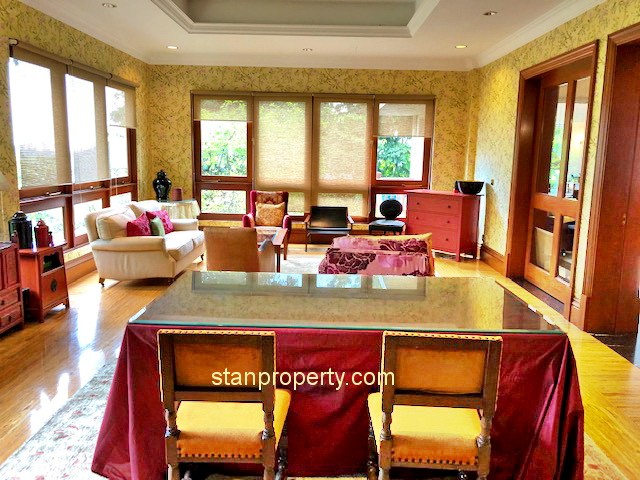
Partial FurnishFurnished |
FreeholdTenure |
UnknownTotal Units |
ResidentialTitle Type |
| Premium Property | Luxury Home | Standard Home | Affordable Home | |
|---|---|---|---|---|
| Type | Unknown | Unknown | Unknown | Unknown |
| Selling Price | RM 0 | RM 0 | RM 0 | RM 0 |
| Renting Price | RM 0 | RM 0 | RM 0 | RM 0 |
| Units | 0 | 0 | 0 | 0 |
| Land Size | Unknown | Unknown | Unknown | Unknown |
| Built up | Unknown | Unknown | Unknown | Unknown |
| Car Park Bay | Unknown | Unknown | Unknown | Unknown |
Property Features
| Strategic Location | Yes |
|---|---|
| Mature Community | Yes |
| Existing | Yes |
| Private Pool | Yes |
| Gated & Guaraded | Yes |
| 24 Hours Security | Yes |
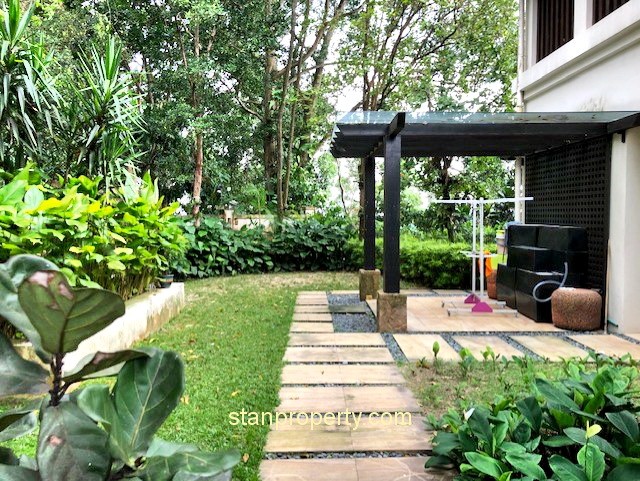
| Private Garden | Yes |
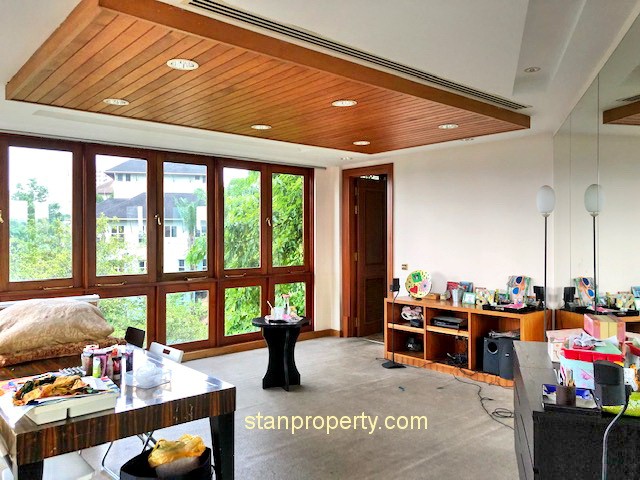
| Renovated | Yes |
| Air Conditioning | Yes |
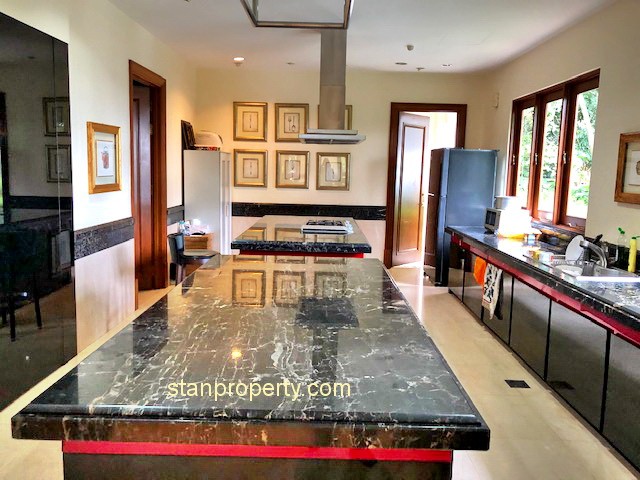
| Cooker Hob/Hood | Yes |
| Oven/Microwave | Yes |
| City View | Yes |
| Washing Machine | Yes |
| Moving in Condition | Yes |
| Bathtub | Yes |
| Fridge | Yes |
| Maid Room | Yes |
| Amenities More Than 1KM | Yes |
| LRT/MRT Station | Yes |
Introduction: The Intersection of Heritage and Urban Development Bangsar has long been recognised as one of Kuala Lumpur’s most desirable residential districts. Its charm derives not from high-density towers, but from low-rise landed homes, mature greenery, and the presence of heritage bungalows. Yet this very charm has attracted development pressures that challenge the character and fabric of the neighbourhood. Understanding Bangsar requires looking beyond market trends to consider community dynamics, planning policies, and the enduring influence of heritage homes. This article explores the relationship between Bangsar’s community, its planning framework, and the pressures exerted on landed properties, particularly bungalows. By analysing urban evolution, social cohesion, and planning decisions, we see why heritage bungalows remain critical to both neighbourhood identity and sustainable urban design. ________________________________________ Historical Context: Bangsar’s Low-Density Foundations Bangsar’s residential history was shaped by deliberate low-density planning. Early subdivisions were plotted with wide streets, generous setbacks, and mature vegetation. The bungalow was the dominant housing type, designed for privacy, comfort, and long-term occupancy. This planning ethos created an environment distinct from the city’s high-density cores. Streets were quieter, pedestrian movement was safe, and community interaction was possible without formal social programming. Houses had sufficient land to buffer neighbours, and gardens contributed to the microclimate, cooling streets naturally. The community that grew around these bungalows internalised these spatial patterns. Children played across yards, neighbours exchanged daily greetings, and life unfolded at a human scale. Bungalows were not simply structures; they were frameworks for social continuity. ________________________________________ The Pressure of Urban Growth As Kuala Lumpur expanded, Bangsar became strategically central. Land values escalated, and development pressures intensified. Larger plots became targets for subdivision or redevelopment. Zoning regulations allowed for denser residential forms, prompting tension between preserving heritage and maximising economic potential. This tension manifests in multiple ways: 1. Redevelopment Threats: Older homes are replaced by high-rise or terrace developments. 2. Loss of Identity: Streetscapes lose consistency when original bungalows are demolished. 3. Community Displacement: Long-term residents face pressures from rising property values and changing neighbourhood norms. The impact is uneven. Some enclaves retain their original charm, while others see gradual erosion of character. The bungalow, as the original building type, becomes a symbolic and practical reference point for assessing these changes. Observational resources such as a stanproperty bungalow listing illustrate how selective pressure affects occupancy patterns, showing which properties maintain traditional layouts and which have been altered or replaced. ________________________________________ Community Perspectives on Change Community sentiment in Bangsar highlights a tension between adaptation and preservation. Long-term residents value privacy, greenery, and quiet streets. Newer residents may prioritise convenience, aesthetics, or investment potential. Balancing these interests is central to sustainable urban planning. Heritage bungalows act as cultural anchors. They preserve neighbourhood memory and continuity. Residents recognise that demolishing or altering these structures not only changes the physical environment but also disrupts informal social networks. The house itself becomes part of the community narrative. Urban studies demonstrate that the presence of intact bungalow cores correlates with social cohesion. Where heritage homes are preserved or sensitively adapted, community engagement remains higher, trust is reinforced, and residents are more invested in local decision-making. ________________________________________ Planning Frameworks and Regulatory Context Bangsar’s planning environment is complex, combining zoning, building codes, and historical overlays. While regulations allow redevelopment, they also provide tools for heritage preservation. Setback requirements, building height limits, and conservation guidelines can protect the visual and functional integrity of bungalow enclaves. Successful planning integrates heritage considerations into broader development strategies. Planners must balance density, connectivity, and economic potential with environmental sustainability, aesthetic coherence, and social stability. In practice, areas with strong enforcement of heritage-sensitive planning have experienced slower, more measured evolution. The bungalow remains central in defining what is acceptable in terms of scale, materials, and spatial relationships. Observers often consult tools like a stanproperty bungalow listing to gauge which properties comply with heritage-sensitive planning versus those fully modernised. ________________________________________ Redevelopment Strategies: Mitigation and Integration Not all redevelopment is negative. Thoughtful strategies exist to integrate new structures while respecting the historical context. Approaches include: 1. Adaptive Reuse: Converting bungalows into offices, cultural venues, or community facilities while preserving their core architecture. 2. Infill Development: Introducing small-scale housing on subdivided plots without disrupting existing massing. 3. Contextual Design: Using setbacks, materials, and rooflines that harmonise with neighbouring heritage properties. These strategies maintain continuity in both streetscape and social life, mitigating negative effects of urban pressure. Resources like a stanproperty bungalow listing provide insights into which properties have successfully navigated these strategies and which have been lost to insensitive redevelopment. ________________________________________ Socio-Economic Implications The value of heritage bungalows is not purely sentimental. They offer measurable socio-economic benefits: • Stability in Property Markets: Retained bungalow enclaves prevent volatility caused by rapid redevelopment. • Community Identity: Homes act as landmarks, contributing to perceived neighbourhood value. • Sustainable Urban Form: Low-density, green-buffered areas improve microclimate and environmental quality. Recognising these benefits helps justify preservation efforts, even amid economic pressures. Without deliberate planning, the social and environmental advantages embedded in bungalow neighbourhoods risk being replaced by short-term financial gains. ________________________________________ The Future of Bangsar’s Bungalows Looking ahead, heritage bungalows will continue to influence Bangsar’s development. They act as: • Urban Reference Points: Informing scale, setback, and material choices in new developments. • Cultural Anchors: Maintaining community memory and identity. • Adaptable Assets: Providing opportunities for creative reuse that benefit both residents and the wider neighbourhood. Integrating these homes into the future urban fabric requires both sensitivity and innovation. Planners, architects, and residents must collaborate to ensure that progress does not erase the very features that give Bangsar its distinctive character. ________________________________________ Conclusion: Balancing Preservation and Growth Bangsar’s landed homes, particularly bungalows, occupy a unique position at the intersection of heritage, community, and urban growth. They are simultaneously markers of the past and frameworks for future development. The neighbourhood’s continued livability and identity depend on recognizing the value of these structures—not simply as assets, but as essential components of social, cultural, and spatial continuity. Heritage bungalows are a lens through which we understand the consequences of planning decisions, community engagement, and urban pressures. Observations using tools like a stanproperty bungalow listing confirm that properties retaining original integrity continue to anchor neighbourhoods, while those altered without care risk eroding community cohesion. Ultimately, Bangsar demonstrates that the delicate balance between preservation and growth is achievable when heritage, design intelligence, and community needs are treated as equally important in shaping the city’s residential evolution.


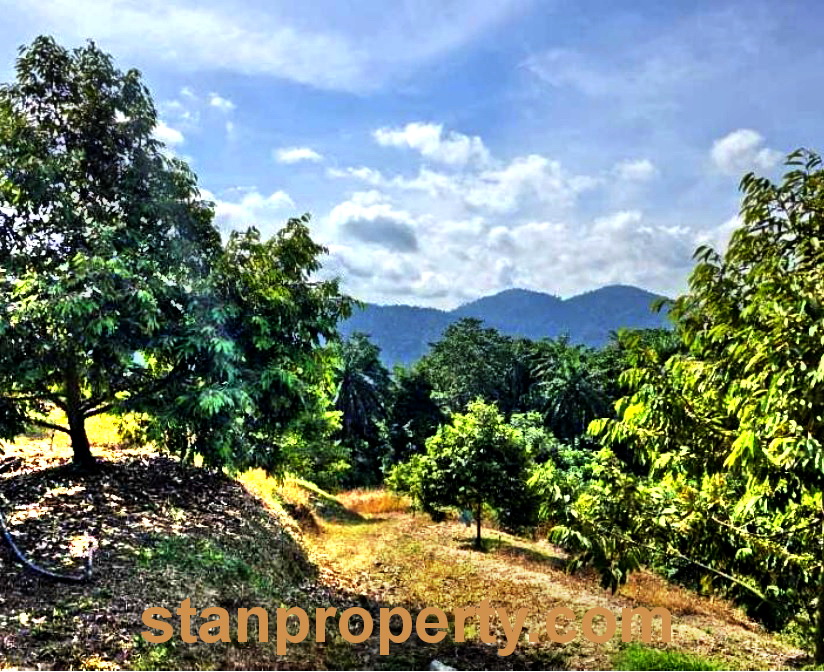
Anyara Hills Durian Orchard offers a rare freehold opportunity in Seme..
| Others | Others | 31 | RM 360,000 |
| Bed | Bath | View | 130,680 sfRinggit Malaysia |
|---|---|---|---|
| stanprop 167 hours | |||
Discover resort-style living private durian orchard at Anyara Hills, S..
| Others | Others | 34 | RM 1,080,000 |
| Bed | Bath | View | 130,680 sfRinggit Malaysia |
|---|---|---|---|
| stanprop 168 hours | |||
Freehold durian orchard at Anyara Hills, Semenyih, featuring gentle sl..
| Others | Others | 37 | RM 360,000 |
| Bed | Bath | View | 130,680 sfRinggit Malaysia |
|---|---|---|---|
| stanprop 168 hours | |||
Corner Shop Medan Niaga Tasik Damai in Sungai Besi is set within a bu..
| Others | Others | 911 | RM 9,500,000 |
| Bed | Bath | View | 3,300 sfRinggit Malaysia |
|---|---|---|---|
| stanprop 782 hours | |||
Desa ParkCity End Lot, South Lake – 3-Storey End Lot with Extra Land..
| 6 | 6 | 887 | RM 5,880,000 |
| Bed | Bath | View | 4,100 sfRinggit Malaysia |
|---|---|---|---|
| stanprop 1111 hours | |||
Desa ParkCity 3-Storey Terrace at South Lake, Rare freehold with appro..
| 5 | 5 | 117 | RM 4,000,000 |
| Bed | Bath | View | 2,200 sfRinggit Malaysia |
|---|---|---|---|
| stanprop 1144 hours | |||
Desa ParkCity South Lake. 3-Storey End Lot with Extra Land, Rare freeh..
| 6 | 6 | 540 | RM 5,880,000 |
| Bed | Bath | View | 4,100 sfRinggit Malaysia |
|---|---|---|---|
| stanprop 1145 hours | |||
Seremban Pajam land, 4.4 acres of freehold flat agricultural land with..
| Others | Others | 117 | RM 2,150,000 |
| Bed | Bath | View | 191,664 sfRinggit Malaysia |
|---|---|---|---|
| stanprop 1361 hours | |||
Sungai Long residential land for sale next to Taman Mutiara 3. 50,000 ..
| Others | Others | 124 | RM 3,450,000 |
| Bed | Bath | View | 50,000 sfRinggit Malaysia |
|---|---|---|---|
| stanprop 1362 hours | |||
Cheras Land, Taman Cheras Intan. Strategically located in Taman Cheras..
| Others | Others | 117 | RM 6,300,000 |
| Bed | Bath | View | 18,000 sfRinggit Malaysia |
|---|---|---|---|
| stanprop 1362 hours | |||
Plaza Damas Commercial Shop for Sale – Exceptional opportunity to ac..
| Others | Others | 132 | RM 3,100,000 |
| Bed | Bath | View | 1,518 sfRinggit Malaysia |
|---|---|---|---|
| stanprop 1718 hours | |||
Plaza Damas Shop for Sale – Rare opportunity to own a freehold 1.5-s..
| Others | Others | 174 | RM 2,150,000 |
| Bed | Bath | View | 1,250 sfRinggit Malaysia |
|---|---|---|---|
| stanprop 1732 hours | |||
SS2 Prime Corner Shop for Sale in the heart of Petaling Jaya\\\'s bust..
| Others | Others | 1180 | RM 16,500,000 |
| Bed | Bath | View | 9,900 sfRinggit Malaysia |
|---|---|---|---|
| stanprop 1794 hours | |||
Sentul Point Shop for Sale – Tenanted Investment Property An excell..
| Others | Others | 184 | RM 2,200,000 |
| Bed | Bath | View | 1,356 sfRinggit Malaysia |
|---|---|---|---|
| stanprop 1850 hours | |||
An exceptional opportunity to acquire one of SS2\'s most prestigious ..
| Others | Others | 3082 | RM 16,500,000 |
| Bed | Bath | View | 8,820 sfRinggit Malaysia |
|---|---|---|---|
| stanprop 2056 hours | |||
SS2 Shop sits in one of Petaling Jaya’s most vibrant and crowded hu..
| Others | Others | 951 | RM 16,500,000 |
| Bed | Bath | View | 9,900 sfRinggit Malaysia |
|---|---|---|---|
| stanprop 2080 hours | |||
Positioned in the heart of Sri Petaling\\\'s thriving commercial distr..
| Others | Others | 2997 | RM 17,800,000 |
| Bed | Bath | View | 19,264 sfRinggit Malaysia |
|---|---|---|---|
| stanprop 2091 hours | |||
SS2 Corner Shop for sale sits in one of Petaling Jaya’s most vibran..
| Others | Others | 2820 | RM 16,900,000 |
| Bed | Bath | View | 9,900 sfRinggit Malaysia |
|---|---|---|---|
| stanprop 2124 hours | |||
PJ Plaza For Sale, strategic location in Taman Megah PJ, very suitable..
| >12 | >12 | 178 | RM 47,000,000 |
| Bed | Bath | View | 85,000 sfRinggit Malaysia |
|---|---|---|---|
| stanprop 2244 hours | |||
Building For Sale, strategic location in Taman Megah PJ, very suitable..
| >12 | >12 | 179 | RM 47,000,000 |
| Bed | Bath | View | 85,000 sfRinggit Malaysia |
|---|---|---|---|
| stanprop 2245 hours | |||
ParkHomes ParkCity Damansara is an exclusive collection of 3-storey le..
| 4 | 5 | 2023 | RM 2,400,000 |
| Bed | Bath | View | 3,150 sfRinggit Malaysia |
|---|---|---|---|
| stanprop 2320 hours | |||
New launch condo at Zenia ParkCity Damansara is a contemporary leaseho..
| 3 | 3 | 221 | RM 1,198,000 |
| Bed | Bath | View | 1,691 sfRinggit Malaysia |
|---|---|---|---|
| stanprop 2352 hours | |||
PJ condo Zenia ParkCity Damansara is a contemporary leasehold residenc..
| 3 | 3 | 1242 | RM 1,198,000 |
| Bed | Bath | View | 1,691 sfRinggit Malaysia |
|---|---|---|---|
| stanprop 2352 hours | |||
Zenia Condominium @ ParkCity Damansara is a contemporary leasehold res..
| 3 | 3 | 2571 | RM 1,198,000 |
| Bed | Bath | View | 1,691 sfRinggit Malaysia |
|---|---|---|---|
| stanprop 2352 hours | |||
Tropicana Terrace House at ParkCity Damansara offers an exceptional co..
| 4 | 5 | 247 | RM 2,400,000 |
| Bed | Bath | View | 3,150 sfRinggit Malaysia |
|---|---|---|---|
| stanprop 2353 hours | |||
Parkhomes @ ParkCity Damansara presents an exclusive collection of con..
| 4 | 5 | 1157 | RM 2,400,000 |
| Bed | Bath | View | 3,150 sfRinggit Malaysia |
|---|---|---|---|
| stanprop 2353 hours | |||
Zenia Parkhomes is an exclusive collection of luxury leasehold terrace..
| 4 | 5 | 1239 | RM 2,400,000 |
| Bed | Bath | View | 3,150 sfRinggit Malaysia |
|---|---|---|---|
| stanprop 2353 hours | |||
Strategic commercial land in Petaling Jaya comprising an office and wa..
| Others | Others | 2484 | RM 65,000,000 |
| Bed | Bath | View | 65,600 sfRinggit Malaysia |
|---|---|---|---|
| stanprop 3404 hours | |||
Affordable 3-storey semi-detached home in Dutamas priced at RM2.35 mil..
| 4 | 4 | 190 | RM 2,350,000 |
| Bed | Bath | View | 3,672 sfRinggit Malaysia |
|---|---|---|---|
| stanprop 3459 hours | |||
Prime Petaling Jaya commercial redevelopment property featuring a 3-st..
| Others | Others | 271 | RM 65,000,000 |
| Bed | Bath | View | 65,600 sfRinggit Malaysia |
|---|---|---|---|
| stanprop 3579 hours | |||
Subang Corner Shop for Rent – Prime commercial corner unit in a high..
| Others | Others | 353 | RM 33,000 |
| Bed | Bath | View | 3,300 sfRinggit Malaysia |
|---|---|---|---|
| stanprop 580 hours | |||
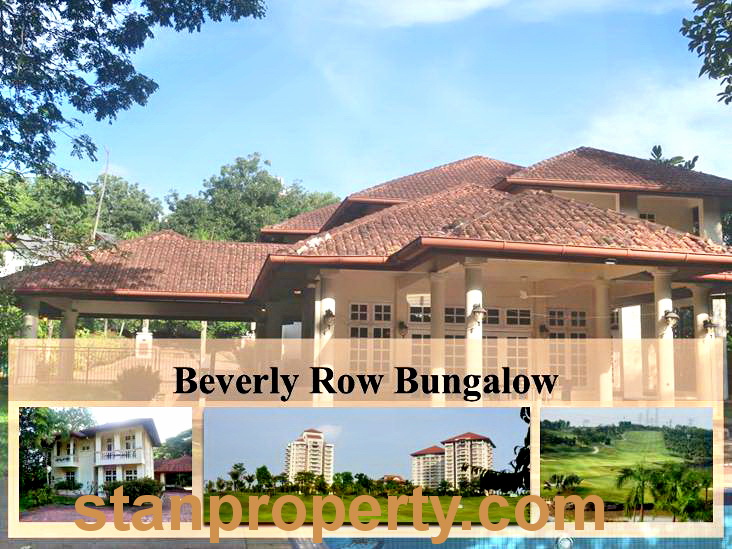
IOI Beverly Row, IOI Resort City Bungalow for Rent, Rarely available l..
| 5 | 5 | 65 | RM 14,000,000 |
| Bed | Bath | View | 6,300 sfRinggit Malaysia |
|---|---|---|---|
| stanprop 592 hours | |||
Prime Ground Floor Commercial Space in the heart of Sri Petaling, idea..
| Others | Others | 926 | RM 39,000 |
| Bed | Bath | View | 7,920 sfRinggit Malaysia |
|---|---|---|---|
| stanprop 712 hours | |||
Subang Jaya Corner Shop – Very Strategic Location Double storey cor..
| Others | Others | 820 | RM 33,000 |
| Bed | Bath | View | 3,300 sfRinggit Malaysia |
|---|---|---|---|
| stanprop 782 hours | |||
Kota Damansara Corner Shop for rent ,Dataran Sunway is located in one ..
| Others | Others | 67 | RM 10,800 |
| Bed | Bath | View | 3,300 sfRinggit Malaysia |
|---|---|---|---|
| stanprop 782 hours | |||
Cheras Land for Rent, Taman Cheras Intan. Strategically located commer..
| Others | Others | 110 | RM 27,000 |
| Bed | Bath | View | 18,000 sfRinggit Malaysia |
|---|---|---|---|
| stanprop 1362 hours | |||
Balakong Office, Located along the prominent Balakong Main Road, this ..
| Others | Others | 245 | RM 28,000 |
| Bed | Bath | View | 20,000 sfRinggit Malaysia |
|---|---|---|---|
| stanprop 2123 hours | |||
Balakong Mezzanine, Located along the highly visible Balakong Main Roa..
| Others | Others | 384 | RM 16,000 |
| Bed | Bath | View | 20,000 sfRinggit Malaysia |
|---|---|---|---|
| stanprop 2123 hours | |||
Balakong Showroom, 10,000 sq ft detached commercial building enjoys di..
| Others | Others | 2511 | RM 68,000 |
| Bed | Bath | View | 10,000 sfRinggit Malaysia |
|---|---|---|---|
| stanprop 2123 hours | |||
Plaza Mayang for Rent, strategic location in Taman Megah PJ, very suit..
| >12 | >12 | 177 | RM 152,000 |
| Bed | Bath | View | 51,000 sfRinggit Malaysia |
|---|---|---|---|
| stanprop 2244 hours | |||
Landmark commercial building in prime Subang, Selangor location featur..
| Others | Others | 353 | RM 65,000,000 |
| Bed | Bath | View | 101,662 sfRinggit Malaysia |
|---|---|---|---|
| stanprop 3469 hours | |||
Set within Centrestage Petaling Jaya, this expansive 5,468 sq ft comme..
| Others | Others | 319 | RM 21,872 |
| Bed | Bath | View | 5,468 sfRinggit Malaysia |
|---|---|---|---|
| stanprop 4116 hours | |||
Positioned within Centrestage Petaling Jaya, this 4,801 sq ft commerci..
| Others | Others | 318 | RM 12,002 |
| Bed | Bath | View | 4,801 sfRinggit Malaysia |
|---|---|---|---|
| stanprop 4117 hours | |||
Tropical eVilla Residence offers a comfortable rental home within a gr..
| 5 | 5 | 402 | RM 5,000 |
| Bed | Bath | View | 3,162 sfRinggit Malaysia |
|---|---|---|---|
| stanprop 4324 hours | |||
A compact retail unit at Centrestage, Petaling Jaya measuring 958 sq f..
| Others | Others | 342 | RM 2,395 |
| Bed | Bath | View | 958 sfRinggit Malaysia |
|---|---|---|---|
| stanprop 4908 hours | |||
Centrestage PJ offers a strategically located retail space with a smal..
| Others | Others | 351 | RM 5,900 |
| Bed | Bath | View | 1,475 sfRinggit Malaysia |
|---|---|---|---|
| stanprop 4908 hours | |||
A spacious ground floor retail unit at Centrestage, Petaling Jaya span..
| Others | Others | 314 | RM 33,582 |
| Bed | Bath | View | 5,597 sfRinggit Malaysia |
|---|---|---|---|
| stanprop 4908 hours | |||
Prime retail lot at Centrestage Petaling Jaya with main road frontage,..
| Others | Others | 376 | RM 8,235 |
| Bed | Bath | View | 1,647 sfRinggit Malaysia |
|---|---|---|---|
| stanprop 4908 hours | |||
A spacious detached bungalow available for rent within the Bukit Jalil..
| >12 | >12 | 626 | RM 40,000 |
| Bed | Bath | View | 12,000 sfRinggit Malaysia |
|---|---|---|---|
| stanprop 5244 hours | |||
PJ Mall Shop, enjoys prominent main road frontage with excellent visi..
| Others | Others | 442 | RM 27,816 |
| Bed | Bath | View | 3,477 sfRinggit Malaysia |
|---|---|---|---|
| stanprop 5650 hours | |||
Bandar Putri Office, features a modern full-height tempered glass fron..
| Others | Others | 565 | RM 12,500 |
| Bed | Bath | View | 3,840 sfRinggit Malaysia |
|---|---|---|---|
| stanprop 5673 hours | |||
Corner Shop Office Kuchai Lama Entrepreneurs Park, is fully renovated ..
| Others | Others | 518 | RM 9,300 |
| Bed | Bath | View | 3,300 sfRinggit Malaysia |
|---|---|---|---|
| stanprop 5673 hours | |||
Kota Damansara Corner Shop is located in one of PJ’s most dynamic an..
| Others | Others | 463 | RM 9,500 |
| Bed | Bath | View | 3,300 sfRinggit Malaysia |
|---|---|---|---|
| stanprop 5690 hours | |||
Corner Shop Kota Damansara is located in one of PJ’s most dynamic an..
| Others | Others | 449 | RM 36,000 |
| Bed | Bath | View | 3,300 sfRinggit Malaysia |
|---|---|---|---|
| stanprop 5690 hours | |||
Corner Shop SS2 sits in one of Petaling Jaya’s most vibrant and crow..
| Others | Others | 483 | RM 16,000 |
| Bed | Bath | View | 3,300 sfRinggit Malaysia |
|---|---|---|---|
| stanprop 5690 hours | |||
PJ Corner Shop is located in a highly vibrant and busy Petaling Jaya h..
| Others | Others | 425 | RM 49,000 |
| Bed | Bath | View | 3,300 sfRinggit Malaysia |
|---|---|---|---|
| stanprop 5690 hours | |||
Corner Shop Medan Niaga Tasik Damai in Sungai Besi is set within a bu..
| Others | Others | 529 | RM 8,000 |
| Bed | Bath | View | 3,300 sfRinggit Malaysia |
|---|---|---|---|
| stanprop 5690 hours | |||
Corner Shop Medan Niaga Tasik Damai in Sungai Besi is set within a bu..
| Others | Others | 788 | RM 26,000 |
| Bed | Bath | View | 3,300 sfRinggit Malaysia |
|---|---|---|---|
| stanprop 5691 hours | |||
Taipan USJ Shop,Ground floor corner lot with main road frontage and ex..
| Others | Others | 650 | RM 22,000 |
| Bed | Bath | View | 3,000 sfRinggit Malaysia |
|---|---|---|---|
| stanprop 5909 hours | |||
Taipan Shop For Rent,Ground floor corner lot with main road frontage a..
| Others | Others | 519 | RM 30,000 |
| Bed | Bath | View | 4,000 sfRinggit Malaysia |
|---|---|---|---|
| stanprop 5910 hours | |||
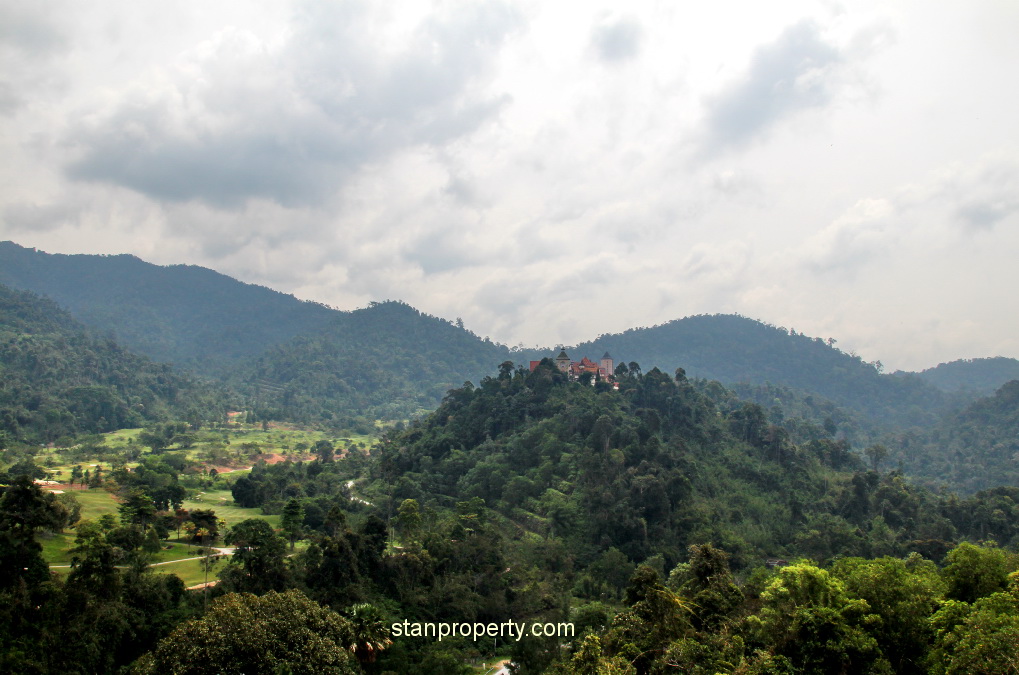
Berjaya Hills Land
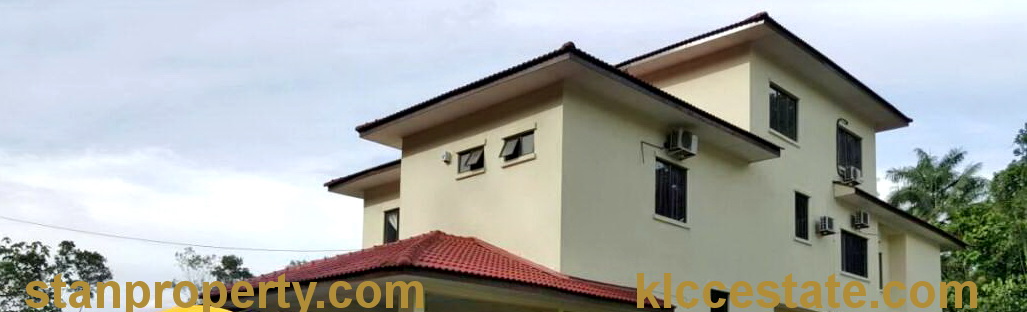
Equine Park Bungalow
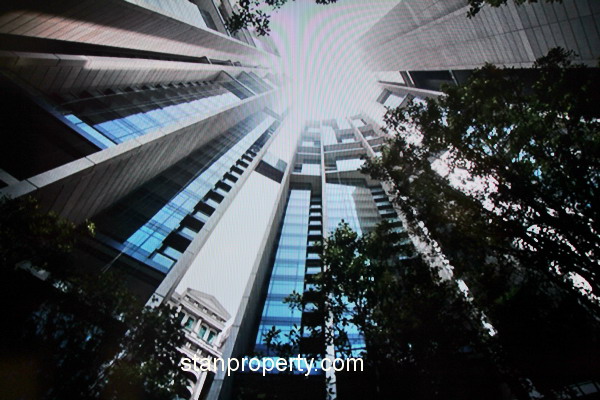
Troika KLCC
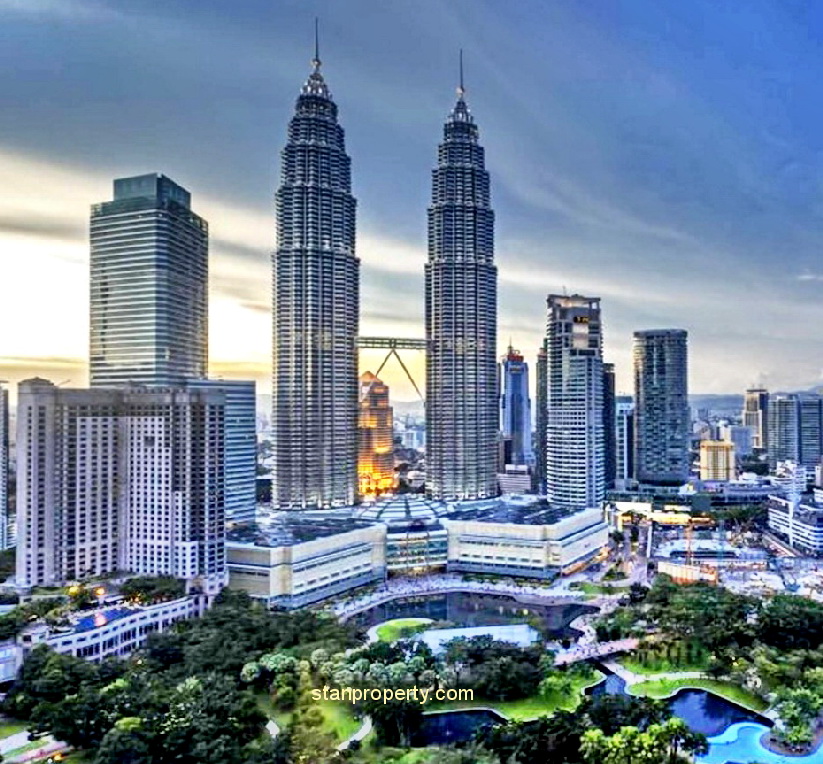
KLCC Luxury Building
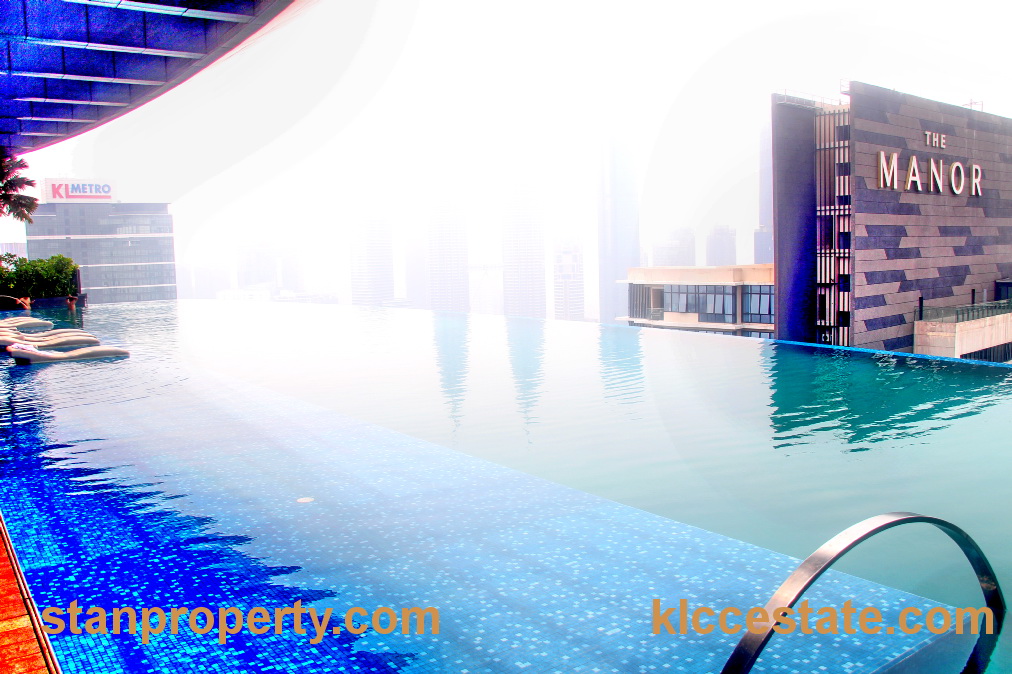
Eaton Residences KLCC
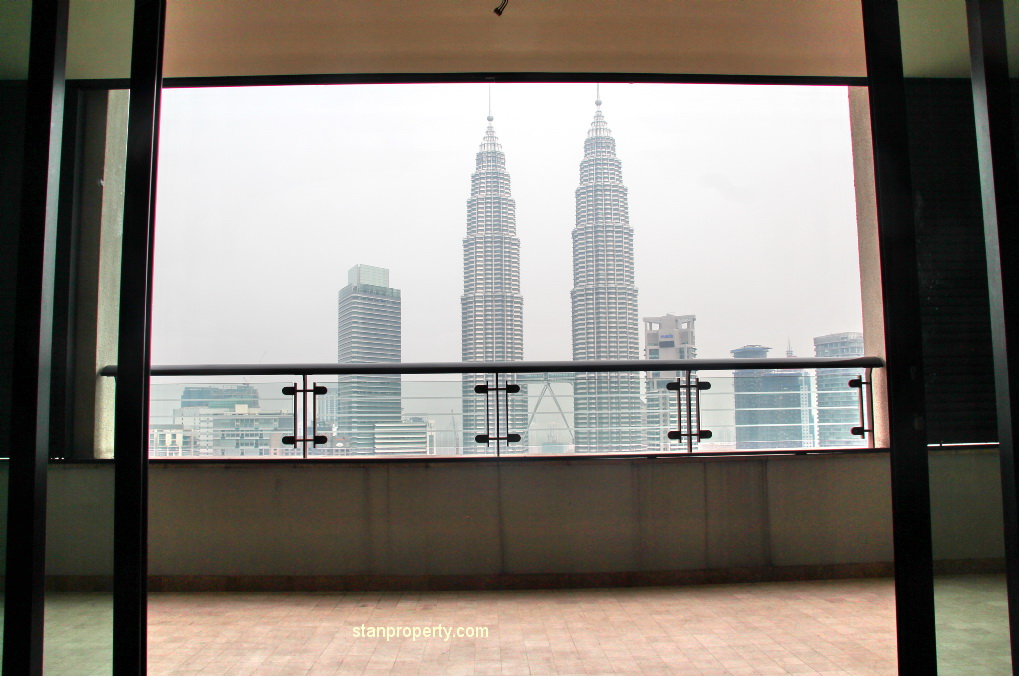
Binjai On The Park Penthouse
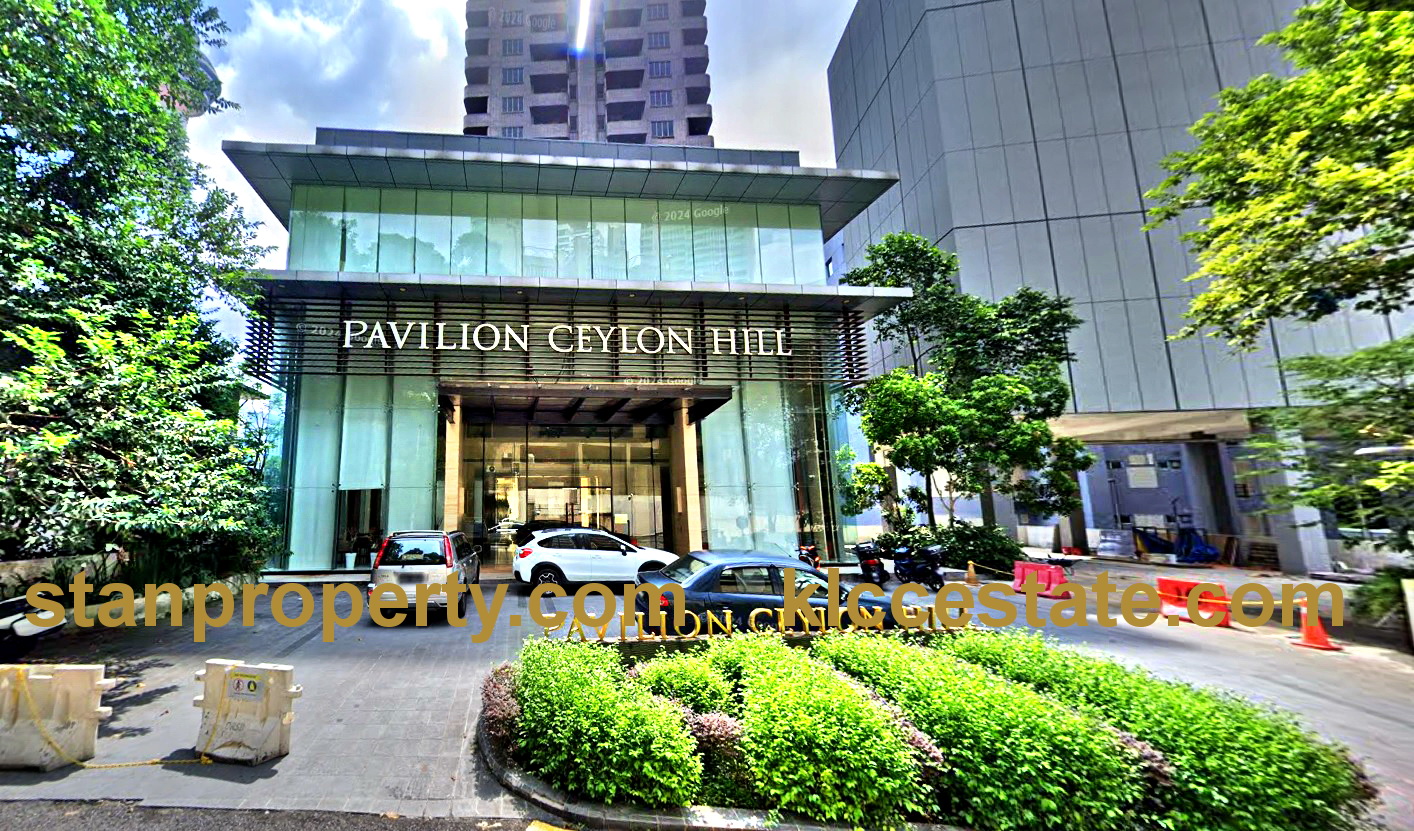
KL Shop
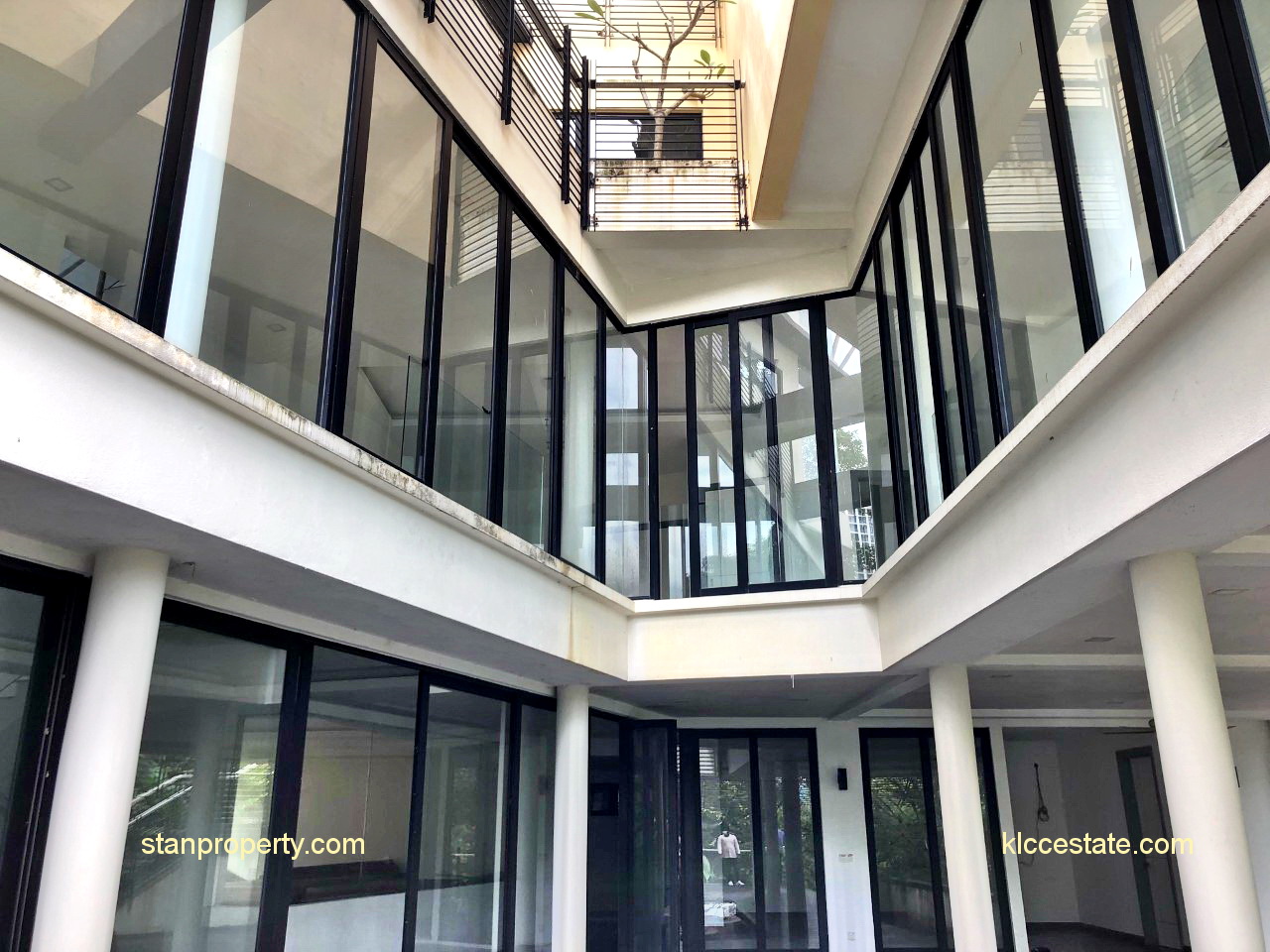
Country Heights Damansara Stunning Luxury Bungalow
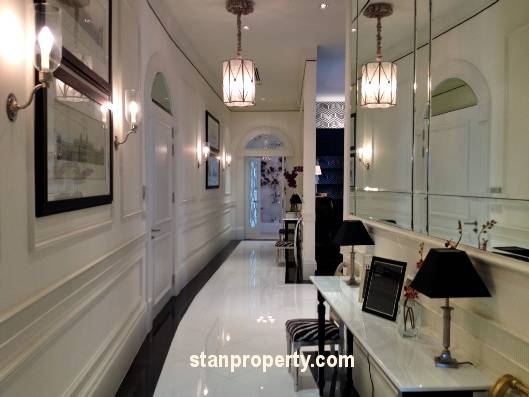
KLCC Penthouse For Sale
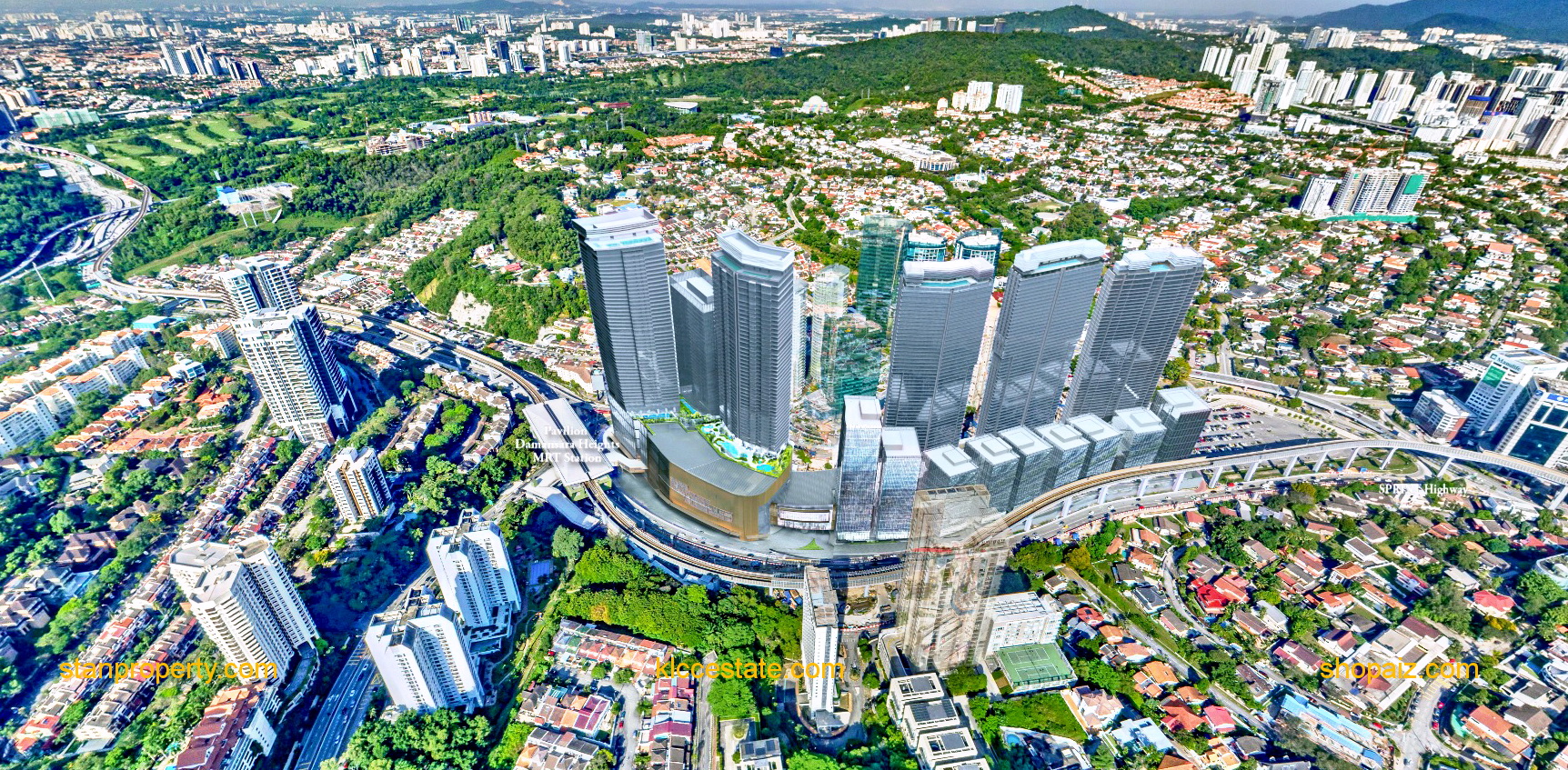
Pavilion Damansara Heights Condo For Sale
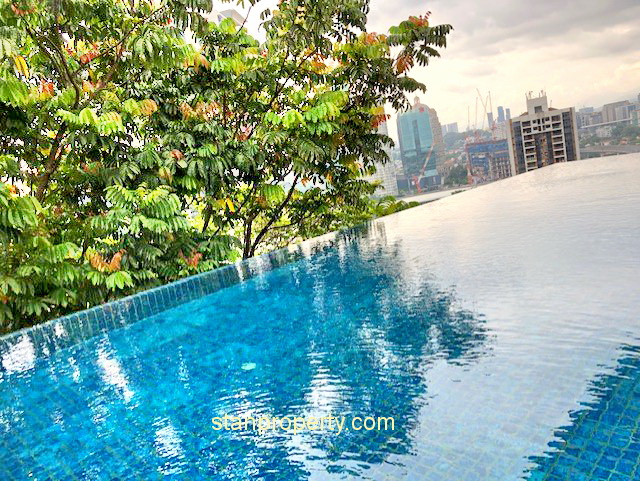
Bangsar Bungalow For Sale
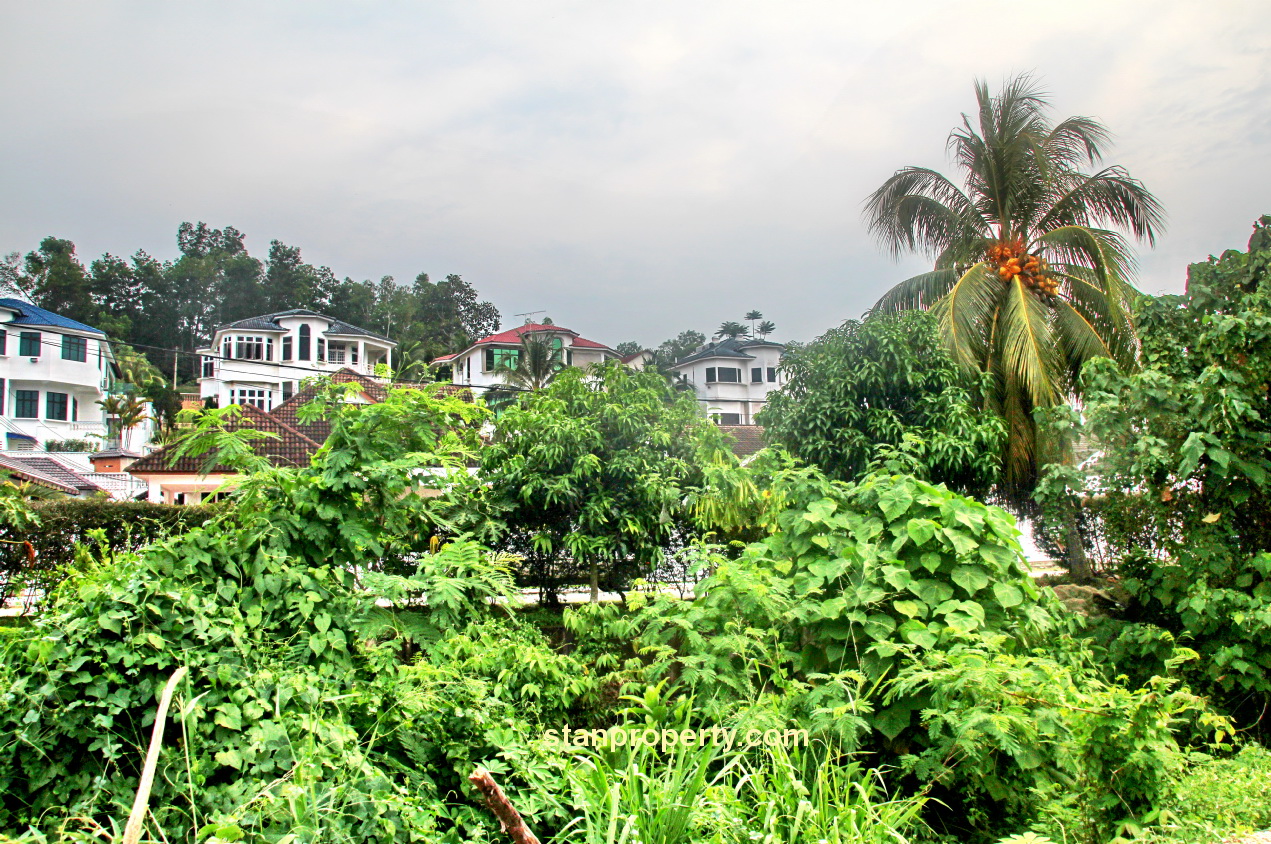
Mentakab Bungalow Land For Sale
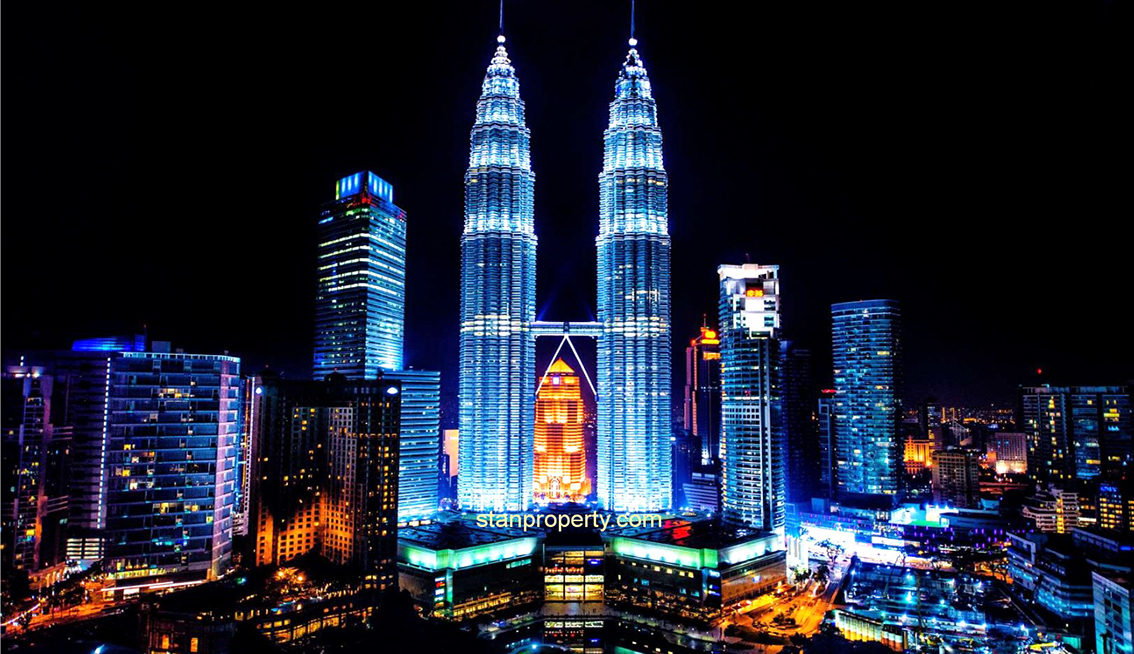
Penthouse
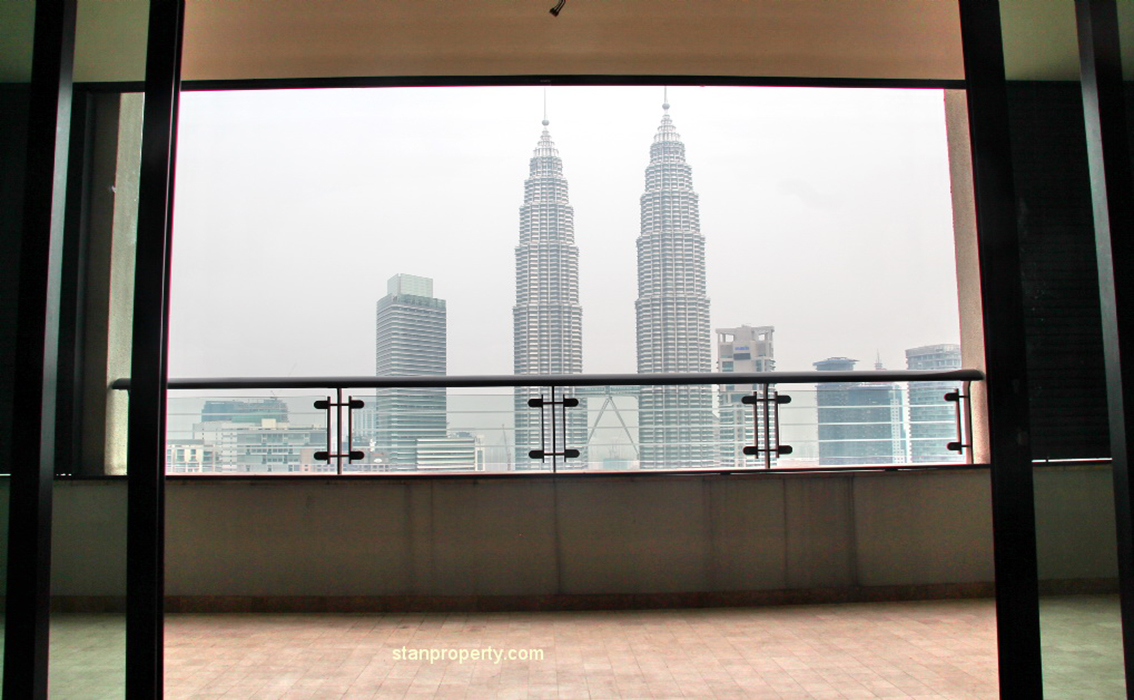
KLCC Penthouse

KLCC Bungalow For Sale















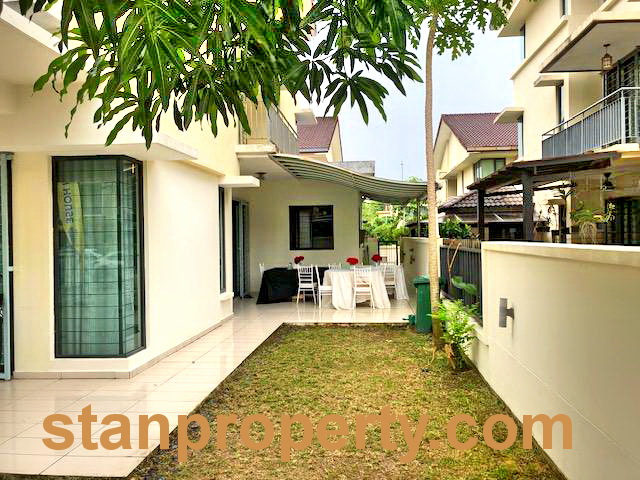
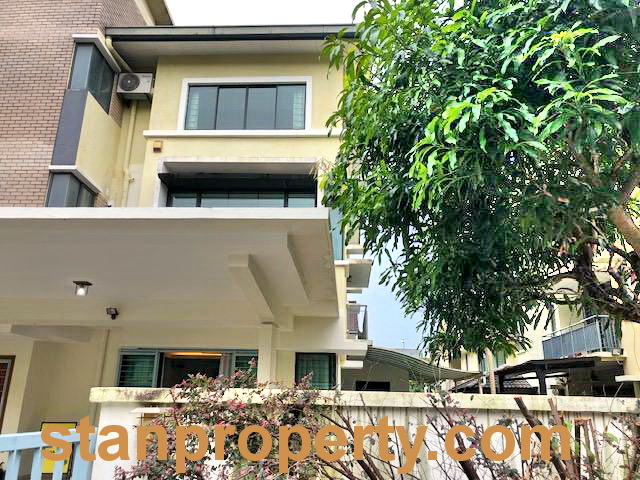
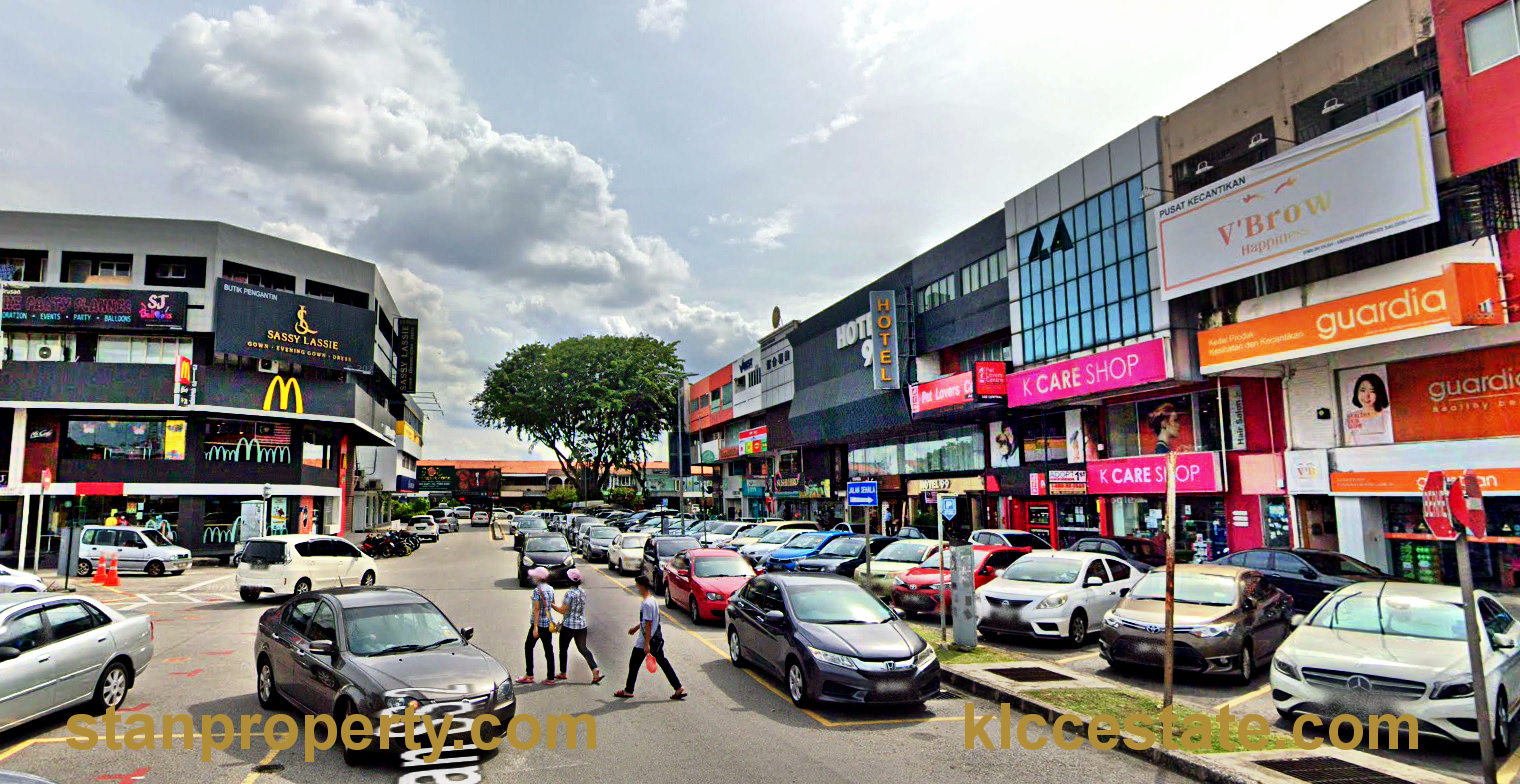
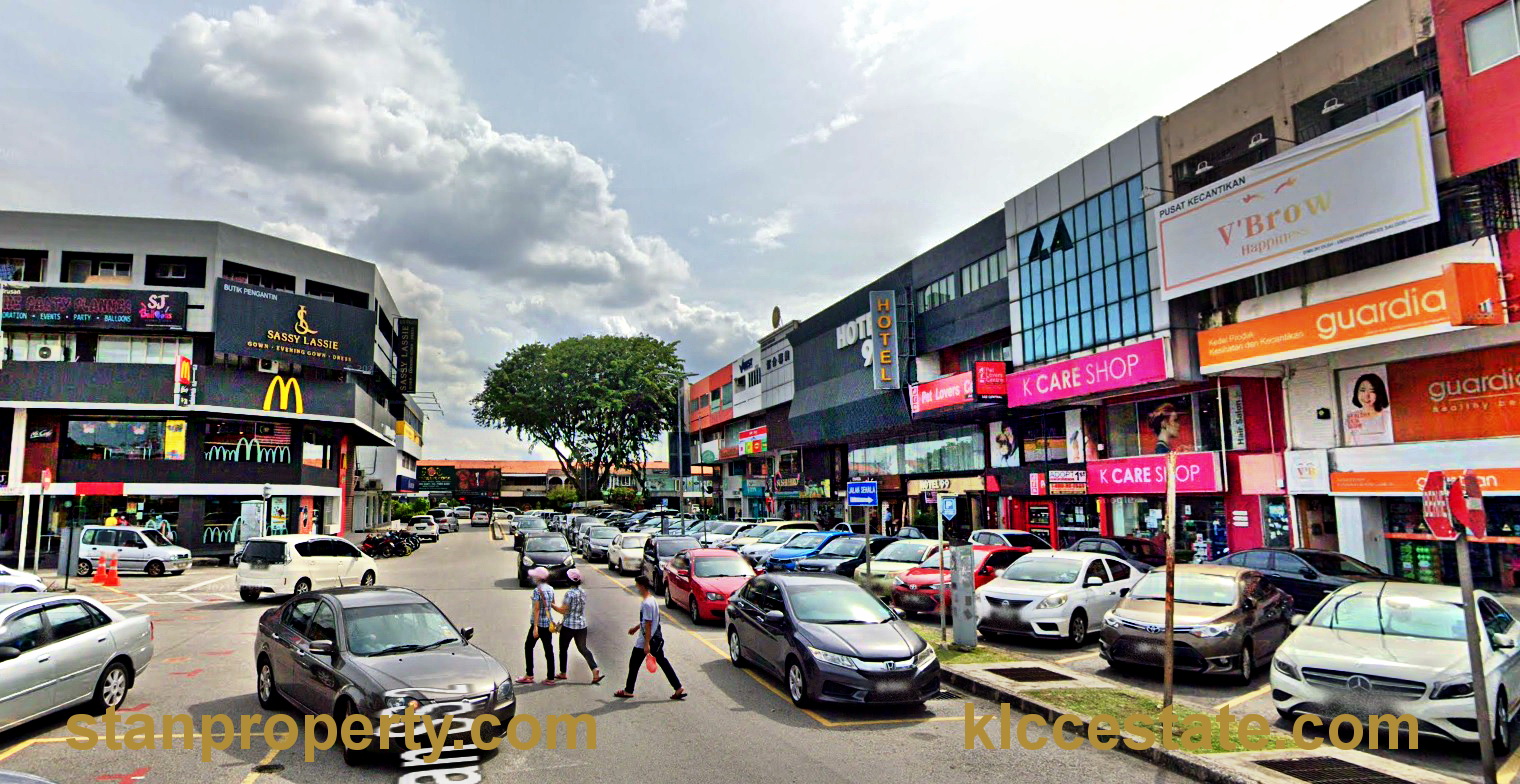
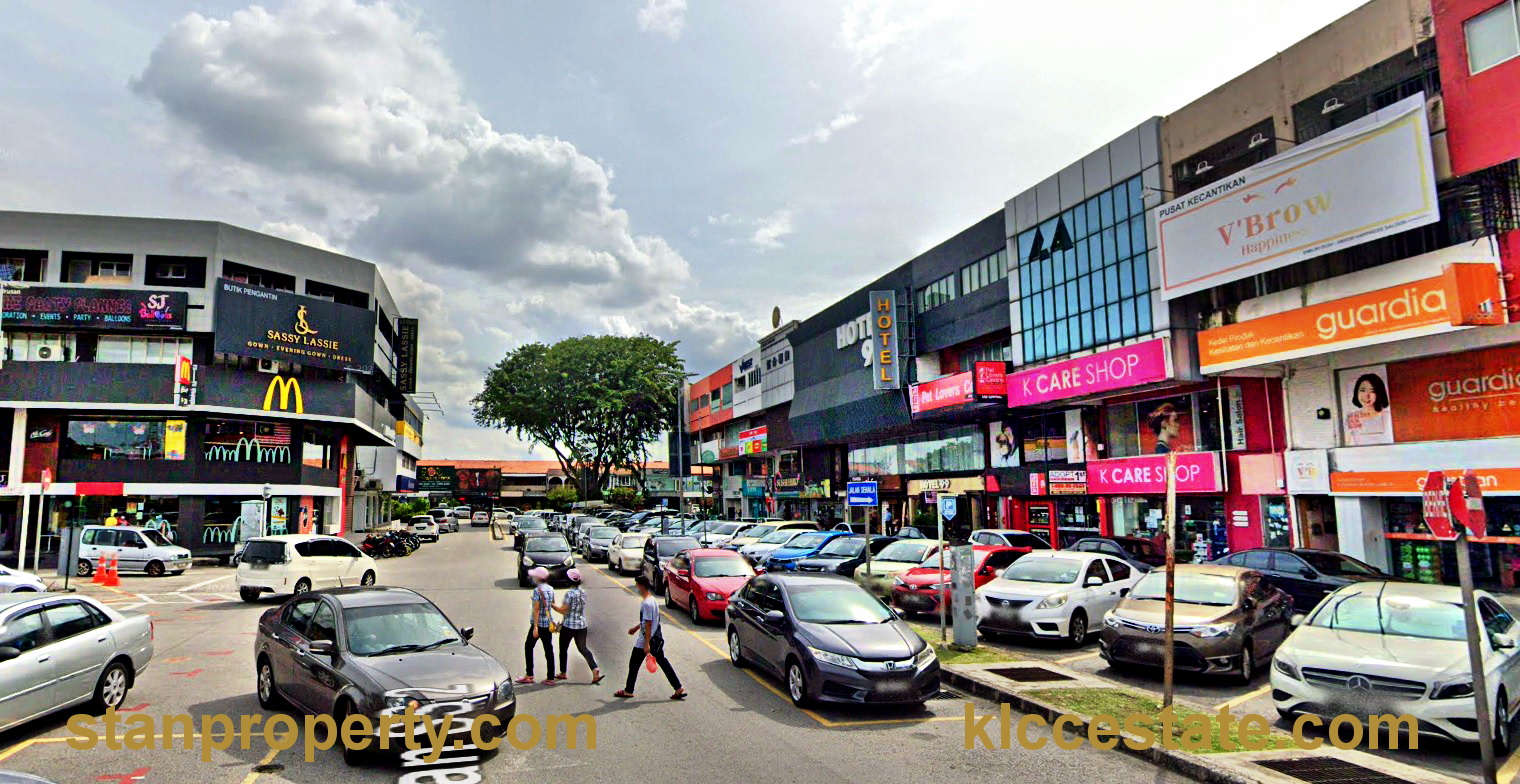
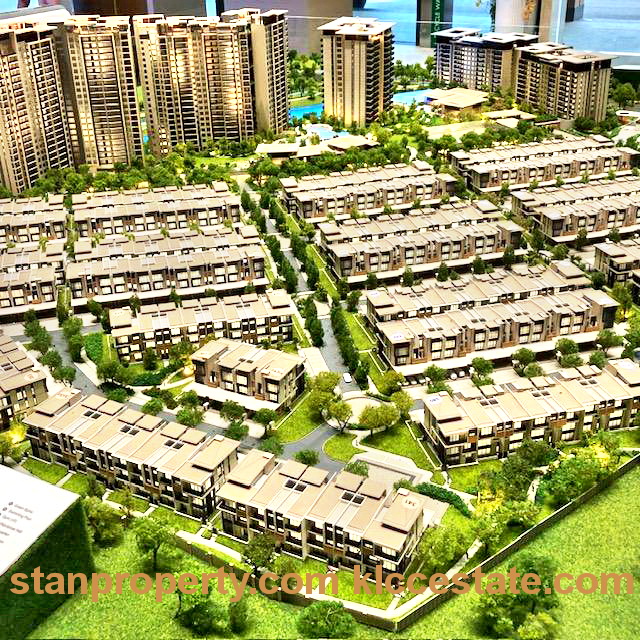
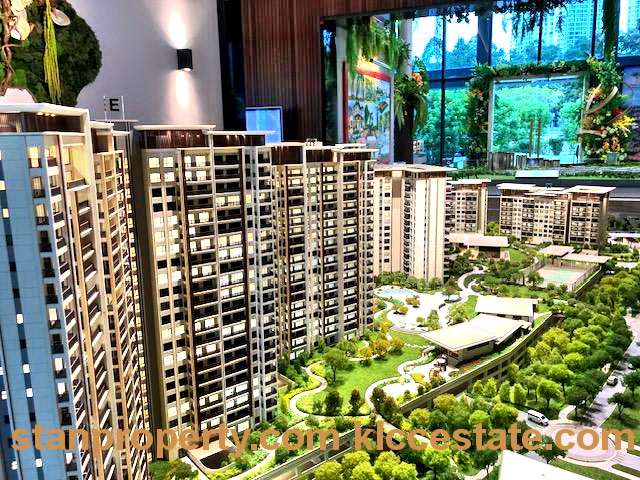

 Photo Gallery
 Video Gallery
 Virtual Tour