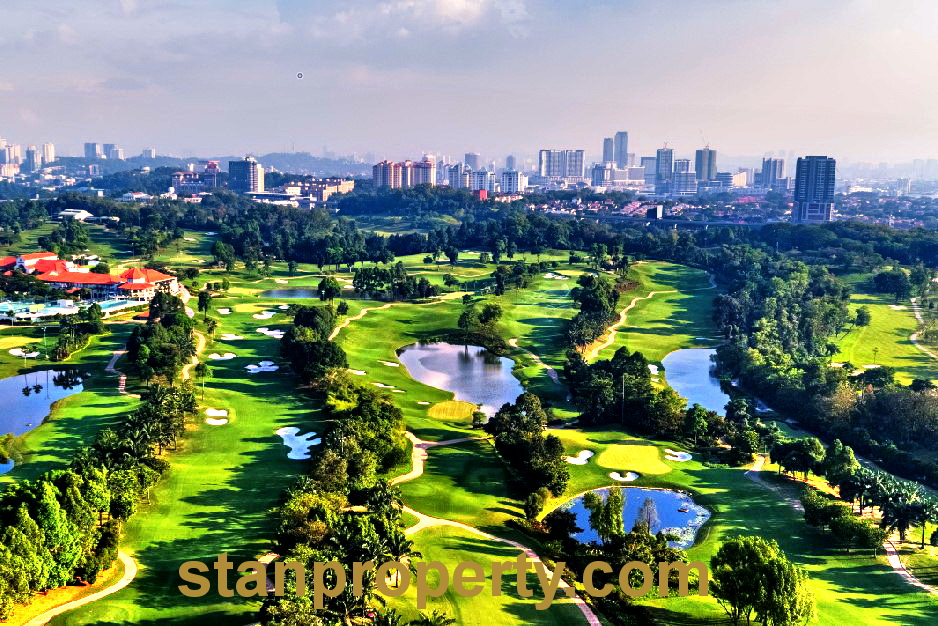
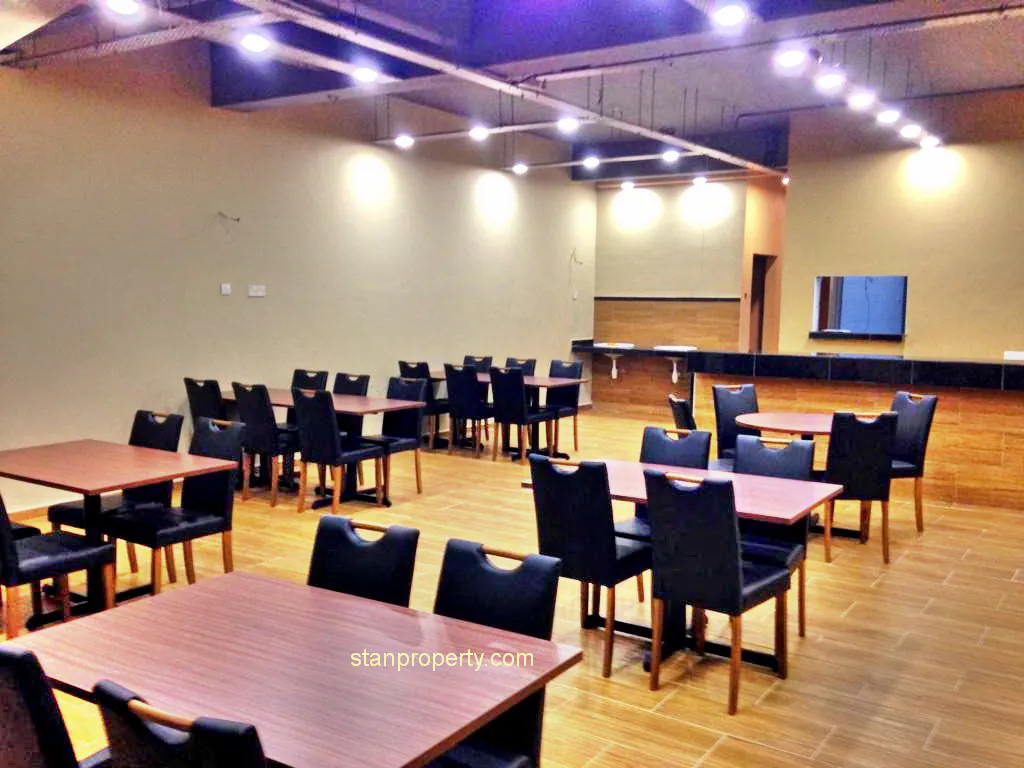
BangalowType |
ExistingStatus |
Partial FurnishFurnished |
FreeholdTenure |
UnknownTotal Units |
ResidentialTitle Type |
| Premium Property | Luxury Home | Standard Home | Affordable Home | |
|---|---|---|---|---|
| Type | Unknown | Unknown | Unknown | Unknown |
| Selling Price | RM 0 | RM 0 | RM 0 | RM 0 |
| Renting Price | RM 0 | RM 0 | RM 0 | RM 0 |
| Units | 0 | 0 | 0 | 0 |
| Land Size | Unknown | Unknown | Unknown | Unknown |
| Built up | Unknown | Unknown | Unknown | Unknown |
| Car Park Bay | Unknown | Unknown | Unknown | Unknown |
Property Features
| Strategic Location | Yes |
|---|---|
| Mature Community | Yes |
| Existing | Yes |
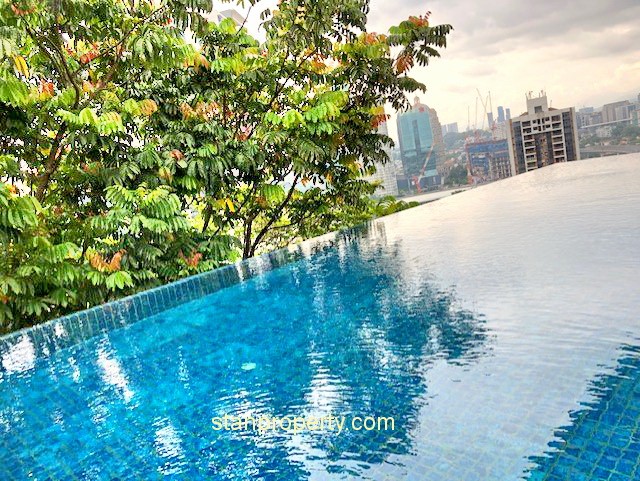
| Private Pool | Yes |
| Gated & Guaraded | Yes |
| 24 Hours Security | Yes |
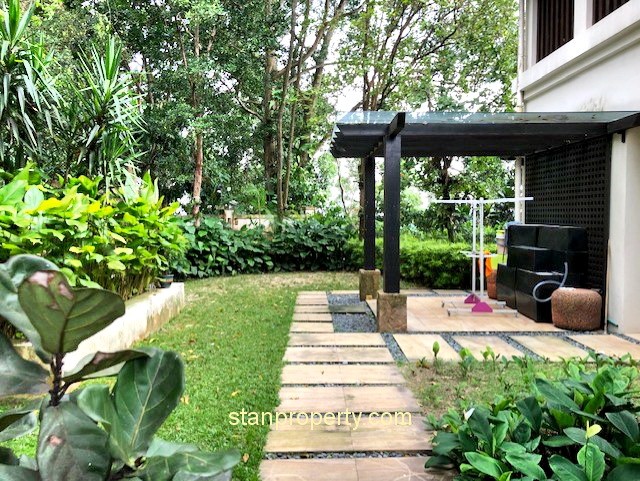
| Private Garden | Yes |
| Renovated | Yes |
| Air Conditioning | Yes |
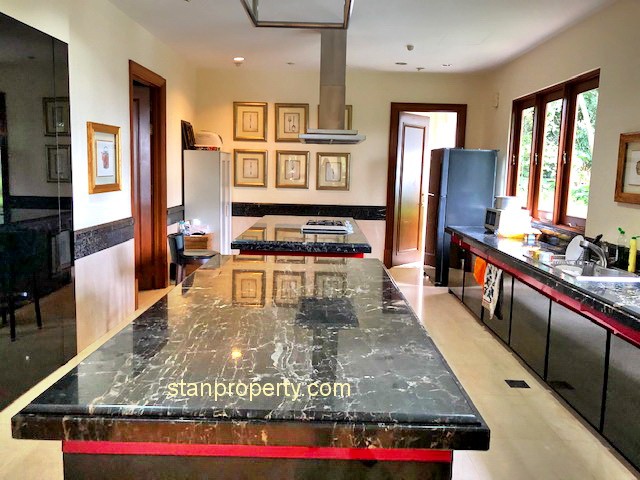
| Cooker Hob/Hood | Yes |
| Oven/Microwave | Yes |
| City View | Yes |
| Washing Machine | Yes |
| Moving in Condition | Yes |
| Bathtub | Yes |
| Fridge | Yes |
| Maid Room | Yes |
| Amenities More Than 1KM | Yes |
| LRT/MRT Station | Yes |
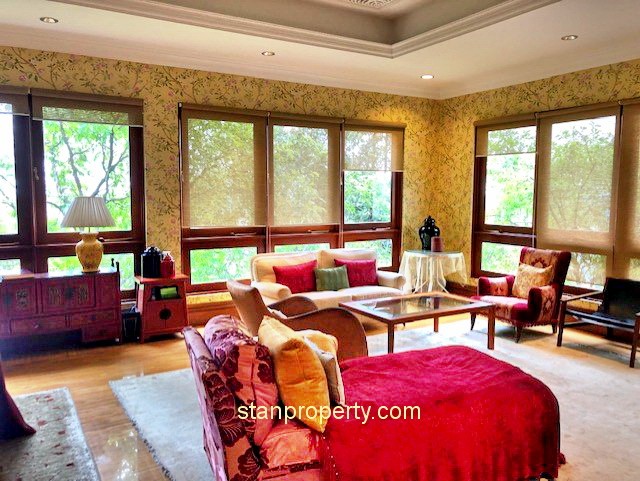
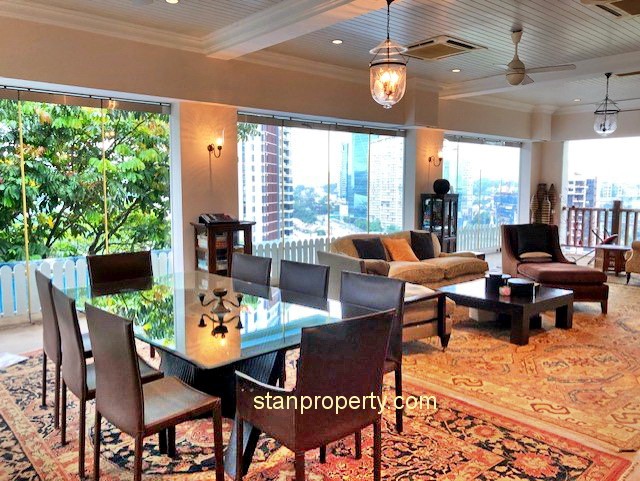
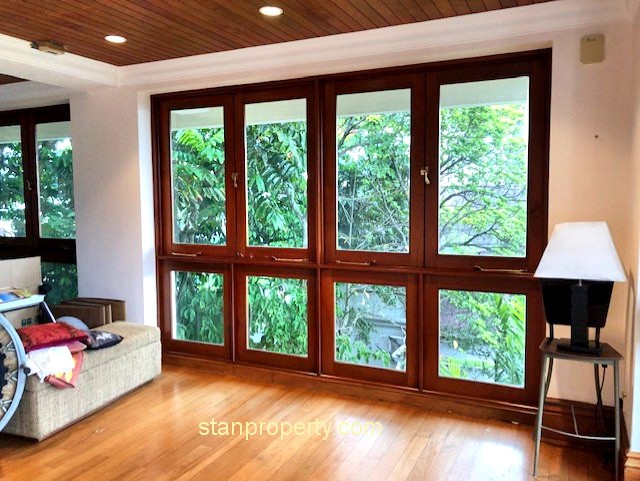
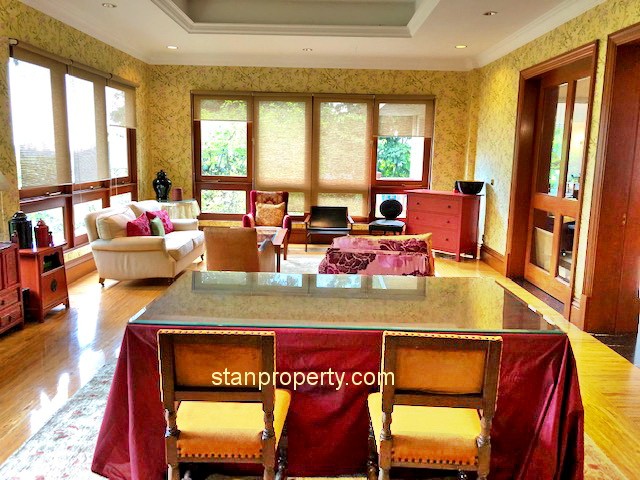
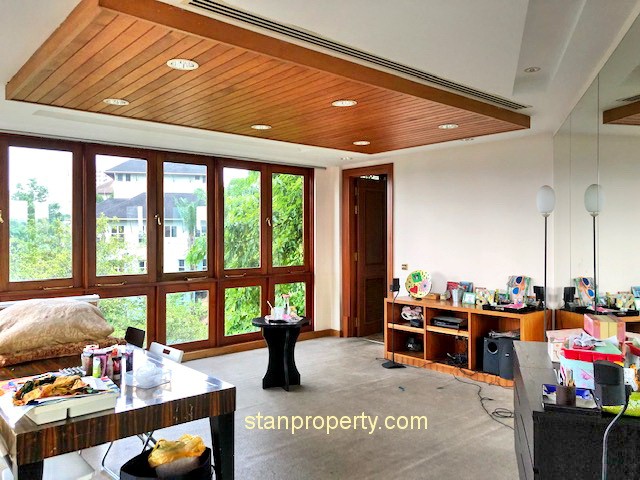
Introduction: Design as a Reflection of Purpose Bungalows in Bangsar are more than heritage markers; they are blueprints for intelligent tropical architecture. They exemplify a philosophy in which climate, spatial organization, and lifestyle converge to create homes that endure, function, and delight. Unlike many modern constructions that prioritise density or immediate market appeal, these houses were conceived with foresight, balancing environmental responsiveness with human comfort. This article examines the architectural intelligence embedded in Bangsar’s bungalows. By analyzing their design principles, environmental strategies, spatial hierarchies, and adaptability, we see how these homes were engineered for longevity and flexibility. We also explore why their design continues to influence contemporary thinking in residential architecture. ________________________________________ Climate-Responsive Design: Passive Comfort Before Technology Bungalows in Bangsar exemplify tropical design principles long before air-conditioning dominated residential planning. High ceilings, large openings, and deep overhangs were deliberate strategies to manage temperature, ventilation, and daylight. Ventilation and Airflow The placement of windows, doors, and shutters was meticulously calculated to facilitate cross-ventilation. Corridors and hallways were often aligned to channel prevailing winds through the house. Courtyards or open spaces created natural pressure gradients, improving airflow. The result was a cooling system that required no mechanical energy, yet maintained comfort throughout the day. Sun Control Roof overhangs and verandas were not decorative. They shielded walls and windows from direct sunlight, reducing heat gain. Shutters and louvres allowed occupants to adjust light intensity while maintaining privacy. Interior layouts placed major living spaces in areas least affected by the sun during peak hours, demonstrating a sophisticated understanding of orientation and microclimate. Rain and Humidity Management Sloping roofs, wide eaves, and raised floors ensured efficient water runoff and protection from flooding. Materials were chosen for durability in humid conditions. Timber was used strategically in areas where moisture levels were moderate, while masonry was applied in structural zones. This attention to climate resilience ensured that the houses aged gracefully, even under heavy tropical rainfall. ________________________________________ Spatial Hierarchies: Function, Flow, and Flexibility Bungalows in Bangsar were not merely shelters; they were structured environments designed to support social norms and domestic routines. Public and Private Separation Homes were organized into zones. Public areas such as living rooms and guest halls were separated from private family spaces. Service areas like kitchens and laundry were either detached or semi-detached, maintaining household functionality without intruding on comfort or aesthetics. Flow and Movement The layout encouraged intuitive movement. Circulation paths linked spaces efficiently without disrupting privacy. Courtyards, verandas, and semi-open areas provided informal transition zones. Even when functions evolved—such as converting a living room into a reception area—these pathways supported new uses without extensive structural changes. Hierarchy of Spaces Interior spaces were hierarchically organized. Central halls often acted as anchor points around which other rooms were oriented. Bedrooms were placed strategically for quiet and ventilation, while service zones were located for efficiency. This hierarchy ensured both comfort and adaptability, enabling the bungalow to respond to changing needs over decades. ________________________________________ Material Intelligence: Durability and Sustainability Materials were selected not for luxury alone, but for performance. Timber, masonry, stone, and clay tiles were combined to optimize durability and thermal performance. Local or regionally sourced materials reduced transportation impact and aligned with environmental conditions. Maintenance was considered in design. Timber elements were accessible for periodic care. Roofs could be repaired without disrupting interior life. Masonry foundations were insulated and ventilated. This material intelligence contributed directly to the longevity of Bangsar bungalows. Patterns observed in contemporary property records, such as a stanproperty bungalow listing, often reflect these original material qualities, which remain a key determinant of both functional and market longevity. ________________________________________ Landscape Integration: Gardens as Living Architecture Bungalows in Bangsar were designed with land, gardens, and greenery as integral architectural elements. Outdoor areas were not mere decoration; they were functional extensions of indoor spaces. Garden as Microclimate Trees and hedges moderated sunlight and wind, enhancing thermal comfort. Lawns and planted areas acted as buffers, providing privacy and noise reduction. The careful selection of tree species supported seasonal shading patterns, demonstrating sophisticated ecological planning. Spatial Expansion Verandas, patios, and courtyards extended living areas beyond walls. These semi-outdoor spaces accommodated social gatherings, play, and household tasks while maintaining a connection to the natural environment. The result was a layered spatial experience where the indoor and outdoor realms were seamlessly connected. Visual Continuity Landscaping also reinforced architectural coherence. The garden framed views, emphasized entrances, and guided movement. It allowed the bungalow to integrate aesthetically into the neighbourhood, contributing to both privacy and visual harmony. ________________________________________ Adaptability: Architectural Resilience in Action One of the most striking aspects of Bangsar bungalows is their ability to adapt. Spaces that were once bedrooms can serve as home offices, study rooms, or communal areas. Living rooms can transition to reception halls. Courtyards can become outdoor lounges or small event spaces. This adaptability is built into the original design. Generous proportions, modular layouts, and flexible circulation allow new uses without major structural intervention. It is why adaptive reuse projects in Bangsar often succeed and retain architectural integrity. Records resembling a stanproperty bungalow listing frequently demonstrate how these homes maintain functionality and appeal across decades, even as urban pressures increase. ________________________________________ Aesthetic Intelligence: Beauty Through Proportion Bungalows in Bangsar achieve visual appeal not through ornamentation alone but through proportion, balance, and coherence. Rooflines, verandas, and window placements are harmonious with building mass. Overhangs, terraces, and staircases reinforce rhythm without excess. This restrained aesthetic allows the bungalow to age gracefully, avoiding the dated appearance that often afflicts highly stylized buildings. The aesthetic intelligence of these houses also contributes to their adaptability. Neutral, legible forms accommodate new functions without visual conflict. They support longevity in both use and appeal, reinforcing their value to the neighbourhood. ________________________________________ Lessons for Contemporary Architecture Bungalows in Bangsar offer enduring lessons: 1. Climate-Responsive Design: Passive systems remain effective and efficient, reducing energy dependence. 2. Spatial Hierarchy: Clear zoning allows homes to evolve without loss of coherence. 3. Material Durability: Strategic material choices support long-term performance. 4. Landscape Integration: Gardens and courtyards are functional, aesthetic, and ecological assets. 5. Adaptability: Flexible layouts reduce obsolescence and allow for reuse. 6. Proportional Aesthetics: Beauty emerges from coherence rather than ornamentation. Modern architects increasingly reference these principles in both residential and small-scale commercial projects, seeking to combine climate intelligence, human scale, and timeless design. ________________________________________ Conclusion: Enduring Architectural Intelligence Bangsar’s bungalows stand as testaments to architectural foresight. They were conceived not merely as houses, but as responsive, flexible, and intelligent systems—homes that harmonize climate, space, material, and human activity. Their resilience and adaptability explain why they remain influential in a changing urban landscape. Even as Bangsar densifies, these bungalows continue to define local identity, guide design principles, and set benchmarks for quality and sustainability. Observations drawn from curated resources such as a stanproperty bungalow listing confirm that these principles are not abstract; they persist in the homes’ usability, desirability, and cultural relevance decades after construction. Bungalows in Bangsar are therefore more than historical artifacts—they are living examples of architectural intelligence, proving that thoughtful design can endure both time and change.
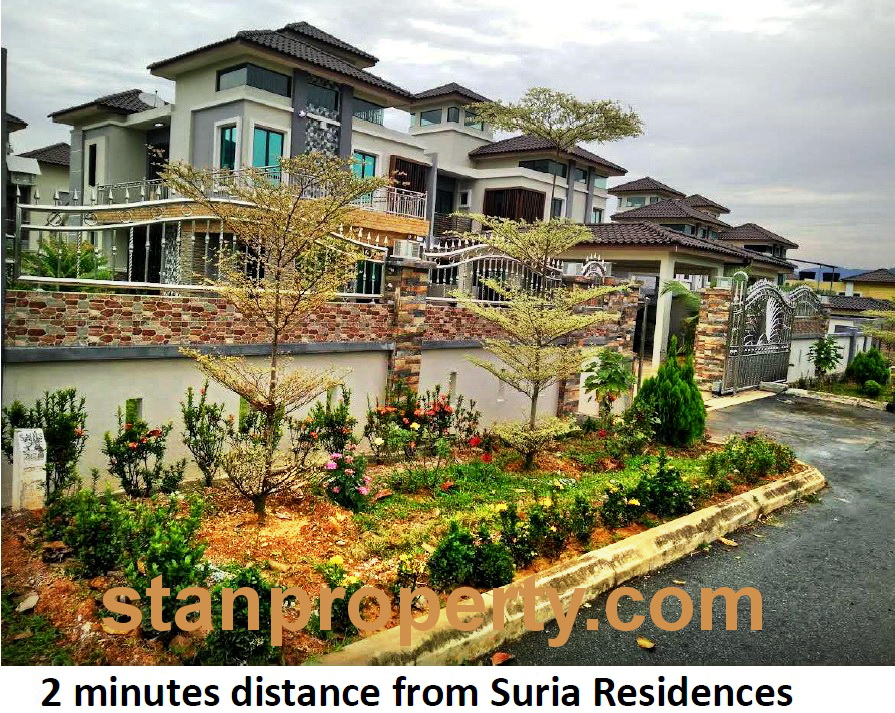
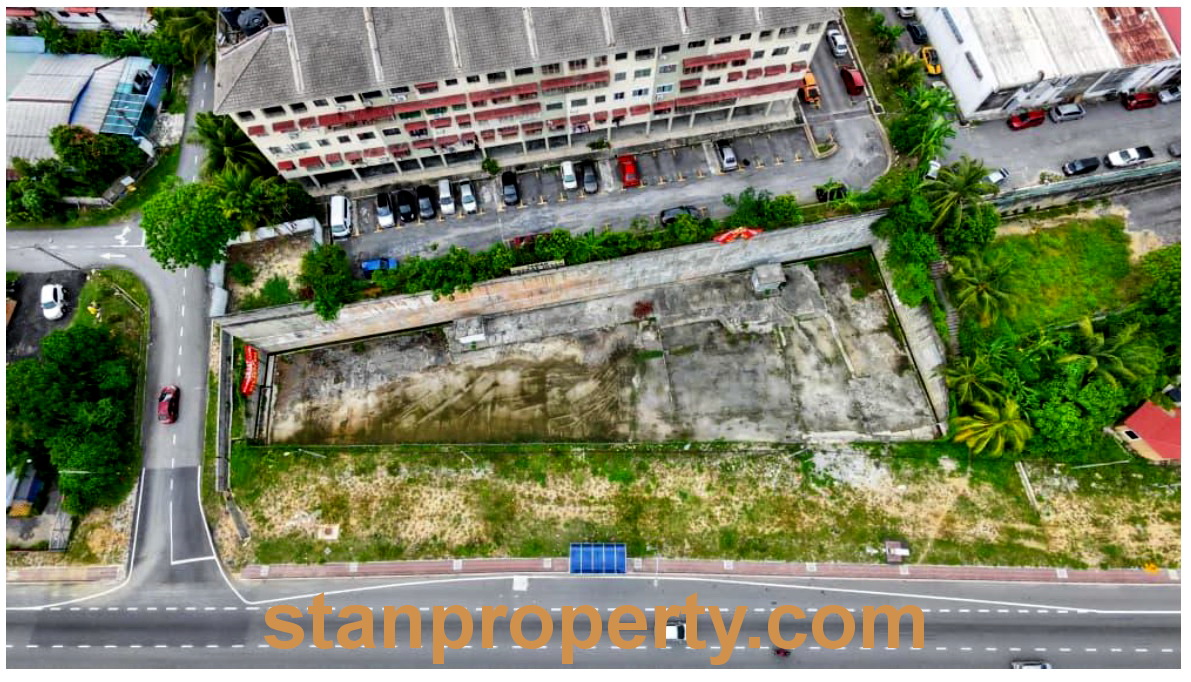
Desa ParkCity End Lot, South Lake – 3-Storey End Lot with Extra Land..
| 6 | 6 | 149 | RM 5,880,000 |
| Bed | Bath | View | 4,100 sfRinggit Malaysia |
|---|---|---|---|
| stanprop 125 hours | |||
Desa ParkCity 3-Storey Terrace at South Lake, Rare freehold with appro..
| 5 | 5 | 47 | RM 4,000,000 |
| Bed | Bath | View | 2,200 sfRinggit Malaysia |
|---|---|---|---|
| stanprop 159 hours | |||
Desa ParkCity South Lake. 3-Storey End Lot with Extra Land, Rare freeh..
| 6 | 6 | 31 | RM 5,880,000 |
| Bed | Bath | View | 4,100 sfRinggit Malaysia |
|---|---|---|---|
| stanprop 159 hours | |||
Seremban Pajam land, 4.4 acres of freehold flat agricultural land with..
| Others | Others | 46 | RM 2,150,000 |
| Bed | Bath | View | 191,664 sfRinggit Malaysia |
|---|---|---|---|
| stanprop 376 hours | |||
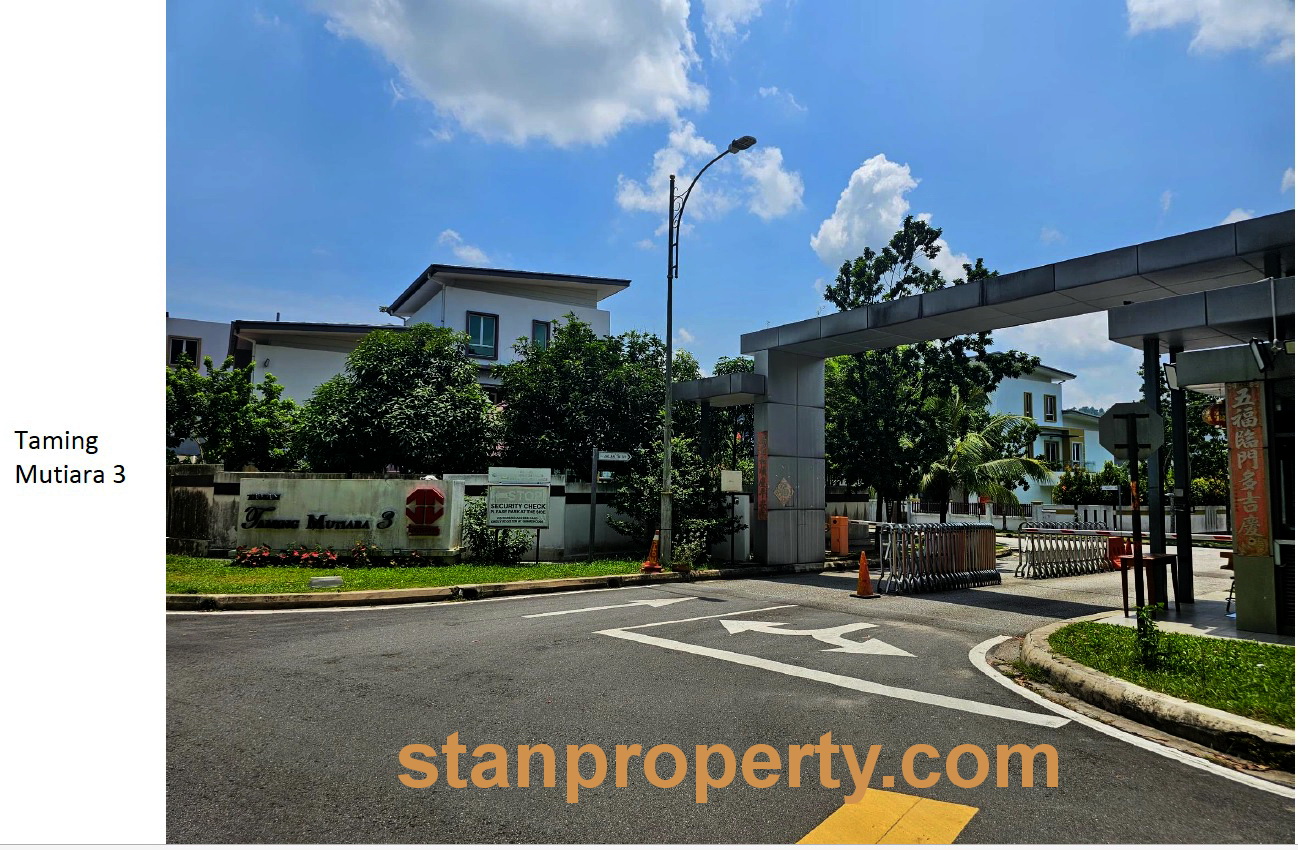
Sungai Long residential land for sale next to Taman Mutiara 3. 50,000 ..
| Others | Others | 51 | RM 3,450,000 |
| Bed | Bath | View | 50,000 sfRinggit Malaysia |
|---|---|---|---|
| stanprop 376 hours | |||
Cheras Land, Taman Cheras Intan. Strategically located in Taman Cheras..
| Others | Others | 43 | RM 6,300,000 |
| Bed | Bath | View | 18,000 sfRinggit Malaysia |
|---|---|---|---|
| stanprop 376 hours | |||
Plaza Damas Commercial Shop for Sale – Exceptional opportunity to ac..
| Others | Others | 70 | RM 3,100,000 |
| Bed | Bath | View | 1,518 sfRinggit Malaysia |
|---|---|---|---|
| stanprop 732 hours | |||
Plaza Damas Shop for Sale – Rare opportunity to own a freehold 1.5-s..
| Others | Others | 95 | RM 2,150,000 |
| Bed | Bath | View | 1,250 sfRinggit Malaysia |
|---|---|---|---|
| stanprop 746 hours | |||
SS2 Prime Corner Shop for Sale in the heart of Petaling Jaya\\\'s bust..
| Others | Others | 612 | RM 16,500,000 |
| Bed | Bath | View | 9,900 sfRinggit Malaysia |
|---|---|---|---|
| stanprop 808 hours | |||
Sentul Point Shop for Sale – Tenanted Investment Property An excell..
| Others | Others | 119 | RM 2,200,000 |
| Bed | Bath | View | 1,356 sfRinggit Malaysia |
|---|---|---|---|
| stanprop 865 hours | |||
An exceptional opportunity to acquire one of SS2\'s most prestigious ..
| Others | Others | 1690 | RM 16,500,000 |
| Bed | Bath | View | 8,820 sfRinggit Malaysia |
|---|---|---|---|
| stanprop 1070 hours | |||
SS2 Shop sits in one of Petaling Jaya’s most vibrant and crowded hu..
| Others | Others | 604 | RM 16,500,000 |
| Bed | Bath | View | 9,900 sfRinggit Malaysia |
|---|---|---|---|
| stanprop 1094 hours | |||
Positioned in the heart of Sri Petaling\'s thriving commercial distric..
| Others | Others | 1712 | RM 19,300,000 |
| Bed | Bath | View | 19,264 sfRinggit Malaysia |
|---|---|---|---|
| stanprop 1105 hours | |||
SS2 Corner Shop for sale sits in one of Petaling Jaya’s most vibran..
| Others | Others | 1590 | RM 16,900,000 |
| Bed | Bath | View | 9,900 sfRinggit Malaysia |
|---|---|---|---|
| stanprop 1138 hours | |||
PJ Plaza For Sale, strategic location in Taman Megah PJ, very suitable..
| >12 | >12 | 133 | RM 47,000,000 |
| Bed | Bath | View | 85,000 sfRinggit Malaysia |
|---|---|---|---|
| stanprop 1258 hours | |||
Building For Sale, strategic location in Taman Megah PJ, very suitable..
| >12 | >12 | 130 | RM 47,000,000 |
| Bed | Bath | View | 85,000 sfRinggit Malaysia |
|---|---|---|---|
| stanprop 1259 hours | |||
ParkHomes ParkCity Damansara is an exclusive collection of 3-storey le..
| 4 | 5 | 1379 | RM 2,400,000 |
| Bed | Bath | View | 3,150 sfRinggit Malaysia |
|---|---|---|---|
| stanprop 1335 hours | |||
New launch condo at Zenia ParkCity Damansara is a contemporary leaseho..
| 3 | 3 | 145 | RM 1,198,000 |
| Bed | Bath | View | 1,691 sfRinggit Malaysia |
|---|---|---|---|
| stanprop 1366 hours | |||
PJ condo Zenia ParkCity Damansara is a contemporary leasehold residenc..
| 3 | 3 | 861 | RM 1,198,000 |
| Bed | Bath | View | 1,691 sfRinggit Malaysia |
|---|---|---|---|
| stanprop 1366 hours | |||
Zenia Condominium @ ParkCity Damansara is a contemporary leasehold res..
| 3 | 3 | 1942 | RM 1,198,000 |
| Bed | Bath | View | 1,691 sfRinggit Malaysia |
|---|---|---|---|
| stanprop 1367 hours | |||
Tropicana Terrace House at ParkCity Damansara offers an exceptional co..
| 4 | 5 | 163 | RM 2,400,000 |
| Bed | Bath | View | 3,150 sfRinggit Malaysia |
|---|---|---|---|
| stanprop 1367 hours | |||
Parkhomes @ ParkCity Damansara presents an exclusive collection of con..
| 4 | 5 | 842 | RM 2,400,000 |
| Bed | Bath | View | 3,150 sfRinggit Malaysia |
|---|---|---|---|
| stanprop 1367 hours | |||
Zenia Parkhomes is an exclusive collection of luxury leasehold terrace..
| 4 | 5 | 894 | RM 2,400,000 |
| Bed | Bath | View | 3,150 sfRinggit Malaysia |
|---|---|---|---|
| stanprop 1368 hours | |||
Strategic commercial land in Petaling Jaya comprising an office and wa..
| Others | Others | 1759 | RM 65,000,000 |
| Bed | Bath | View | 65,600 sfRinggit Malaysia |
|---|---|---|---|
| stanprop 2418 hours | |||
Affordable 3-storey semi-detached home in Dutamas priced at RM2.35 mil..
| 4 | 4 | 167 | RM 2,350,000 |
| Bed | Bath | View | 3,672 sfRinggit Malaysia |
|---|---|---|---|
| stanprop 2473 hours | |||
Prime Petaling Jaya commercial redevelopment property featuring a 3-st..
| Others | Others | 230 | RM 65,000,000 |
| Bed | Bath | View | 65,600 sfRinggit Malaysia |
|---|---|---|---|
| stanprop 2594 hours | |||
Luxury golf-view bungalow in Bukit Jalil located within an exclusive g..
| >12 | >12 | 3967 | RM 15,000,000 |
| Bed | Bath | View | 11,000 sfRinggit Malaysia |
|---|---|---|---|
| stanprop 2608 hours | |||
PJ Office warehouse, comprising a three-level office block equipped wi..
| Others | Others | 404 | RM 65,000,000 |
| Bed | Bath | View | 65,600 sfRinggit Malaysia |
|---|---|---|---|
| stanprop 2633 hours | |||
Office warehouse in Petaling Jaya featuring 3-storey office with lift ..
| Others | Others | 152 | RM 65,000,000 |
| Bed | Bath | View | 65,600 sfRinggit Malaysia |
|---|---|---|---|
| stanprop 2680 hours | |||
PJ Office Warehouse, Located in a fast-developing zone of Petaling Jay..
| Others | Others | 7442 | RM 65,000,000 |
| Bed | Bath | View | 65,600 sfRinggit Malaysia |
|---|---|---|---|
| stanprop 2813 hours | |||
Cheras Land for Rent, Taman Cheras Intan. Strategically located commer..
| Others | Others | 45 | RM 27,000 |
| Bed | Bath | View | 18,000 sfRinggit Malaysia |
|---|---|---|---|
| stanprop 376 hours | |||
Balakong Office, Located along the prominent Balakong Main Road, this ..
| Others | Others | 183 | RM 28,000 |
| Bed | Bath | View | 20,000 sfRinggit Malaysia |
|---|---|---|---|
| stanprop 1137 hours | |||
Balakong Mezzanine, Located along the highly visible Balakong Main Roa..
| Others | Others | 301 | RM 16,000 |
| Bed | Bath | View | 20,000 sfRinggit Malaysia |
|---|---|---|---|
| stanprop 1137 hours | |||
Balakong Showroom, 10,000 sq ft detached commercial building enjoys di..
| Others | Others | 1492 | RM 68,000 |
| Bed | Bath | View | 10,000 sfRinggit Malaysia |
|---|---|---|---|
| stanprop 1138 hours | |||
Plaza Mayang for Rent, strategic location in Taman Megah PJ, very suit..
| >12 | >12 | 136 | RM 152,000 |
| Bed | Bath | View | 51,000 sfRinggit Malaysia |
|---|---|---|---|
| stanprop 1259 hours | |||
Landmark commercial building in prime Subang, Selangor location featur..
| Others | Others | 304 | RM 65,000,000 |
| Bed | Bath | View | 101,662 sfRinggit Malaysia |
|---|---|---|---|
| stanprop 2483 hours | |||
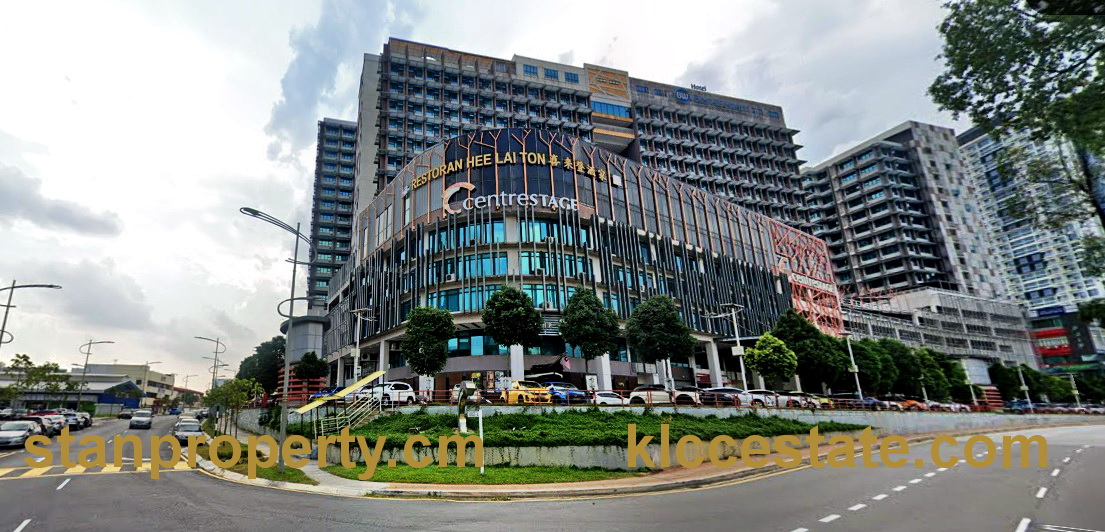
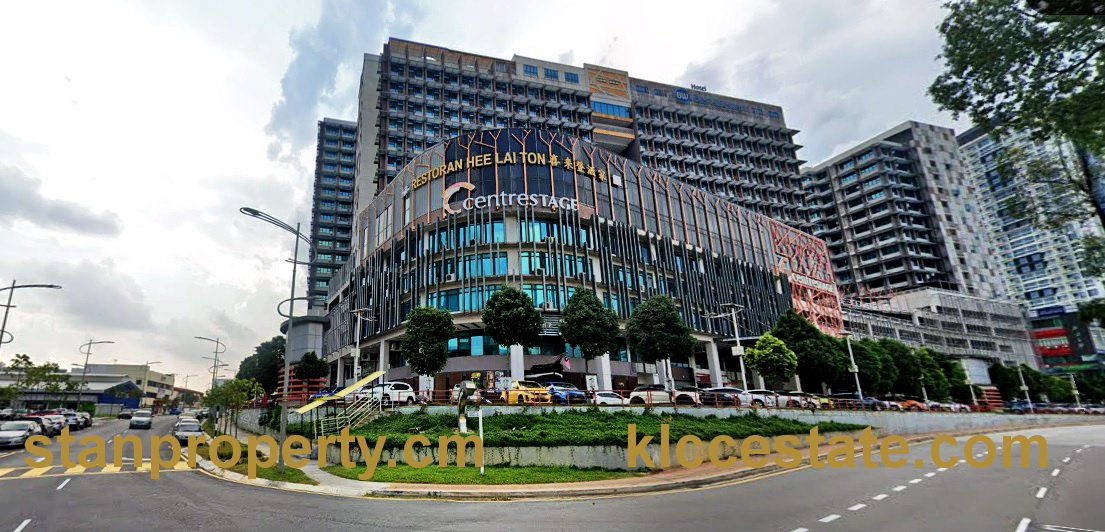
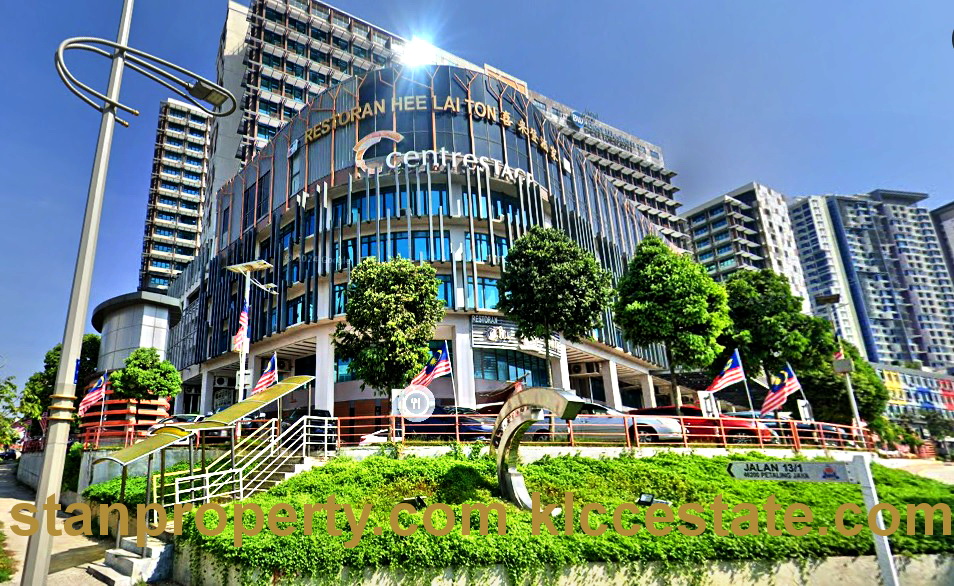
Set within Centrestage Petaling Jaya, this expansive 5,468 sq ft comme..
| Others | Others | 275 | RM 21,872 |
| Bed | Bath | View | 5,468 sfRinggit Malaysia |
|---|---|---|---|
| stanprop 3131 hours | |||
Positioned within Centrestage Petaling Jaya, this 4,801 sq ft commerci..
| Others | Others | 257 | RM 12,002 |
| Bed | Bath | View | 4,801 sfRinggit Malaysia |
|---|---|---|---|
| stanprop 3131 hours | |||
Tropical eVilla Residence offers a comfortable rental home within a gr..
| 5 | 5 | 322 | RM 5,000 |
| Bed | Bath | View | 3,162 sfRinggit Malaysia |
|---|---|---|---|
| stanprop 3338 hours | |||
A compact retail unit at Centrestage, Petaling Jaya measuring 958 sq f..
| Others | Others | 291 | RM 2,395 |
| Bed | Bath | View | 958 sfRinggit Malaysia |
|---|---|---|---|
| stanprop 3922 hours | |||
Centrestage PJ offers a strategically located retail space with a smal..
| Others | Others | 308 | RM 5,900 |
| Bed | Bath | View | 1,475 sfRinggit Malaysia |
|---|---|---|---|
| stanprop 3922 hours | |||
A spacious ground floor retail unit at Centrestage, Petaling Jaya span..
| Others | Others | 271 | RM 33,582 |
| Bed | Bath | View | 5,597 sfRinggit Malaysia |
|---|---|---|---|
| stanprop 3922 hours | |||
Prime retail lot at Centrestage Petaling Jaya with main road frontage,..
| Others | Others | 317 | RM 8,235 |
| Bed | Bath | View | 1,647 sfRinggit Malaysia |
|---|---|---|---|
| stanprop 3923 hours | |||
A spacious detached bungalow available for rent within the Bukit Jalil..
| >12 | >12 | 508 | RM 40,000 |
| Bed | Bath | View | 12,000 sfRinggit Malaysia |
|---|---|---|---|
| stanprop 4258 hours | |||
PJ Mall Shop, enjoys prominent main road frontage with excellent visi..
| Others | Others | 380 | RM 27,816 |
| Bed | Bath | View | 3,477 sfRinggit Malaysia |
|---|---|---|---|
| stanprop 4664 hours | |||
Bandar Putri Office, features a modern full-height tempered glass fron..
| Others | Others | 540 | RM 12,500 |
| Bed | Bath | View | 3,840 sfRinggit Malaysia |
|---|---|---|---|
| stanprop 4687 hours | |||
Corner Shop Office Kuchai Lama Entrepreneurs Park, is fully renovated ..
| Others | Others | 439 | RM 9,500 |
| Bed | Bath | View | 3,300 sfRinggit Malaysia |
|---|---|---|---|
| stanprop 4687 hours | |||
Kota Damansara Corner Shop is located in one of PJ’s most dynamic an..
| Others | Others | 423 | RM 9,500 |
| Bed | Bath | View | 3,300 sfRinggit Malaysia |
|---|---|---|---|
| stanprop 4704 hours | |||
Corner Shop Kota Damansara is located in one of PJ’s most dynamic an..
| Others | Others | 368 | RM 36,000 |
| Bed | Bath | View | 3,300 sfRinggit Malaysia |
|---|---|---|---|
| stanprop 4704 hours | |||
Corner Shop SS2 sits in one of Petaling Jaya’s most vibrant and crow..
| Others | Others | 379 | RM 16,000 |
| Bed | Bath | View | 3,300 sfRinggit Malaysia |
|---|---|---|---|
| stanprop 4704 hours | |||
PJ Corner Shop is located in a highly vibrant and busy Petaling Jaya h..
| Others | Others | 379 | RM 49,000 |
| Bed | Bath | View | 3,300 sfRinggit Malaysia |
|---|---|---|---|
| stanprop 4704 hours | |||
Corner Shop Medan Niaga Tasik Damai in Sungai Besi is set within a bu..
| Others | Others | 468 | RM 8,000 |
| Bed | Bath | View | 3,300 sfRinggit Malaysia |
|---|---|---|---|
| stanprop 4705 hours | |||
Corner Shop Medan Niaga Tasik Damai in Sungai Besi is set within a bu..
| Others | Others | 419 | RM 36,000 |
| Bed | Bath | View | 3,300 sfRinggit Malaysia |
|---|---|---|---|
| stanprop 4705 hours | |||
Taipan USJ Shop,Ground floor corner lot with main road frontage and ex..
| Others | Others | 526 | RM 22,000 |
| Bed | Bath | View | 3,000 sfRinggit Malaysia |
|---|---|---|---|
| stanprop 4923 hours | |||
Taipan Shop For Rent,Ground floor corner lot with main road frontage a..
| Others | Others | 442 | RM 30,000 |
| Bed | Bath | View | 4,000 sfRinggit Malaysia |
|---|---|---|---|
| stanprop 4924 hours | |||
Boulevard Service Apartment for Rent featuring a fully furnished layou..
| 2 | 2 | 429 | RM 2,200 |
| Bed | Bath | View | 610 sfRinggit Malaysia |
|---|---|---|---|
| stanprop 4945 hours | |||
Jendela @ KLGCC for rent is a high-rise residence beside Kuala Lumpur ..
| 4 | 4 | 933 | RM 11,000 |
| Bed | Bath | View | 1,884 sfRinggit Malaysia |
|---|---|---|---|
| stanprop 4994 hours | |||
Jendela Residences @ KLGCC is a high-rise home beside Kuala Lumpur Gol..
| 3 | 2 | 1211 | RM 8,700 |
| Bed | Bath | View | 1,539 sfRinggit Malaysia |
|---|---|---|---|
| stanprop 4994 hours | |||
Jendela Residences @ KLGCC is a high-rise next to Kuala Lumpur Golf & ..
| 3 | 2 | 4843 | RM 6,700 |
| Bed | Bath | View | 1,324 sfRinggit Malaysia |
|---|---|---|---|
| stanprop 4994 hours | |||
Puchong Shop, Bandar Putri, end lot, Excellent for investment or own u..
| Others | Others | 769 | RM 6,500 |
| Bed | Bath | View | 1,950 sfRinggit Malaysia |
|---|---|---|---|
| stanprop 9303 hours | |||
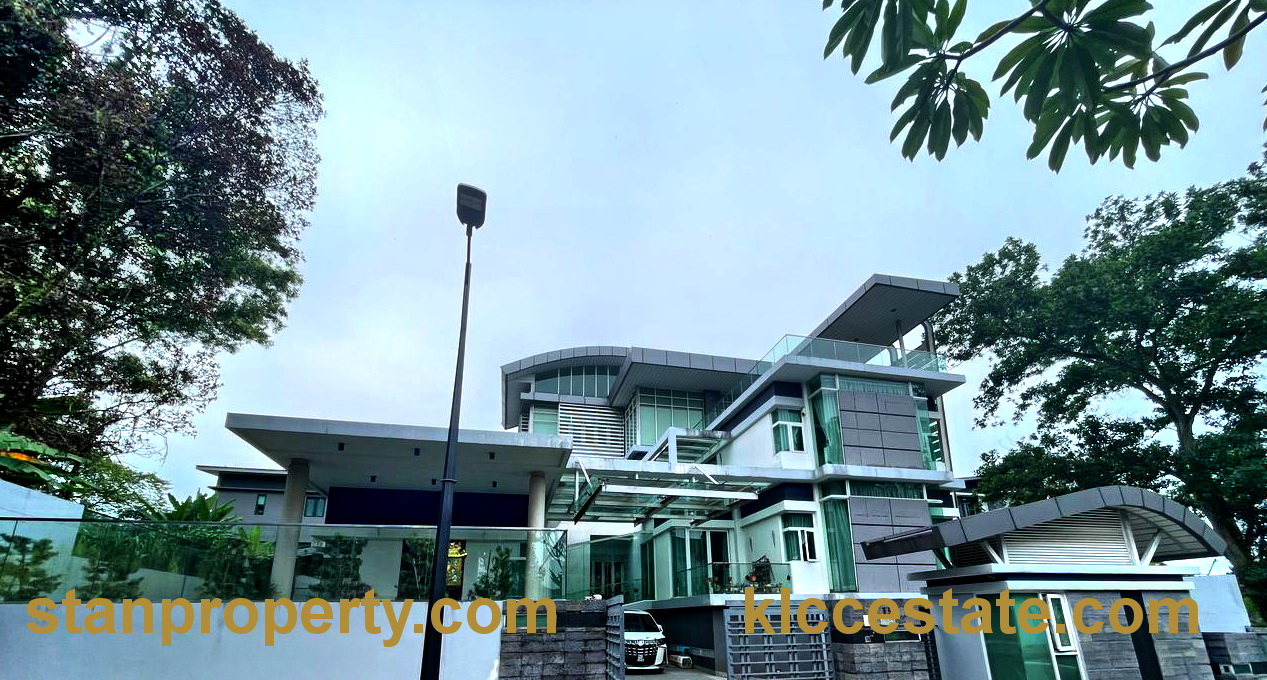
Country Heights Damansara Bungalow
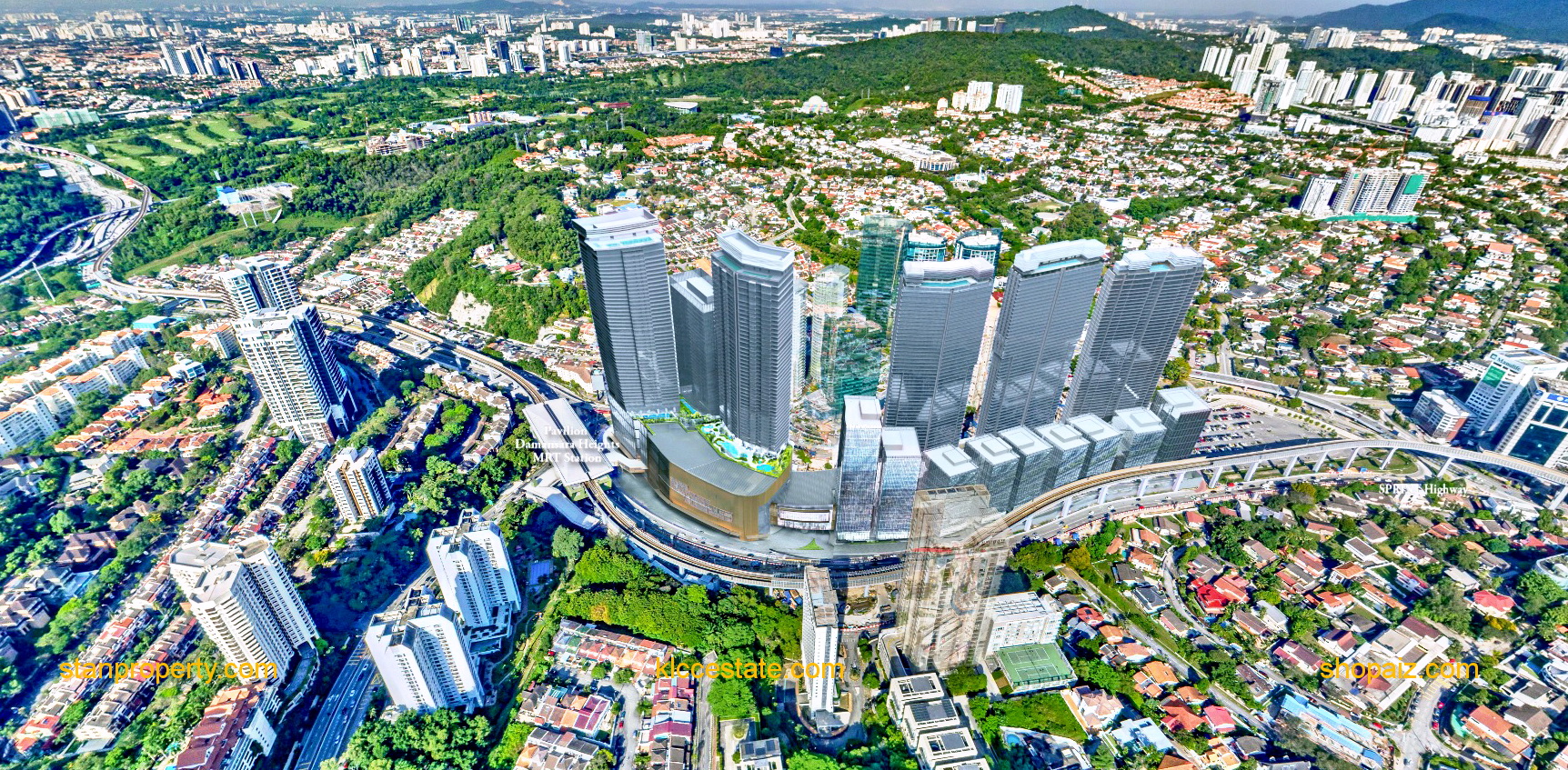
Pavilion Damansara Heights Condo For Sale
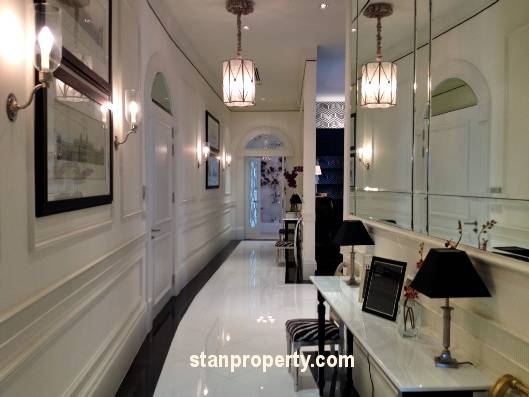
KLCC Penthouse For Sale
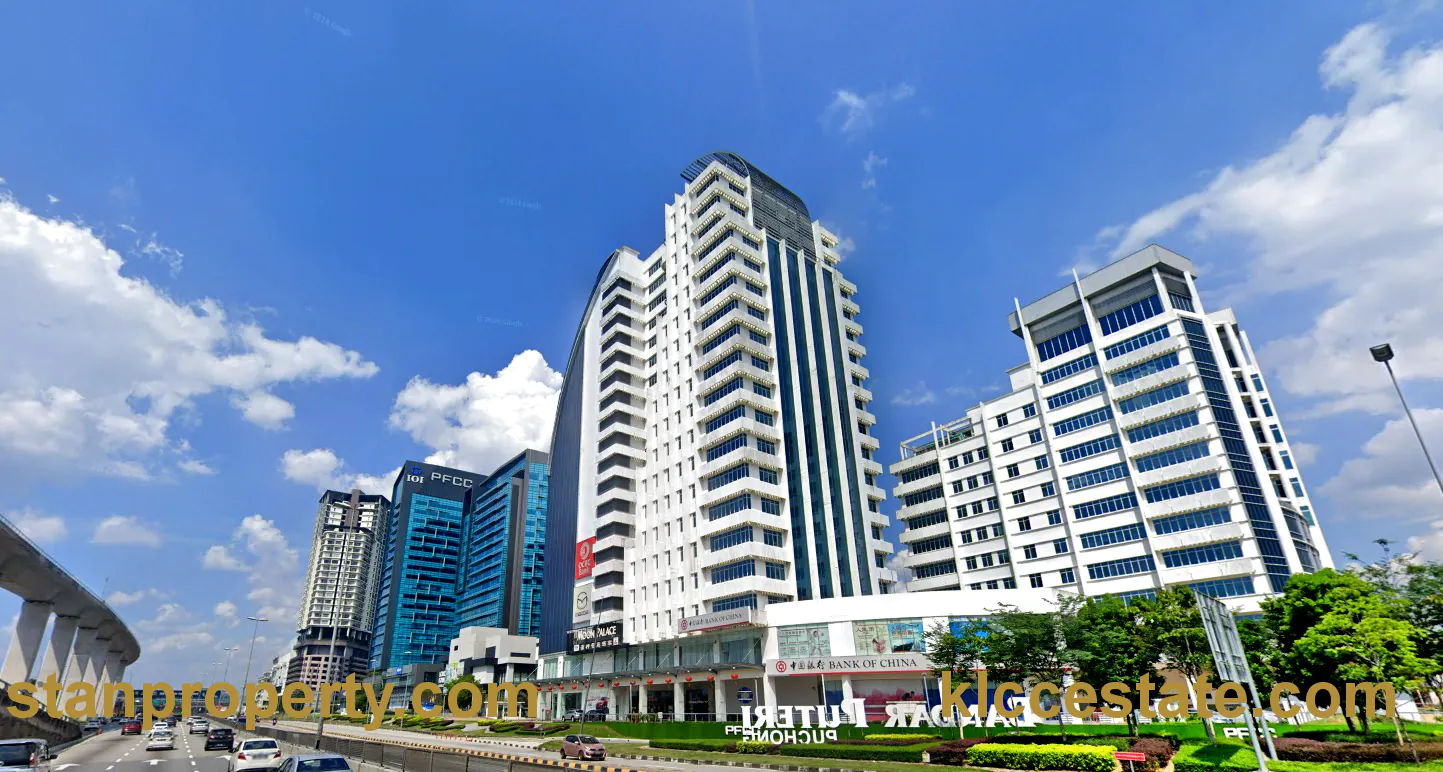
Puchong Office
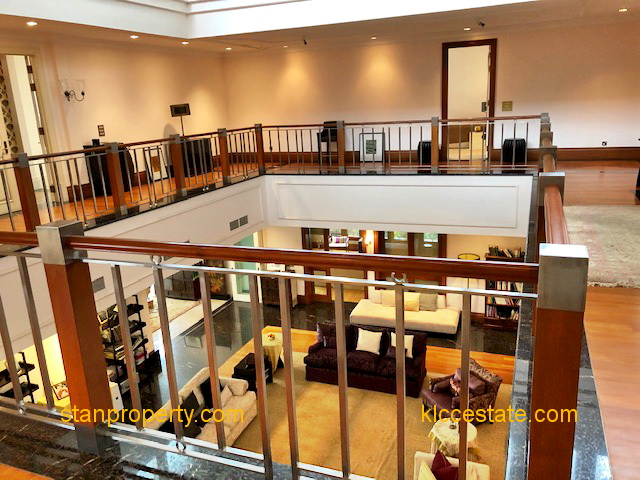
Bangsar Bungalow
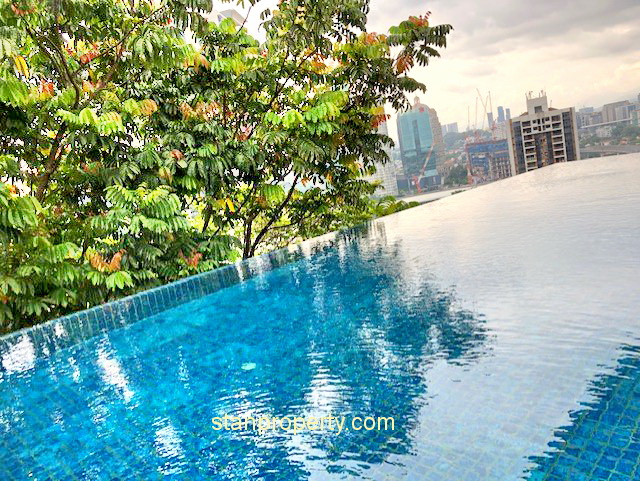
Bangsar Bungalow For Sale
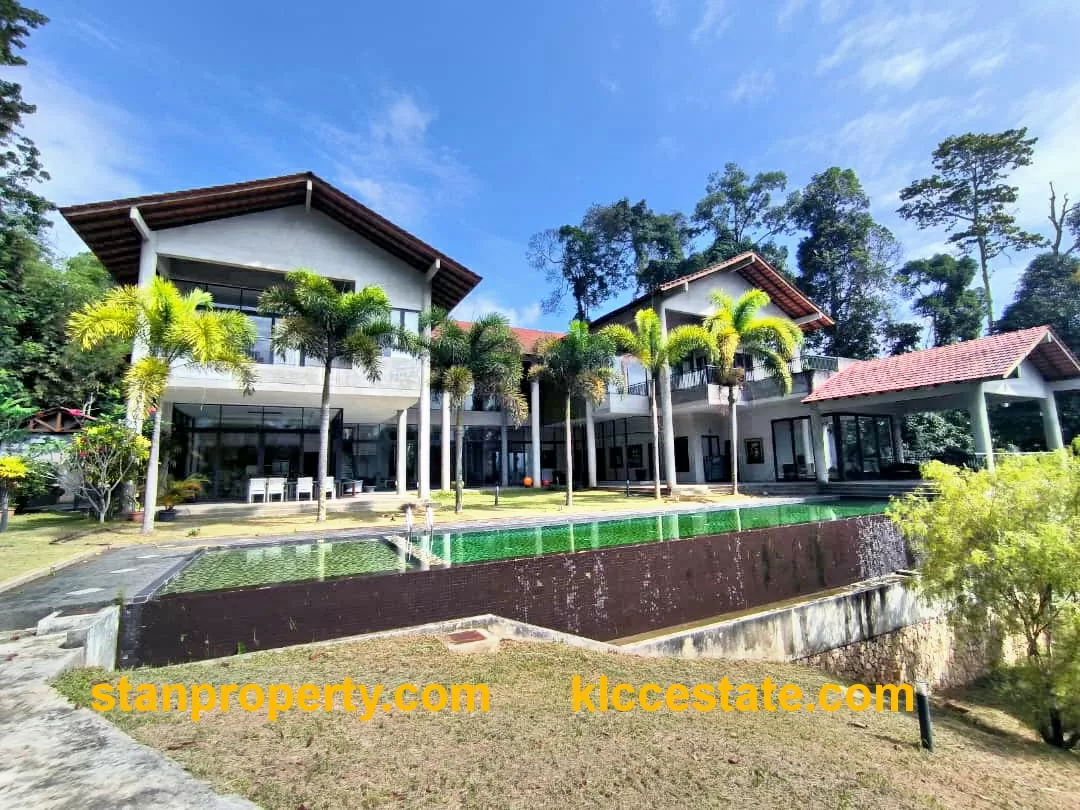
Janda Baik Bungalow
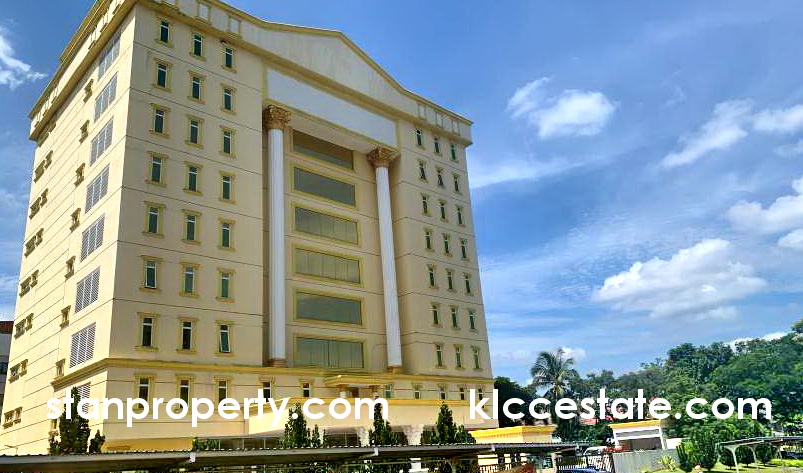
Subang Commercial Building
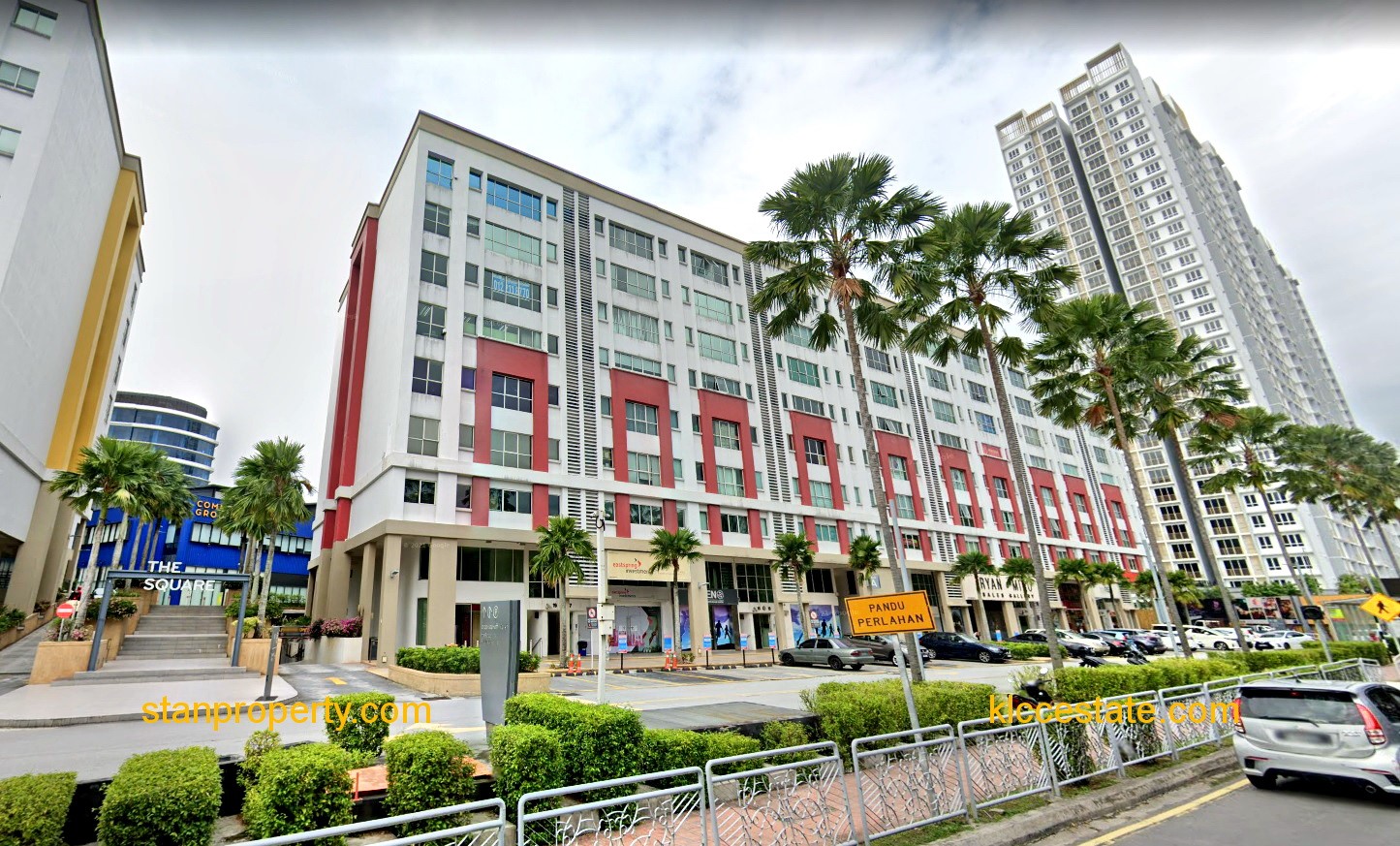
PJ Office Warehouse
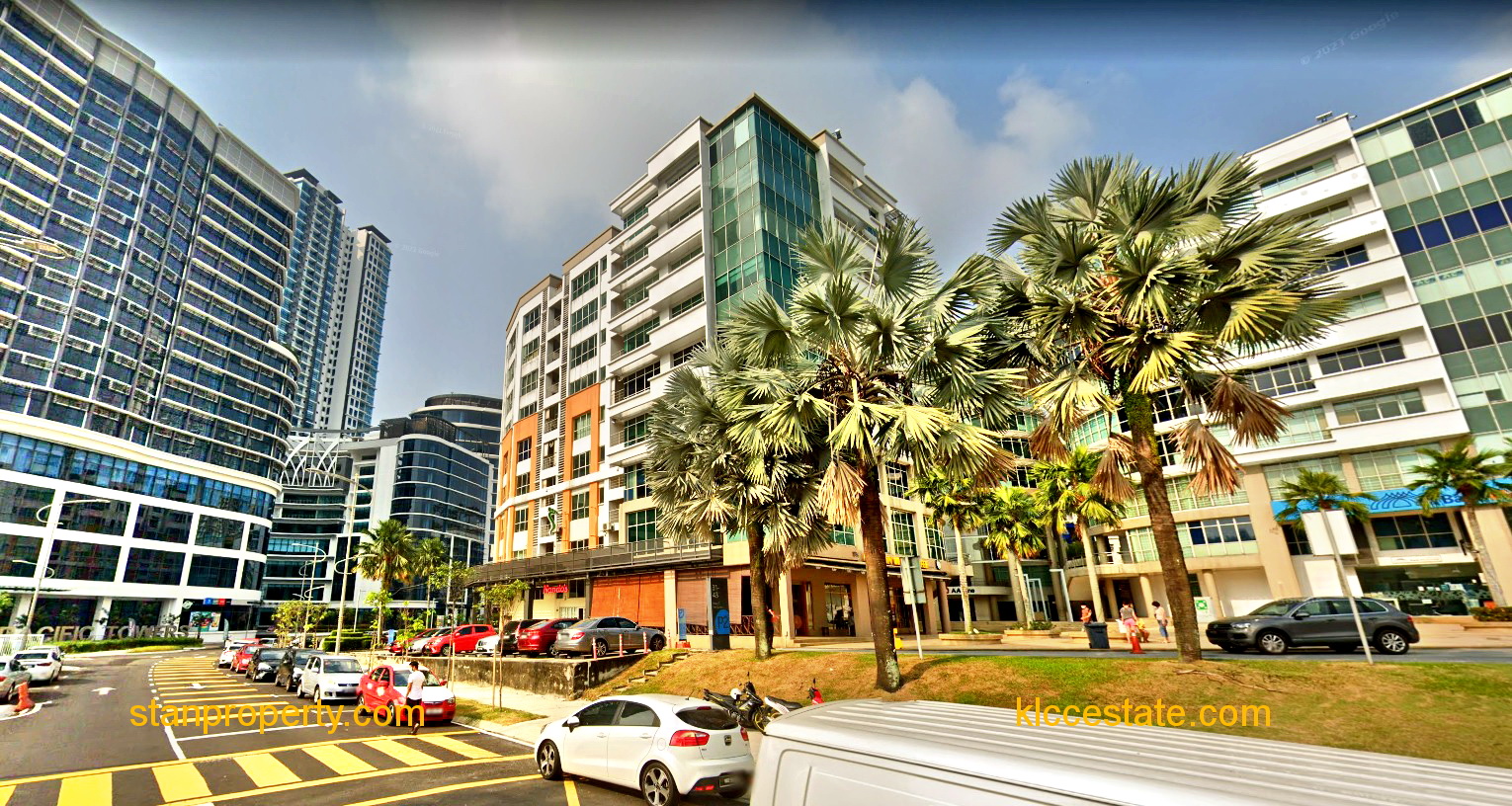
PJ Land
Bangsar Bungalow For Sale
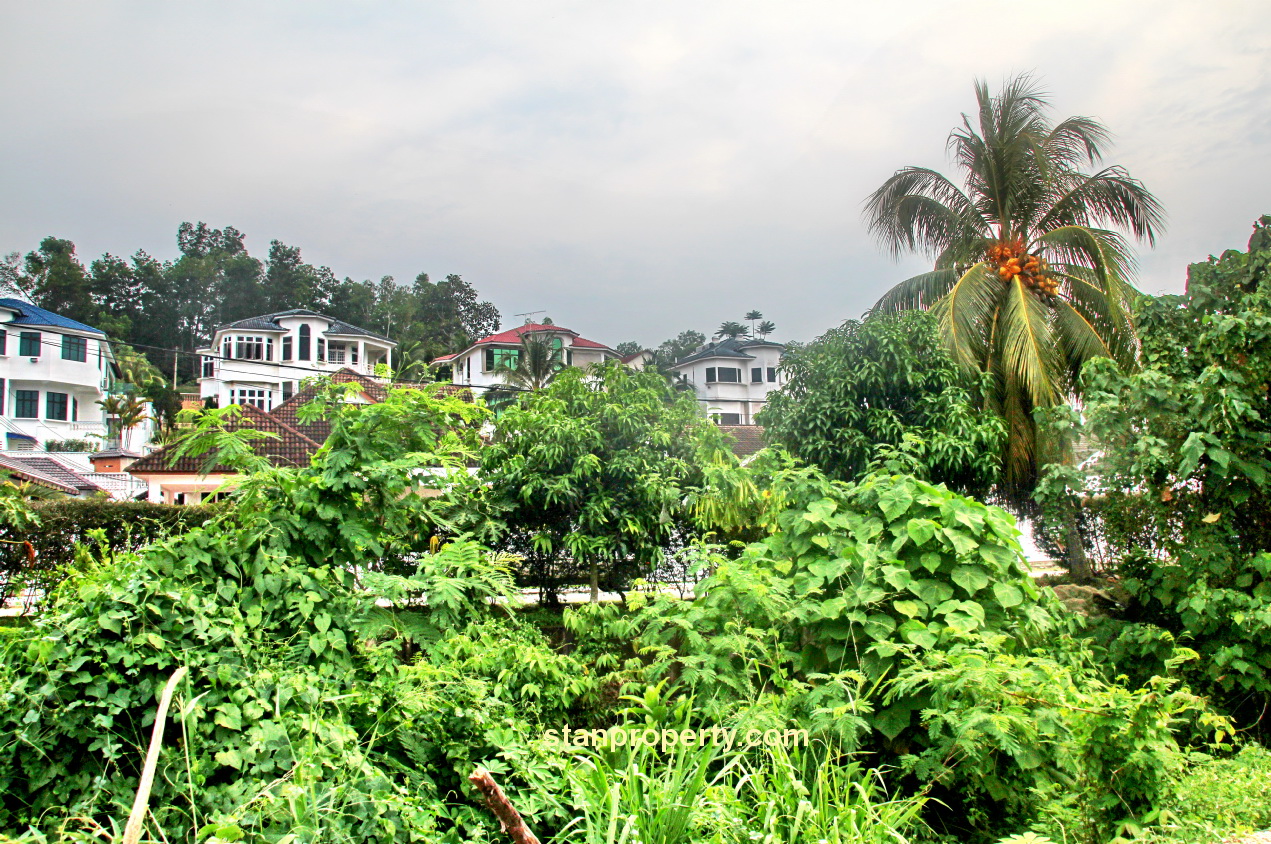
Mentakab Bungalow Land For Sale
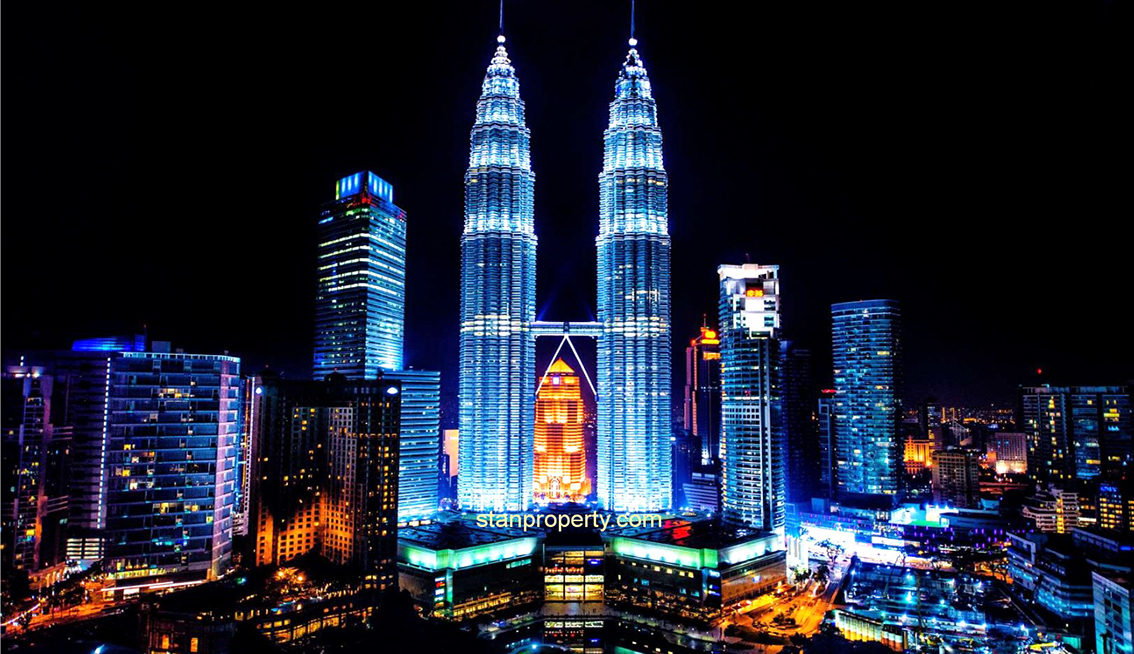
Penthouse
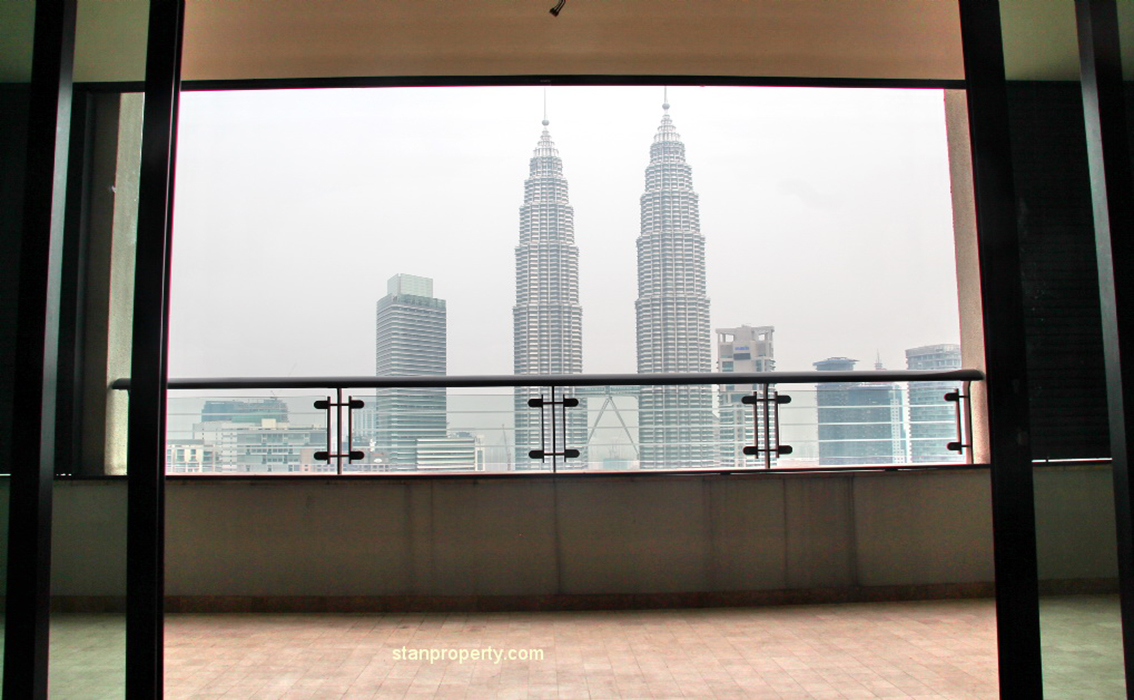
KLCC Penthouse
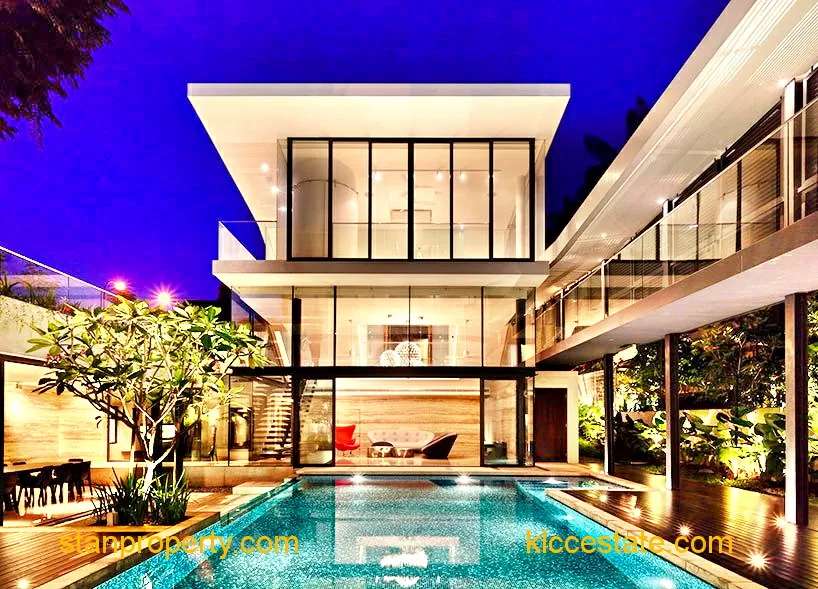
KLCC Bungalow For Sale















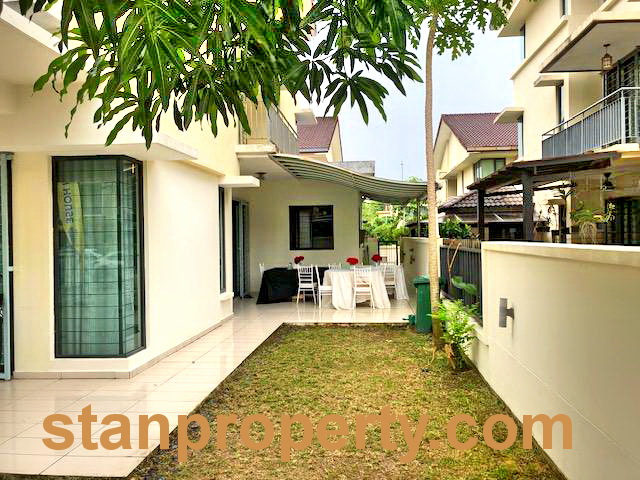
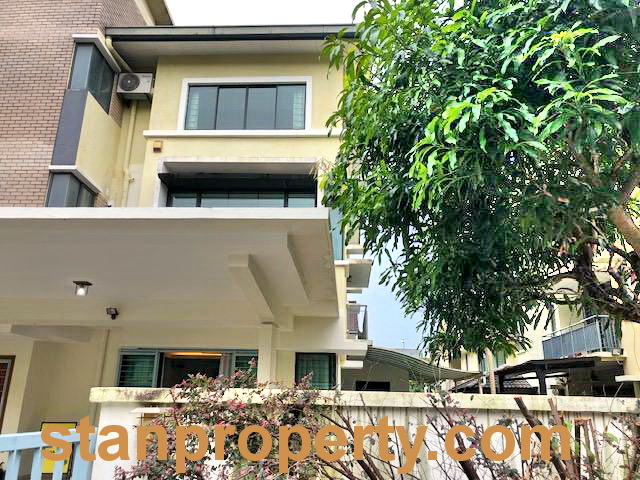

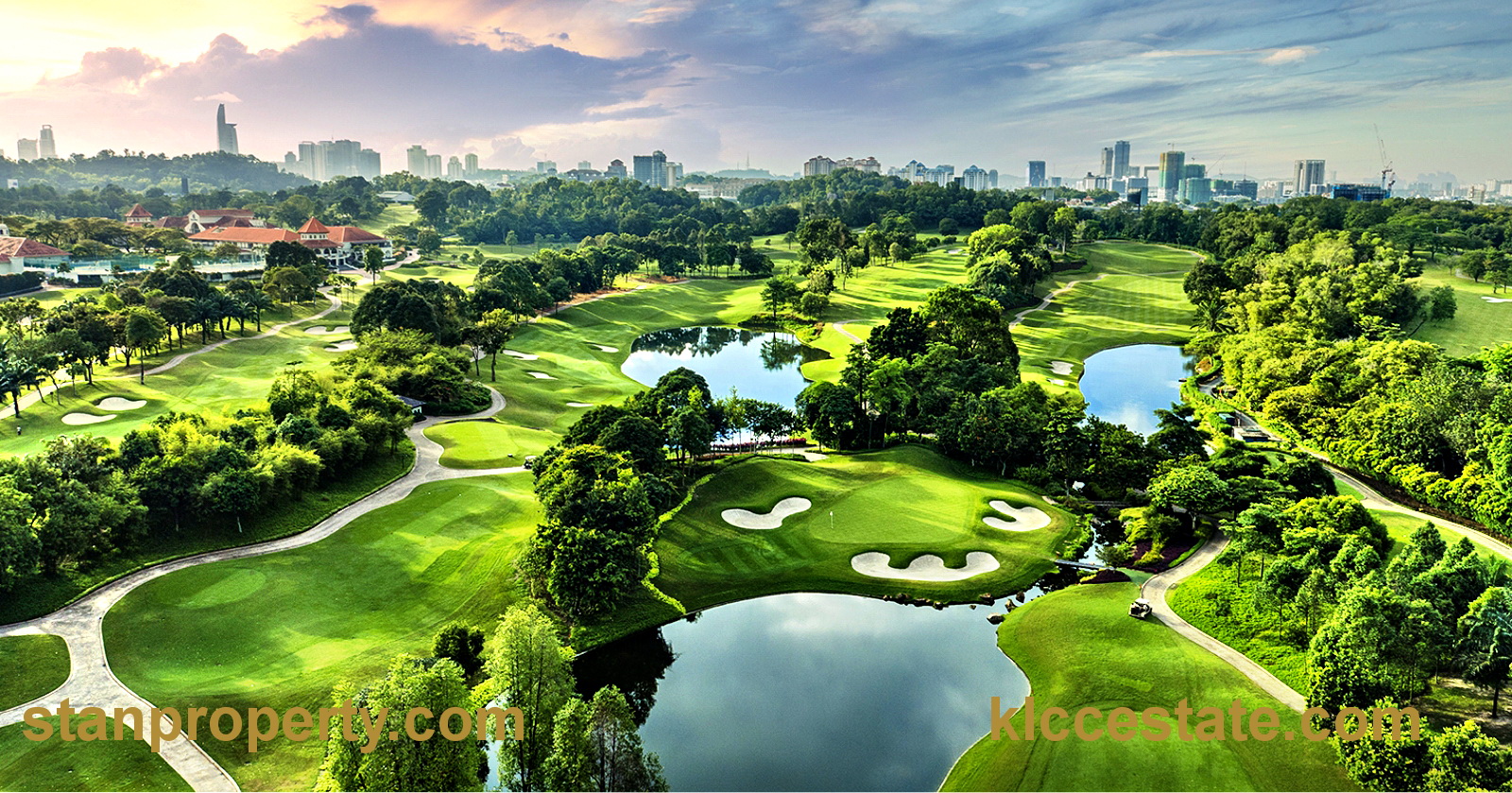
 Photo Gallery
 Video Gallery
 Virtual Tour