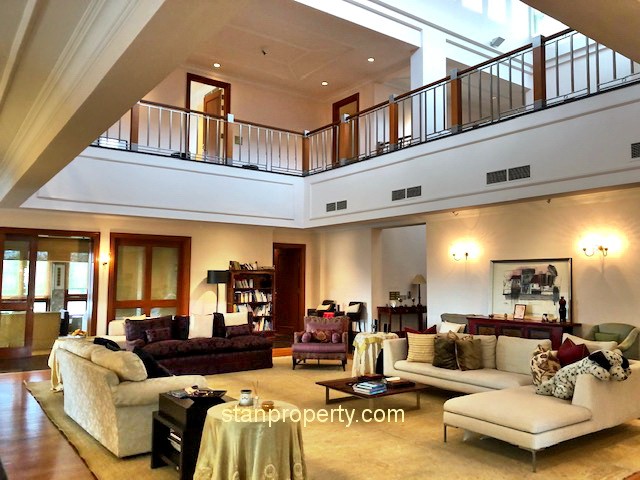
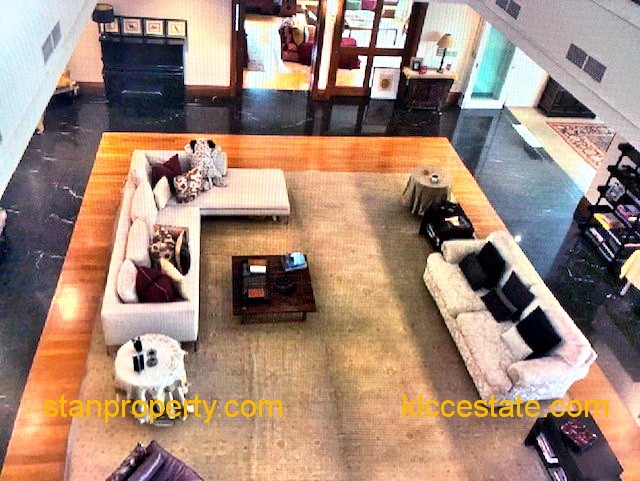
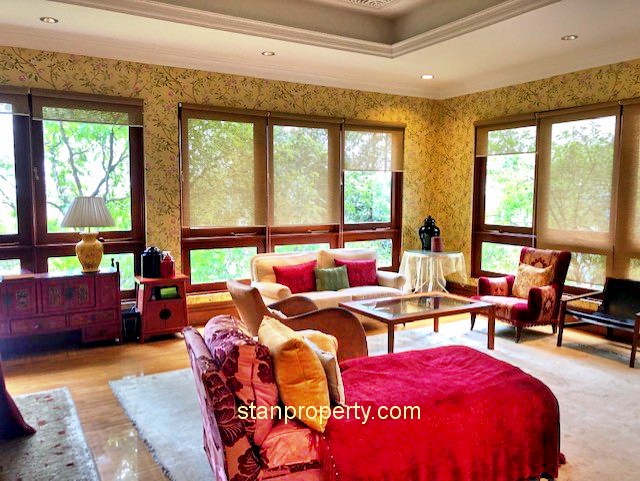
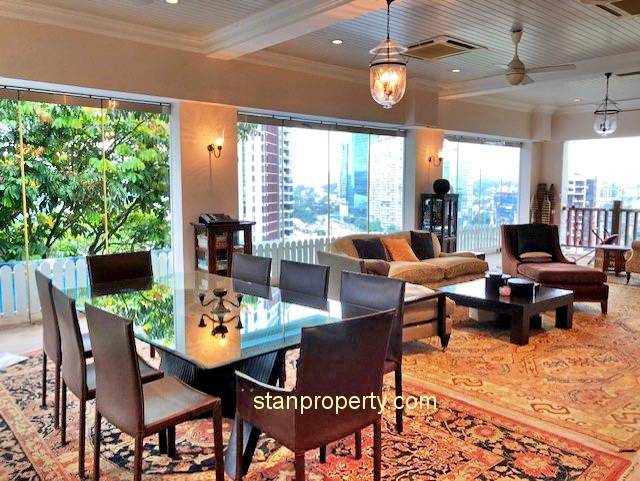
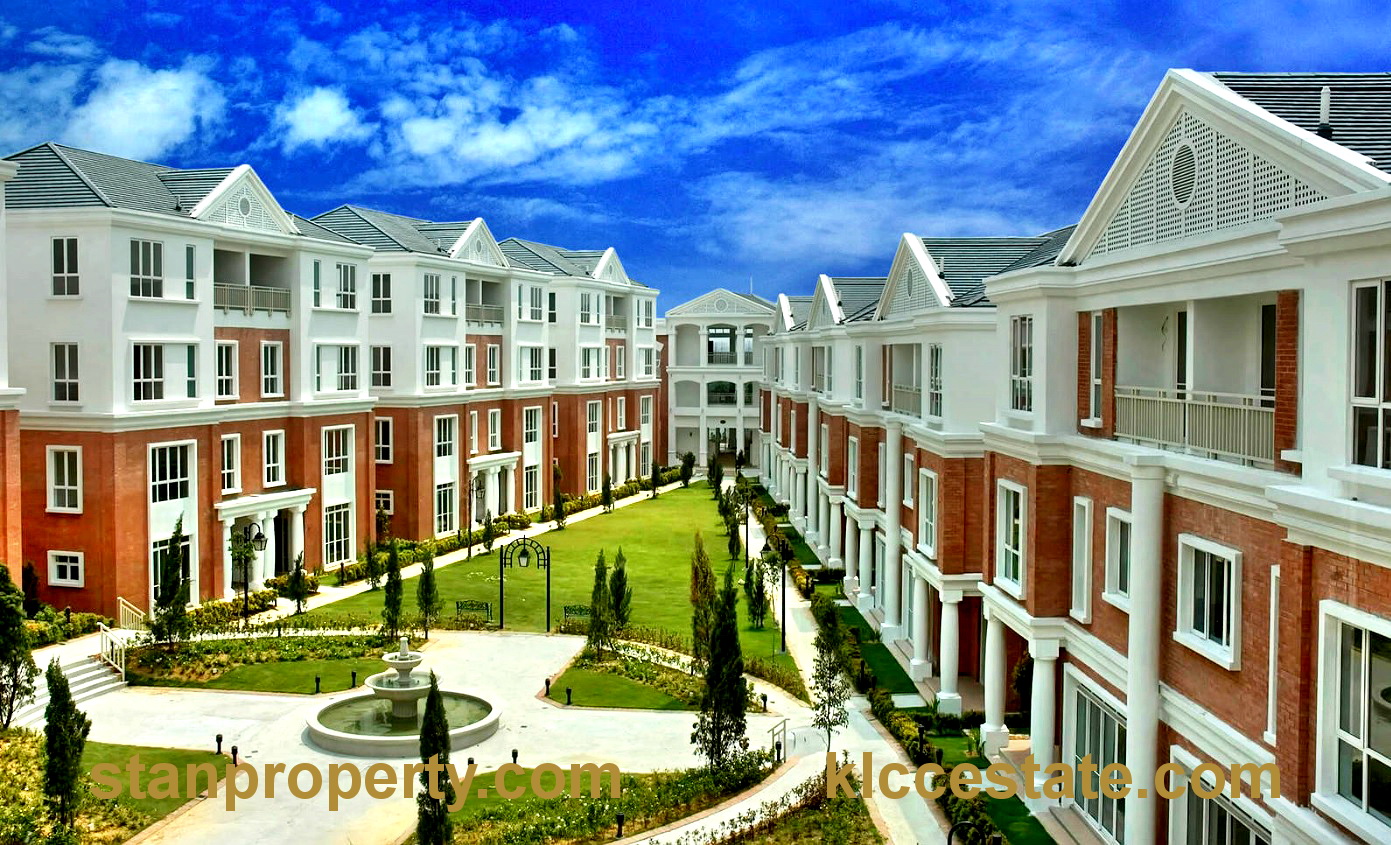
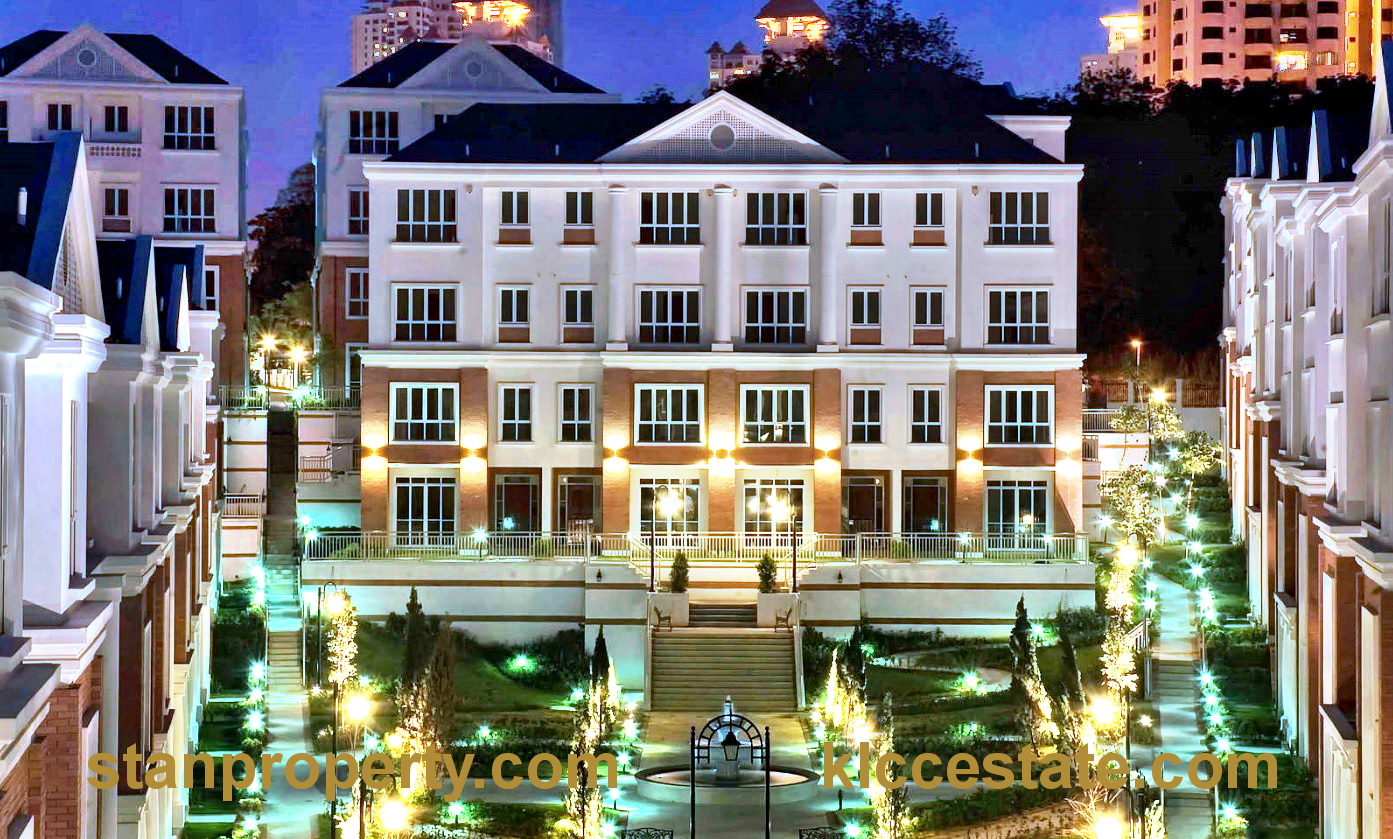
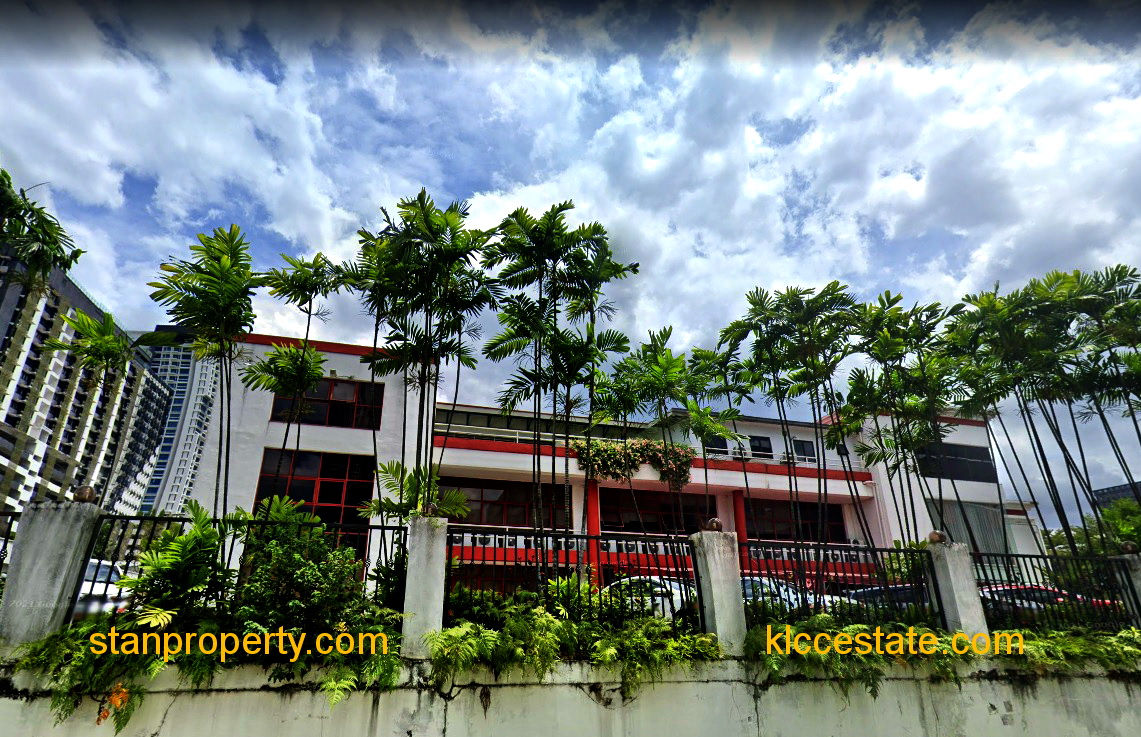
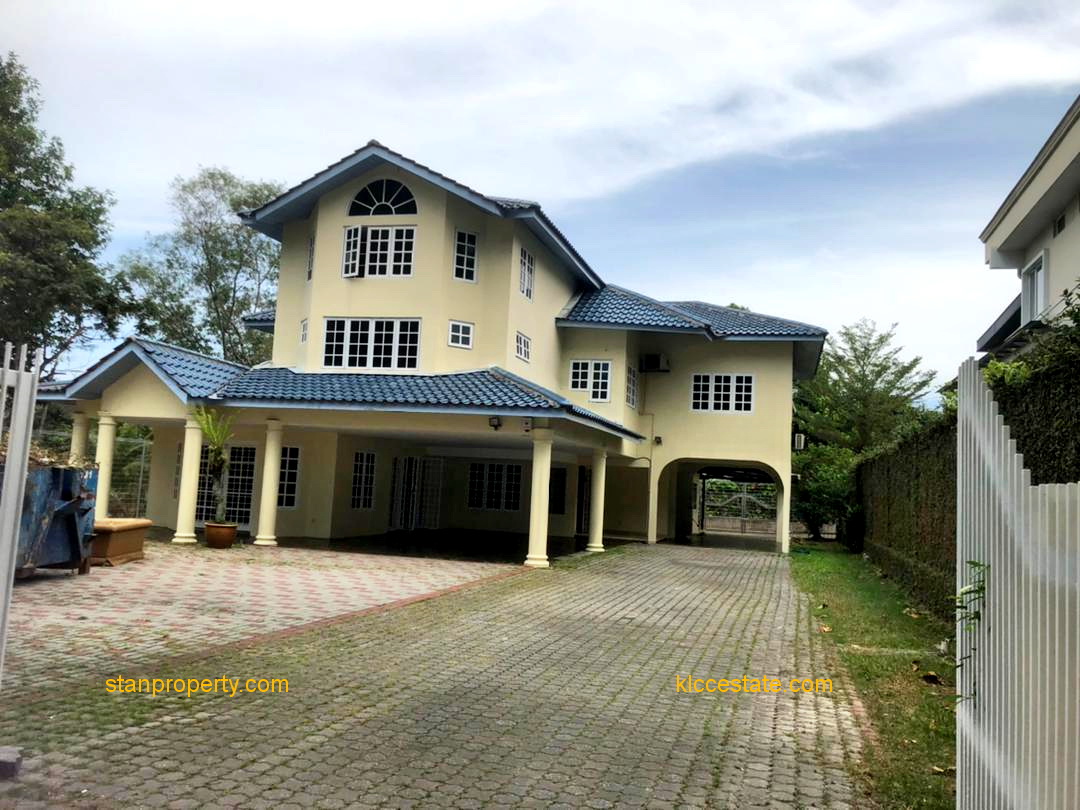
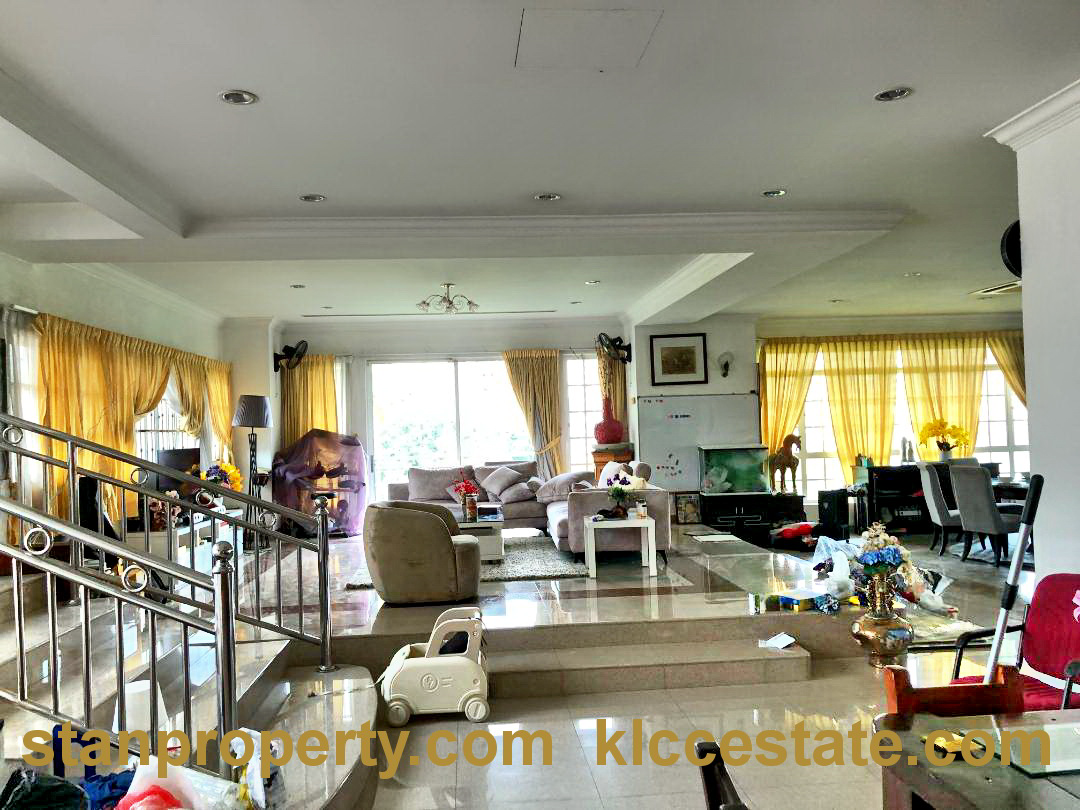
BangalowType |
ExistingStatus |
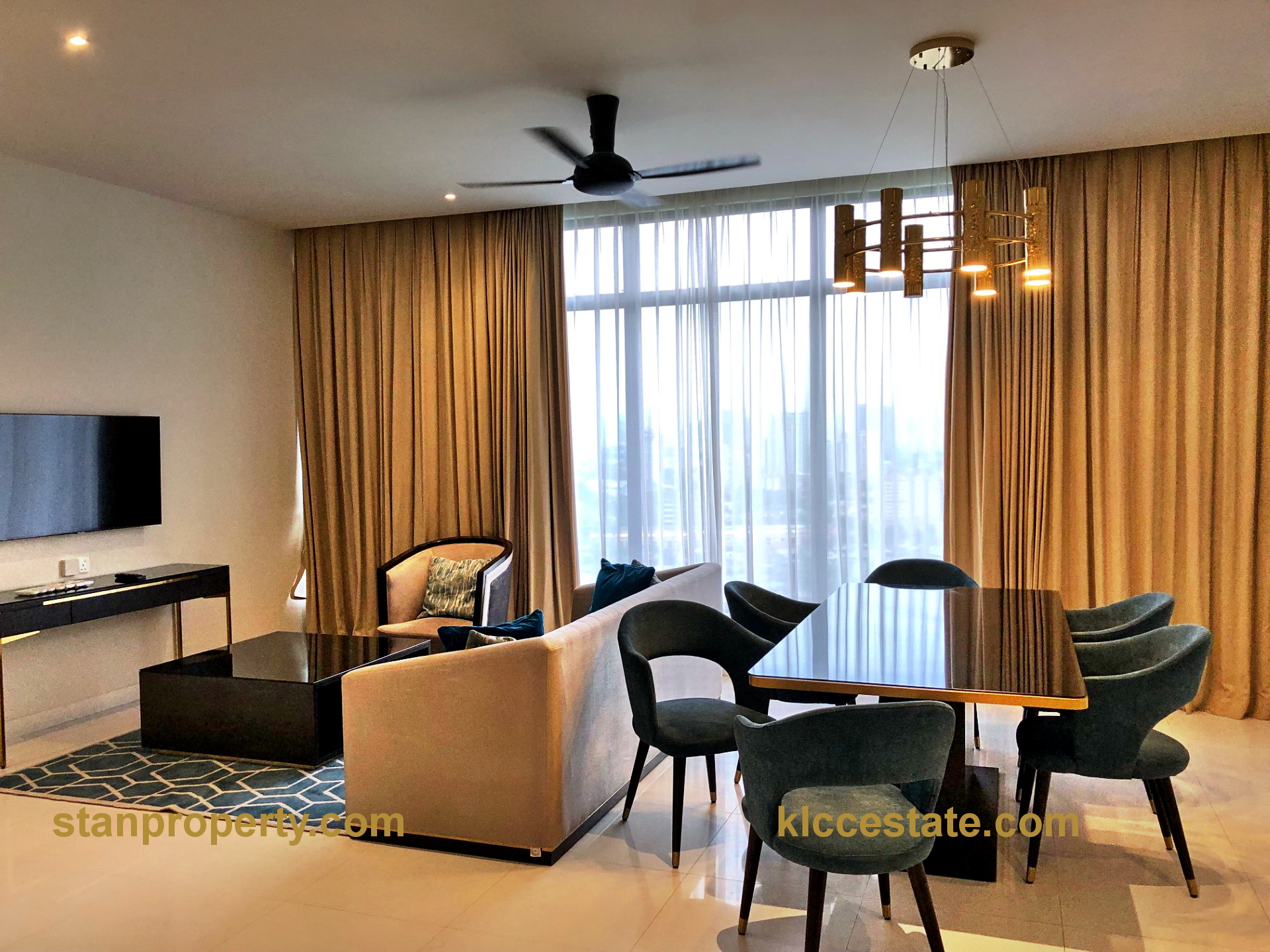
Partial FurnishFurnished |
FreeholdTenure |
UnknownTotal Units |
ResidentialTitle Type |
| Premium Property | Luxury Home | Standard Home | Affordable Home | |
|---|---|---|---|---|
| Type | Unknown | Unknown | Unknown | Unknown |
| Selling Price | RM 0 | RM 0 | RM 0 | RM 0 |
| Renting Price | RM 0 | RM 0 | RM 0 | RM 0 |
| Units | 0 | 0 | 0 | 0 |
| Land Size | Unknown | Unknown | Unknown | Unknown |
| Built up | Unknown | Unknown | Unknown | Unknown |
| Car Park Bay | Unknown | Unknown | Unknown | Unknown |
Property Features
| Strategic Location | Yes |
|---|---|
| Mature Community | Yes |
| Existing | Yes |
| Private Pool | Yes |
| Gated & Guaraded | Yes |
| 24 Hours Security | Yes |
| Private Garden | Yes |
| Renovated | Yes |
| Air Conditioning | Yes |
| Cooker Hob/Hood | Yes |
| Oven/Microwave | Yes |
| City View | Yes |
| Washing Machine | Yes |
| Moving in Condition | Yes |
| Bathtub | Yes |
| Fridge | Yes |
| Maid Room | Yes |
| Amenities More Than 1KM | Yes |
| LRT/MRT Station | Yes |
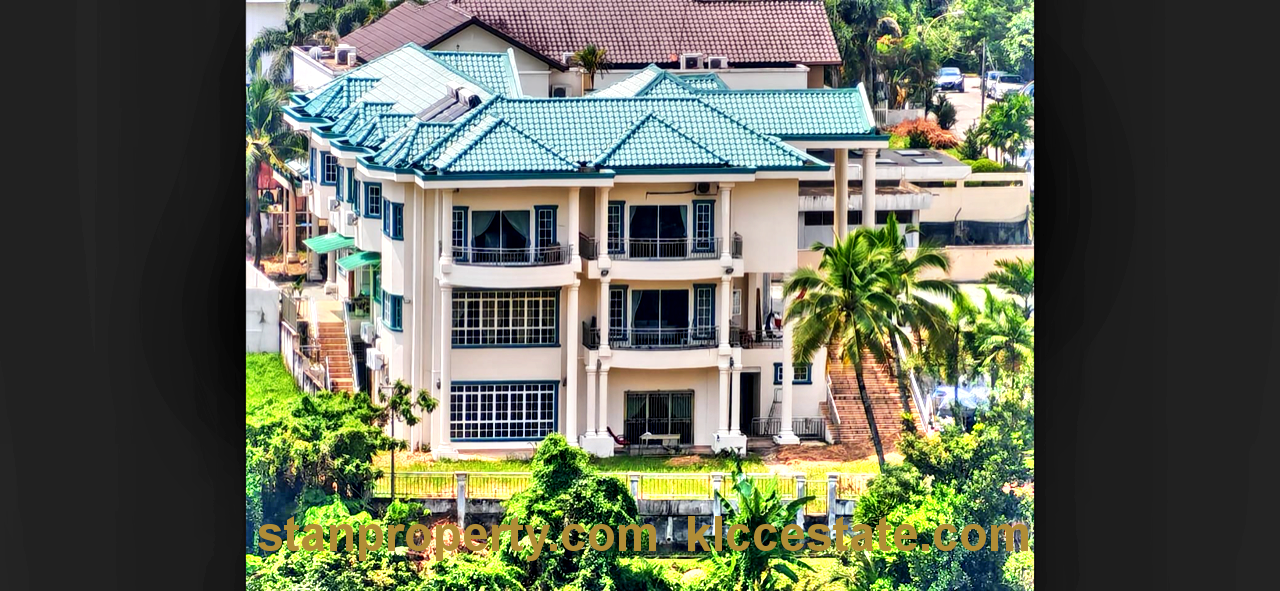
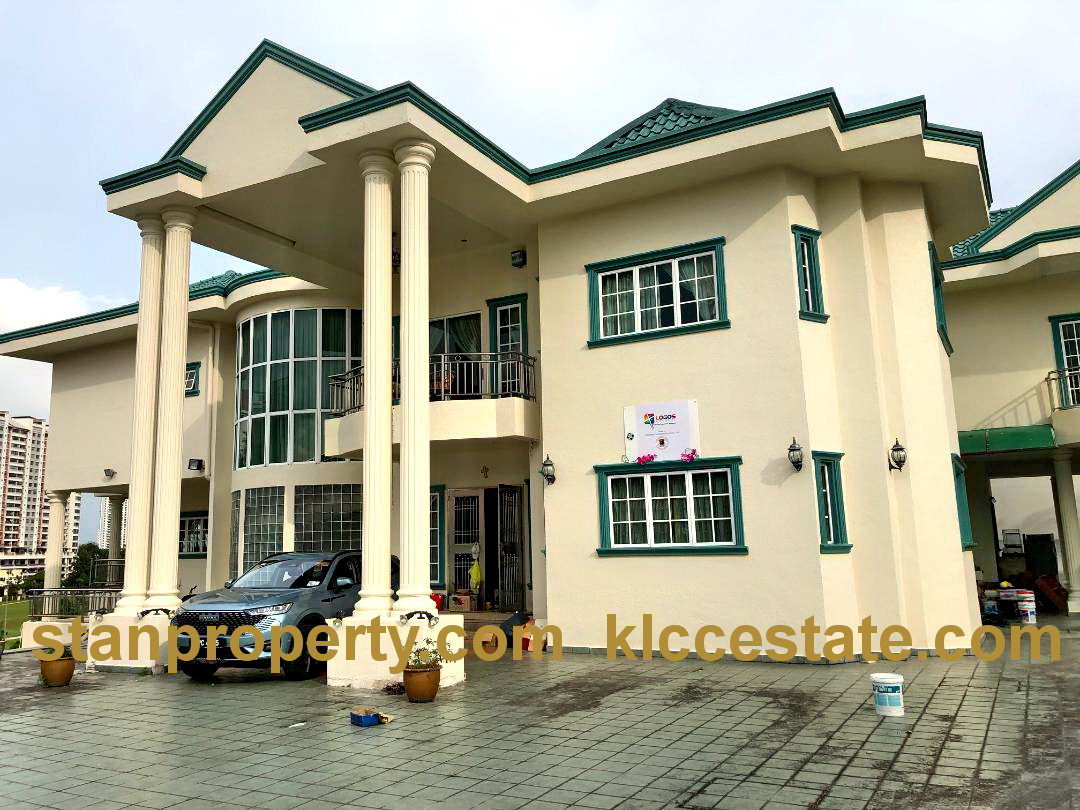
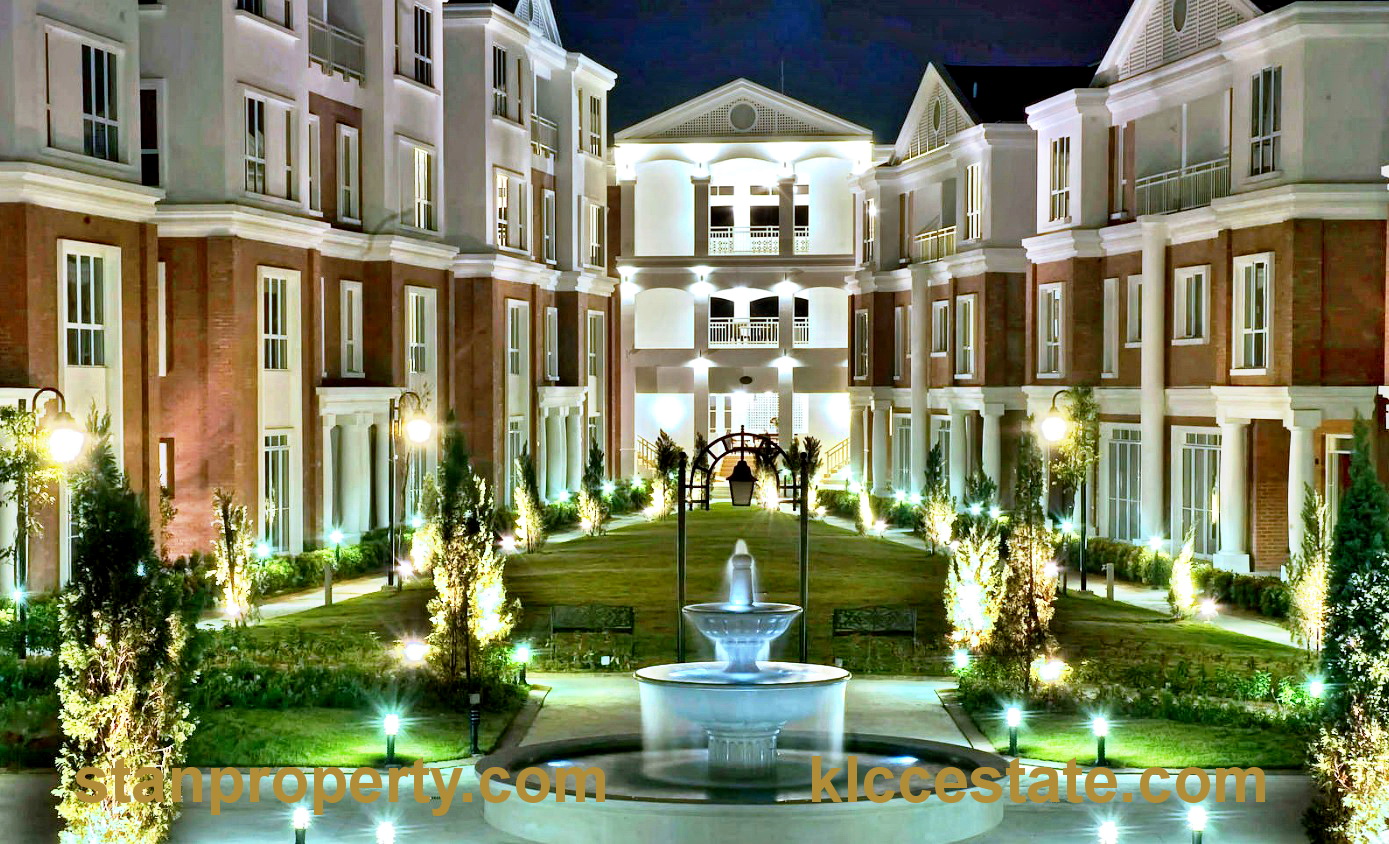
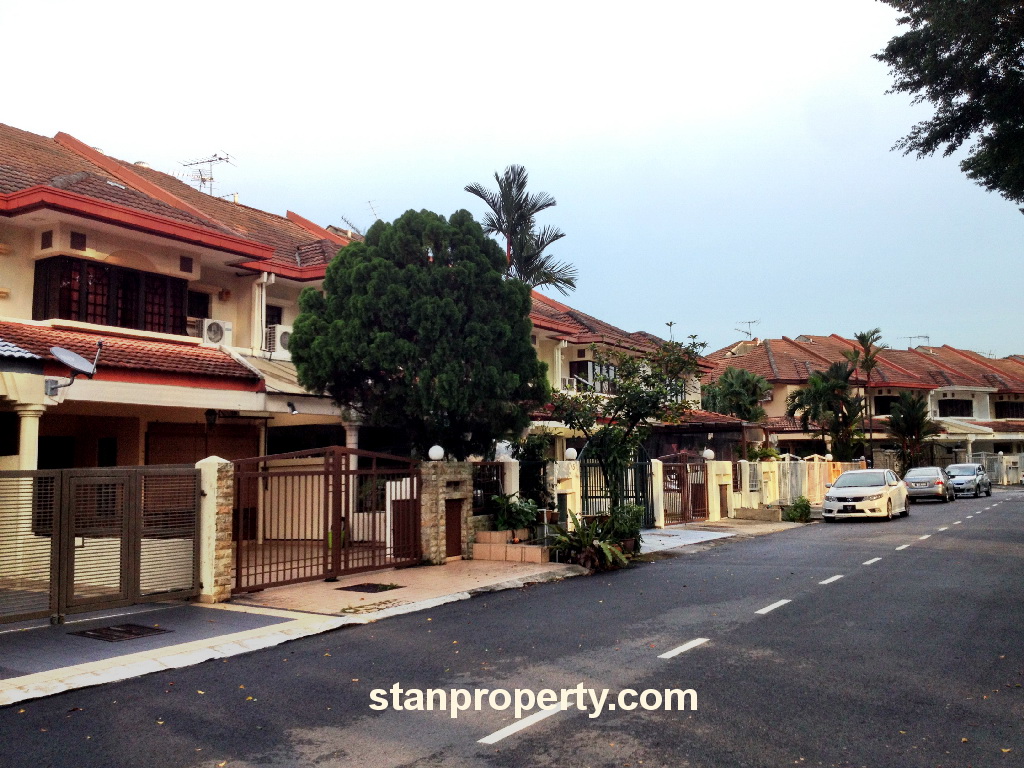
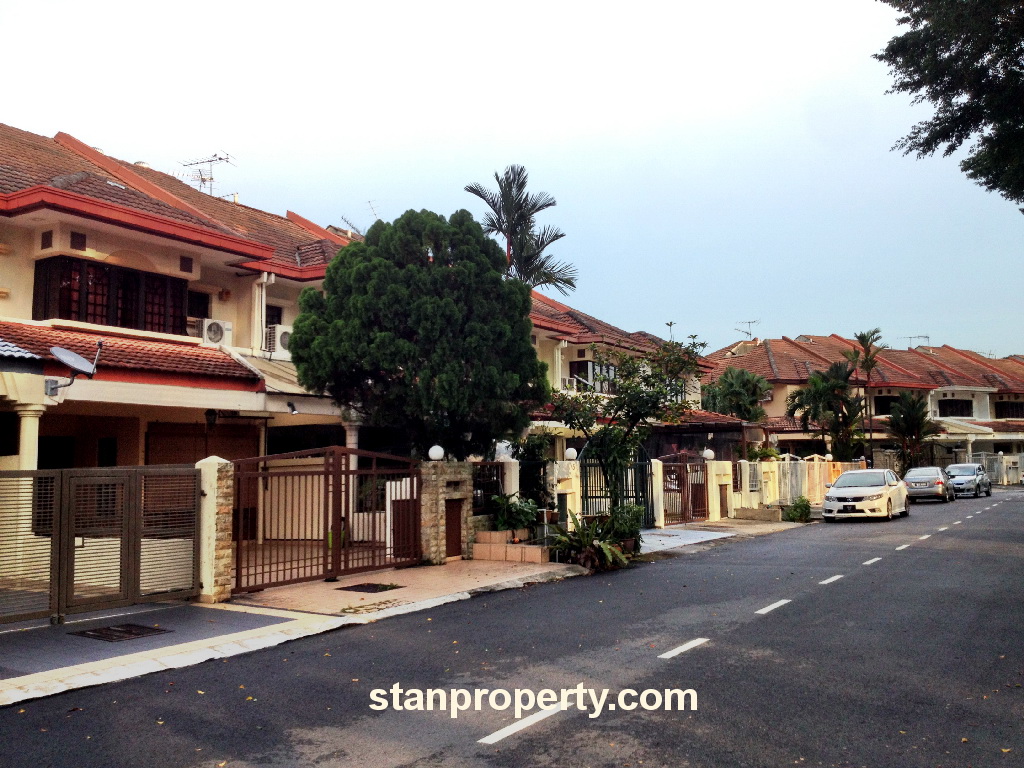
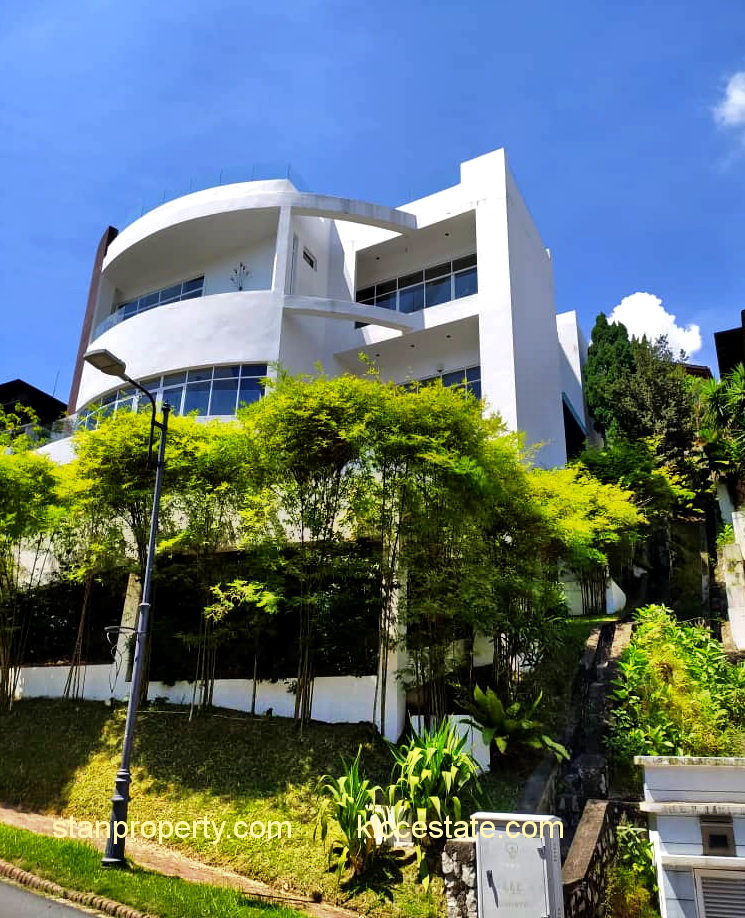
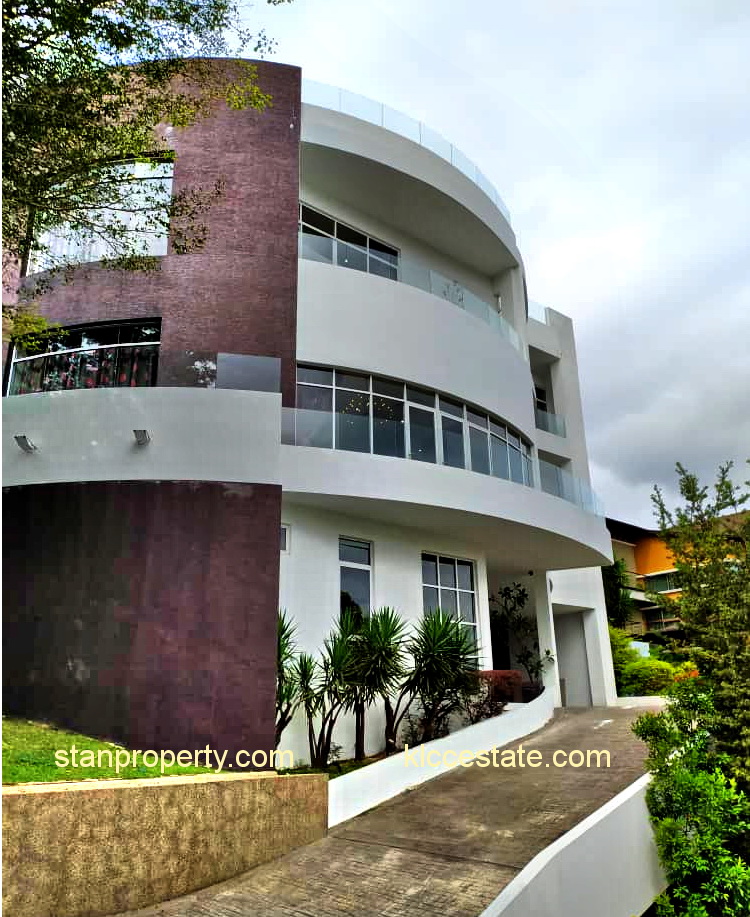
Introduction: Colonial Roots and Urban Identity The architectural character of Bangsar is inseparable from its colonial past. Many of the area’s earliest bungalows were constructed during the British colonial period, reflecting typologies imported and adapted to the tropical context. These homes were not only residences but instruments of urban planning, signaling status, function, and cultural hierarchy. Their influence persists today, informing the proportions, spatial logic, and aesthetic language of contemporary Bangsar housing. Understanding Bangsar’s bungalow typology requires examining the interplay between colonial design principles and local environmental, social, and material conditions. These bungalows were not mere copies of European prototypes; they were hybrid solutions that combined climatic intelligence with lifestyle requirements, producing homes that were simultaneously functional, elegant, and adaptable. ________________________________________ Colonial Bungalow Typology: Key Features The colonial bungalow typology introduced in Bangsar possesses a set of defining characteristics: 1. Single-Storey Layout Most colonial bungalows were single-storey structures, maximizing horizontal spread over vertical density. This facilitated airflow, simplified circulation, and reinforced the connection between indoor spaces and surrounding gardens. 2. Raised Floors and Pitched Roofs Raised floors provided natural ventilation beneath the building, reducing humidity and moderating indoor temperatures. Pitched roofs, often steep and wide, efficiently shed tropical rainfall while providing generous overhangs to protect walls and openings. 3. Verandas and Semi-Outdoor Spaces Verandas served as transitional zones between interior and exterior, offering shaded areas for leisure, social interaction, and climate control. These semi-outdoor spaces were functional and integral to the building’s overall design, rather than ornamental appendages. 4. Symmetry and Proportionality Colonial bungalows emphasized balance and proportion. Central hallways, aligned windows, and consistent rooflines contributed to a harmonious visual rhythm. While aesthetics were important, they were always coupled with practical considerations like ventilation, lighting, and accessibility. 5. Material Use and Climate Adaptation Materials were selected to suit the tropical environment. Timber, clay tiles, and masonry were used in combination to balance structural durability, thermal comfort, and maintenance ease. Roof timbers were treated for humidity, while wall masonry was often plastered and ventilated to prevent dampness. These features collectively formed a typology that was resilient, adaptable, and contextually responsive—qualities that continue to inform modern bungalow design in Bangsar. ________________________________________ Adaptation to Local Context While the colonial typology was imported, its adaptation to Malaysian conditions was crucial. Architects modified plans to suit climate, landscape, and cultural habits. • Orientation: Buildings were positioned to capture prevailing winds and avoid harsh solar exposure. • Spatial Layout: Central halls, private quarters, and service areas were organized according to local domestic customs. • Landscaping Integration: Gardens and courtyards became extensions of living space, supporting outdoor activities and microclimate control. These adaptations ensured that the bungalow typology could function effectively in a tropical urban environment, creating a hybrid architecture that was both colonial in origin and locally intelligent. ________________________________________ Influence on Bangsar’s Residential Evolution Colonial bungalows set precedents that shaped Bangsar’s long-term residential evolution: 1. Scale and Setback: Plot sizes, road widths, and building setbacks reflected the spatial logic introduced by these early homes, establishing patterns still evident in the neighbourhood today. 2. Low-Density Ethos: The emphasis on horizontal expansion reinforced Bangsar’s identity as a low-density district, resisting the vertical pressures experienced elsewhere in Kuala Lumpur. 3. Aesthetic Continuity: Proportions, rooflines, and spatial hierarchies established visual norms that guide contemporary residential architecture, even in modern reinterpretations. The colonial bungalow was not merely a house type; it was a template for neighbourhood development, influencing street patterns, community interaction, and land-use expectations. Observation of property patterns via tools like a stanproperty bungalow listing demonstrates the continued relevance of this typology, showing how original design choices still affect market positioning, occupancy, and architectural coherence. ________________________________________ Enduring Architectural Principles Several architectural principles from the colonial bungalow persist in Bangsar: • Climate Intelligence: Roof overhangs, raised floors, and ventilation remain benchmarks for sustainable tropical design. • Spatial Flexibility: Clear hierarchies and modular planning allow contemporary adaptations, including home offices, studios, and semi-public functions. • Integration with Landscape: Gardens and outdoor spaces continue to be critical to comfort and social interaction. These principles explain why colonial-influenced bungalows have proven remarkably resilient and desirable, even in an era of high-rise urbanisation. ________________________________________ Modern Reinterpretation and Adaptive Reuse While the original colonial typology remains influential, contemporary architects have reinterpreted it to suit modern lifestyles. Adaptations include: • Conversion of verandas into flexible living or workspaces. • Incorporation of sustainable technologies like solar panels while maintaining roofline integrity. • Preservation of proportions and form while updating interiors for contemporary living standards. These strategies retain the spatial intelligence of the colonial bungalow while accommodating evolving needs. Documentation using sources such as a stanproperty bungalow listing illustrates which properties have been successfully updated and which remain close to their original form. ________________________________________ Heritage Value and Urban Identity Colonial bungalows contribute significantly to Bangsar’s heritage value. They: • Anchor neighbourhood identity • Maintain continuity of streetscape • Provide visual and spatial contrast to modern developments • Support social cohesion by offering adaptable spaces for varied household structures In essence, they form a bridge between past and present, demonstrating that architectural typology can shape long-term urban identity. ________________________________________ Challenges to Preservation Despite their value, colonial bungalows face pressures: • Redevelopment incentives for higher-density housing • Rising land prices leading to subdivision or replacement • Lack of formal heritage protection mechanisms in some areas These pressures threaten both the physical structures and the social memory they carry. Sensitive planning and community engagement are essential to ensure that these architectural assets continue to contribute positively to Bangsar’s urban fabric. ________________________________________ Conclusion: The Lasting Legacy of Colonial Bungalows Colonial bungalow typology has left an indelible mark on Bangsar. Its principles—climate responsiveness, spatial hierarchy, material intelligence, and integration with landscape—continue to influence contemporary design. These homes are not relics; they are functional, adaptable, and culturally significant frameworks within the urban environment. By balancing preservation, adaptive reuse, and careful integration of new development, Bangsar can maintain the benefits of this typology while evolving to meet modern needs. Observing patterns through curated resources like a stanproperty bungalow listing reinforces that colonial design principles remain relevant, guiding decisions about use, adaptation, and urban identity. Ultimately, Bangsar’s colonial bungalows demonstrate that architecture is not just about aesthetics—it is about intelligence, longevity, and the creation of a cohesive urban narrative that endures across generations.
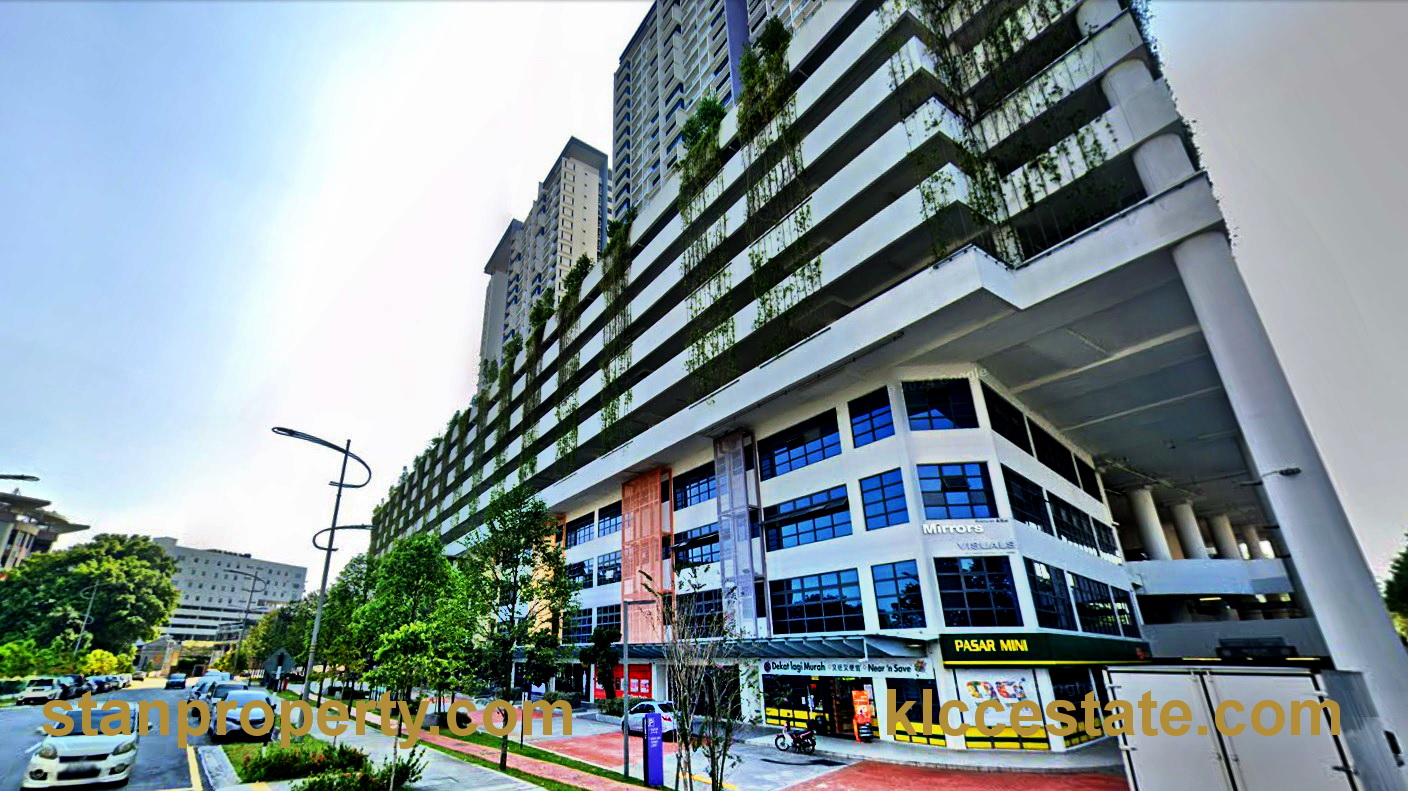
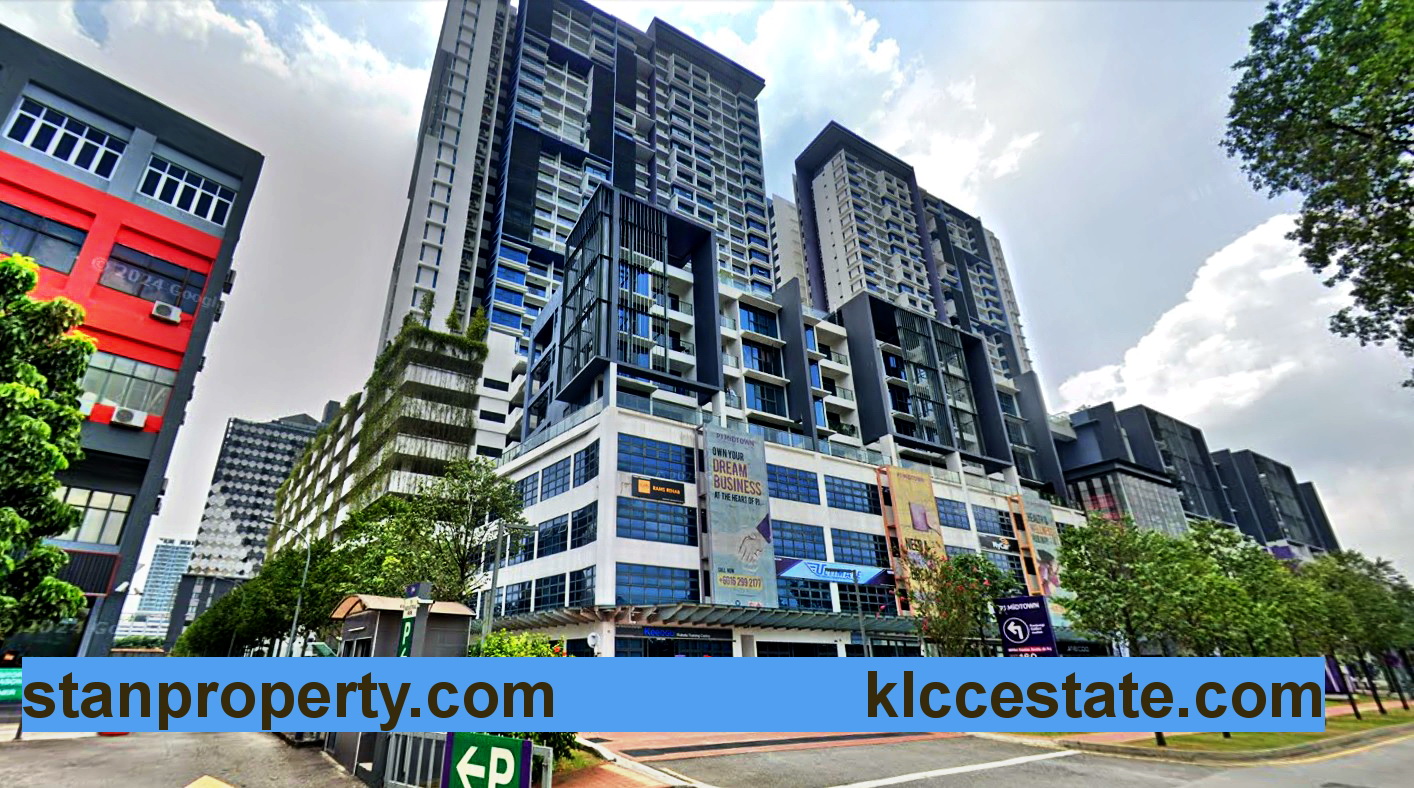
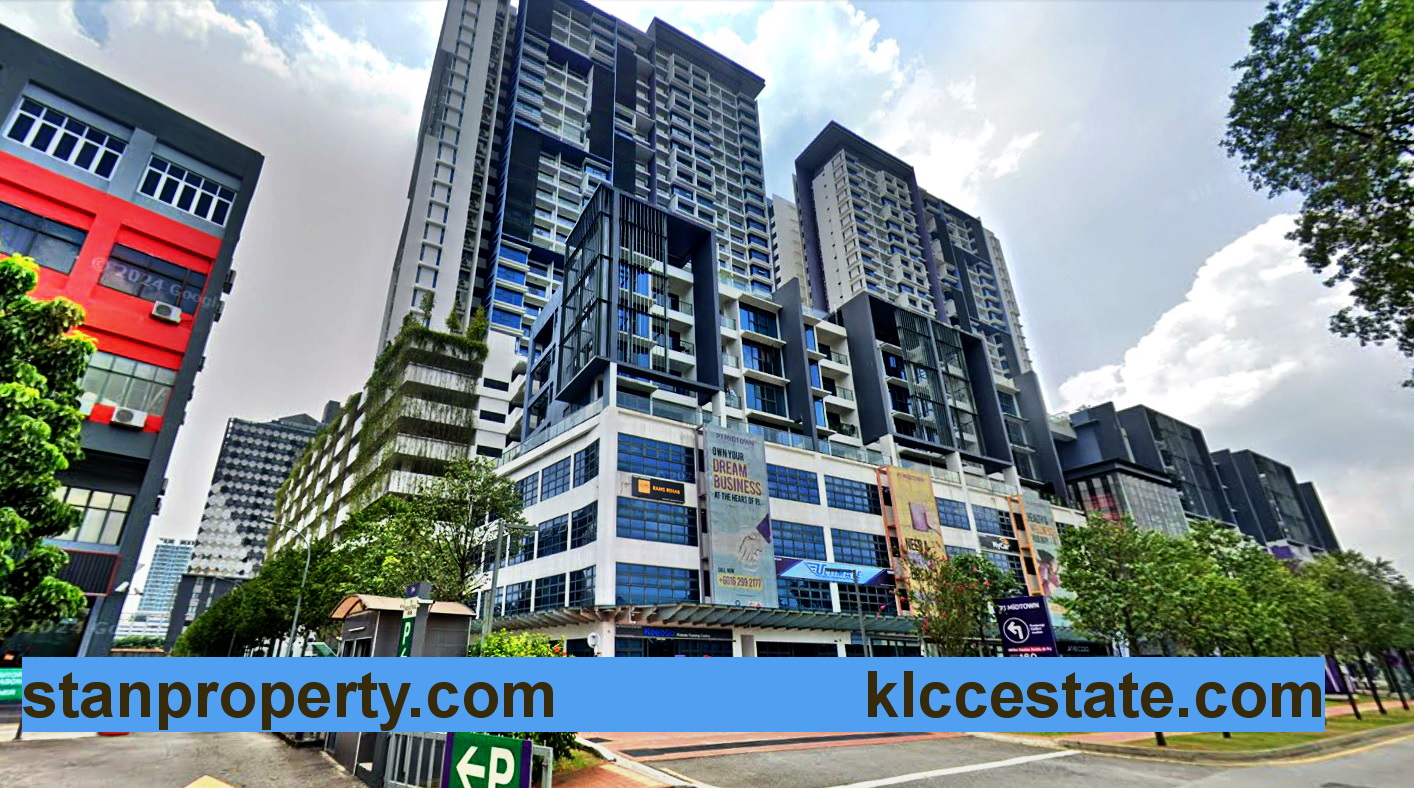
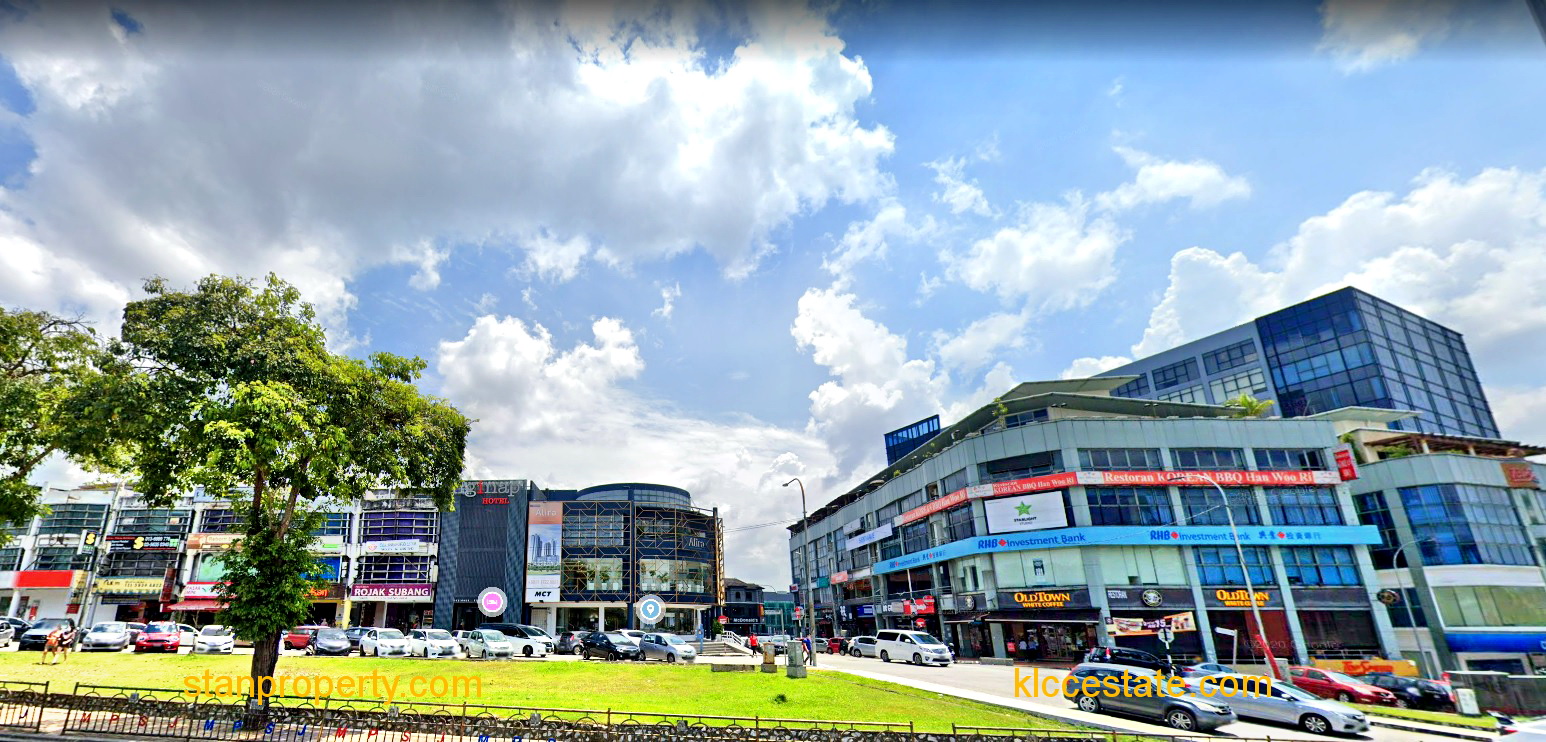
PJ Midtown, enjoys prominent main road frontage with excellent visibi..
| Others | Others | 44 | RM 4,320,000 |
| Bed | Bath | View | 3,477 sfRinggit Malaysia |
|---|---|---|---|
| stanprop 214 hours | |||
PJ Mall Shop, enjoys prominent main road frontage with excellent visi..
| Others | Others | 33 | RM 4,320,000 |
| Bed | Bath | View | 3,477 sfRinggit Malaysia |
|---|---|---|---|
| stanprop 214 hours | |||
Binjai on the park Penthouse, the most luxurious Double storey penthou..
| 5 | 5 | 706 | RM 18,000,000 |
| Bed | Bath | View | 7,200 sfRinggit Malaysia |
|---|---|---|---|
| stanprop 250 hours | |||
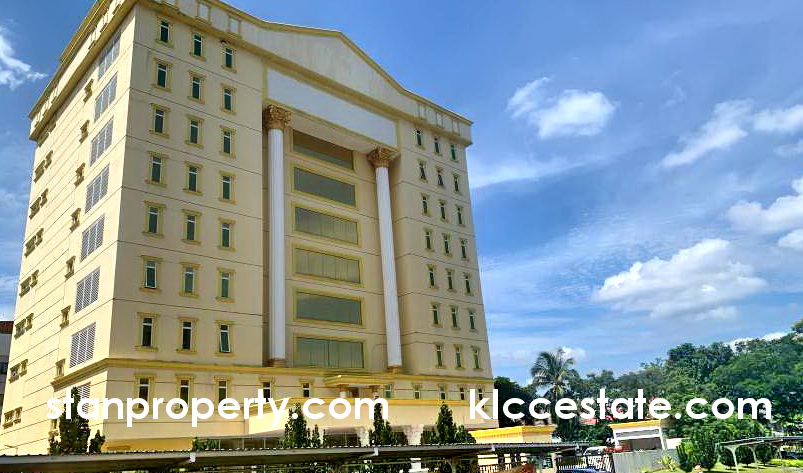
Subang Building, 11 Storey, Modern Design. Prime centre location, Exc..
| Others | Others | 545 | RM 65,000,000 |
| Bed | Bath | View | 101,662 sfRinggit Malaysia |
|---|---|---|---|
| stanprop 250 hours | |||
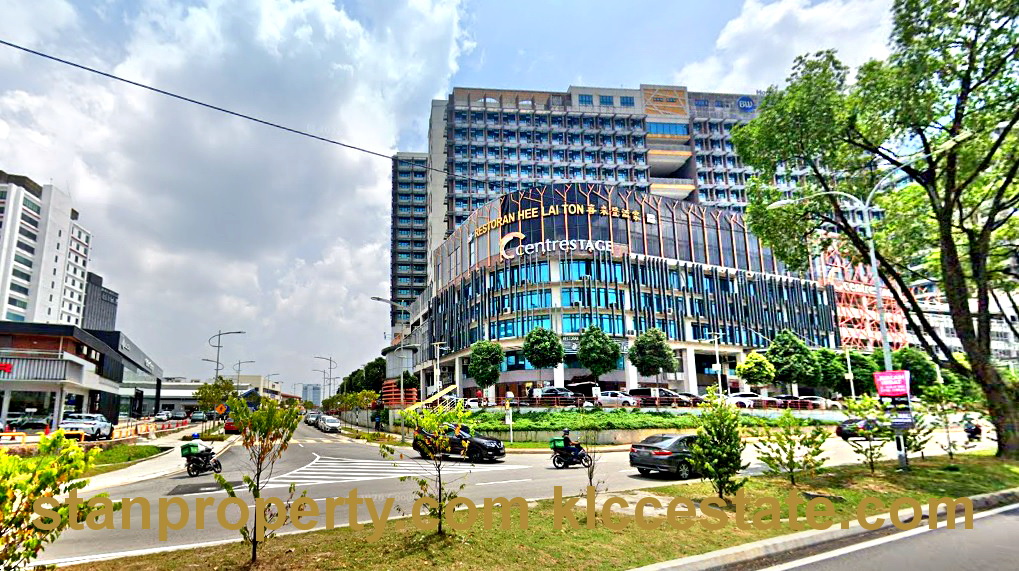
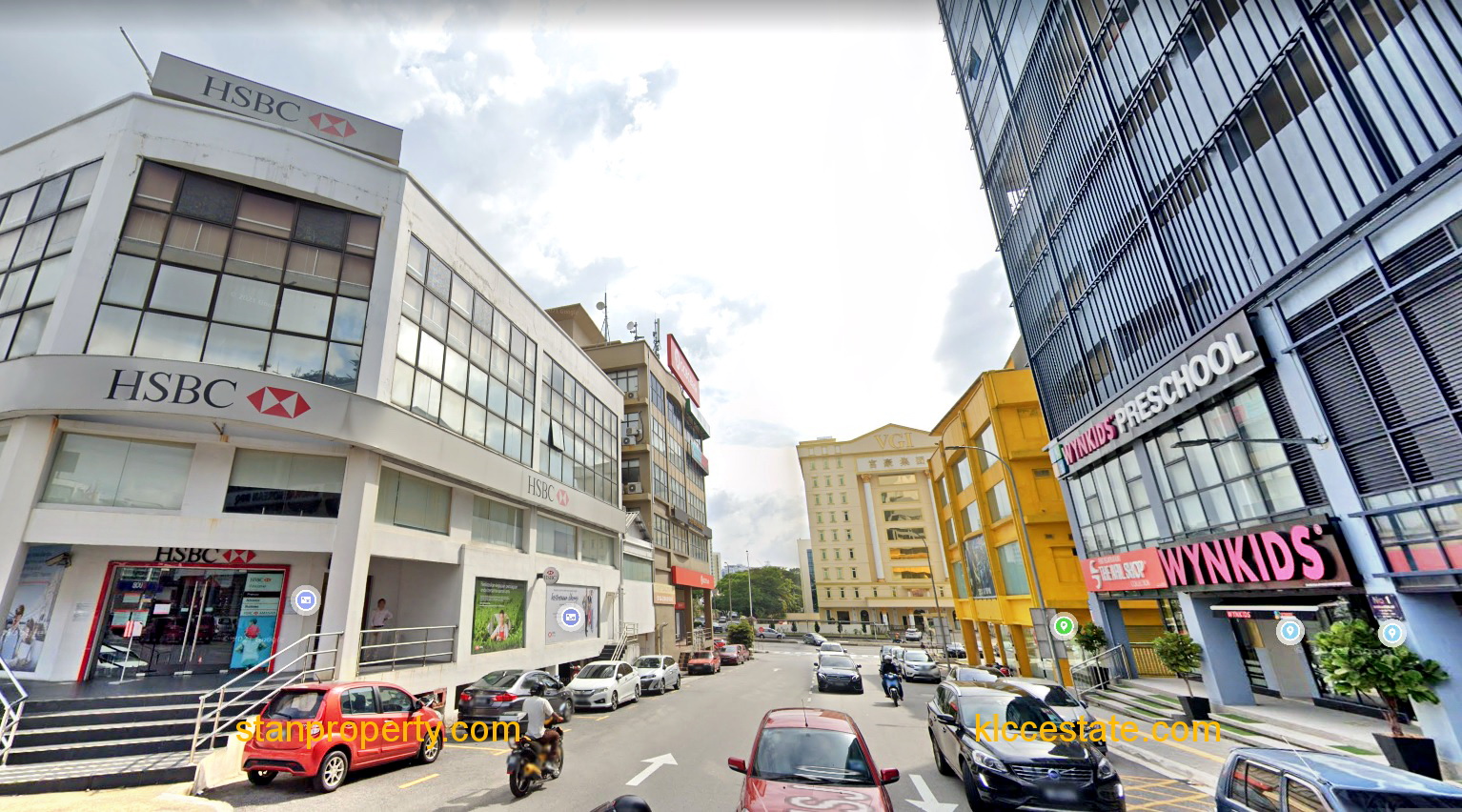
Centrestage PJ Shop Office Block, enjoys prominent main road frontage ..
| Others | Others | 51 | RM 10,187,200 |
| Bed | Bath | View | 25,468 sfRinggit Malaysia |
|---|---|---|---|
| stanprop 379 hours | |||
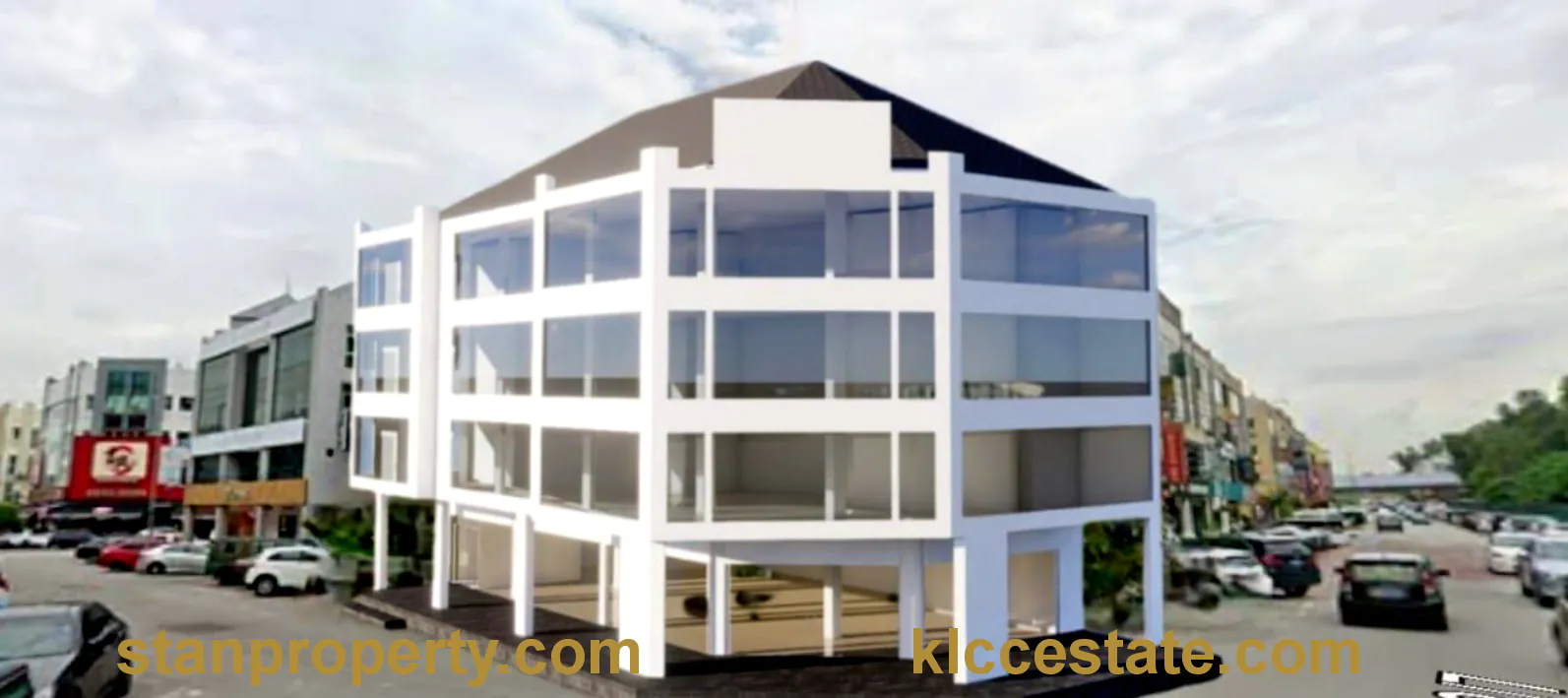
Centrestage PJ, enjoys prominent main road frontage 4 storey Block wit..
| Others | Others | 53 | RM 5,813,020 |
| Bed | Bath | View | 12,637 sfRinggit Malaysia |
|---|---|---|---|
| stanprop 379 hours | |||
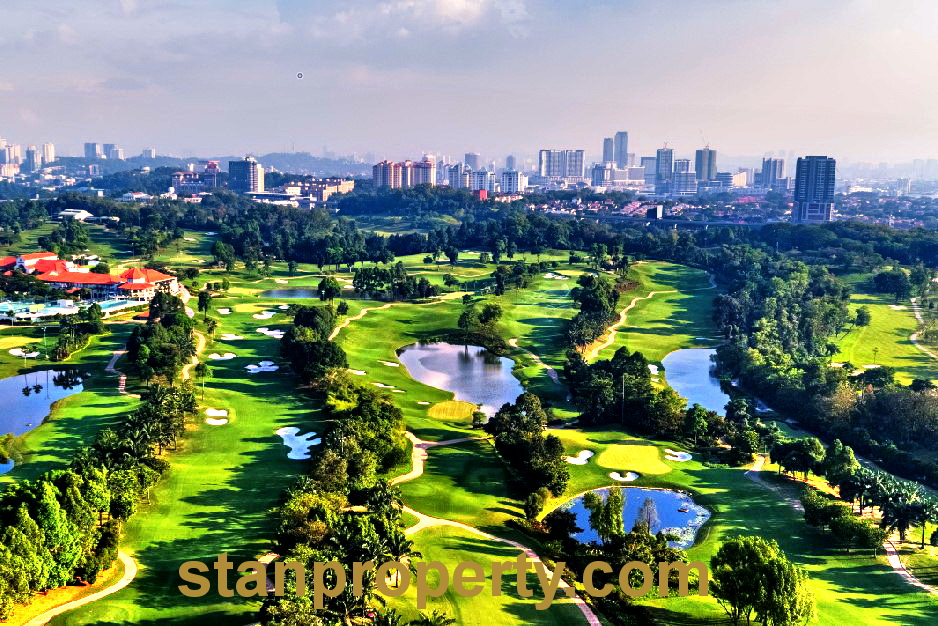
Bungalow For Sale in Bukit Jalil Golf & Country Resort contemporary ..
| >12 | >12 | 87 | RM 15,000,000 |
| Bed | Bath | View | 11,000 sfRinggit Malaysia |
|---|---|---|---|
| stanprop 716 hours | |||
Bukit Jalil Golf & Country Resort contemporary modern bungalow locate..
| >12 | >12 | 77 | RM 15,000,000 |
| Bed | Bath | View | 11,000 sfRinggit Malaysia |
|---|---|---|---|
| stanprop 716 hours | |||
Bukit Jalil contemporary modern bungalow located on the most exclusive..
| >12 | >12 | 1406 | RM 15,000,000 |
| Bed | Bath | View | 11,000 sfRinggit Malaysia |
|---|---|---|---|
| stanprop 730 hours | |||
Cheap Semi D, Mesra Terrace 3 Storey Semi-D is an exclusive landed ho..
| 4 | 4 | 116 | RM 2,350,000 |
| Bed | Bath | View | 3,672 sfRinggit Malaysia |
|---|---|---|---|
| stanprop 1081 hours | |||
Cheras Shop, Taman Suria Jaya, is a mid-rise commercial building typic..
| Others | Others | 133 | RM 1,250,000 |
| Bed | Bath | View | 6,000 sfRinggit Malaysia |
|---|---|---|---|
| stanprop 1090 hours | |||
Cheras 4 Storey Shop, Taman Suria Jaya, is a mid-rise commercial build..
| Others | Others | 141 | RM 1,250,000 |
| Bed | Bath | View | 6,000 sfRinggit Malaysia |
|---|---|---|---|
| stanprop 1091 hours | |||
Dutamas Semi D, Mesra Terrace 3 Storey Semi-D is an exclusive landed ..
| 4 | 4 | 90 | RM 2,350,000 |
| Bed | Bath | View | 3,672 sfRinggit Malaysia |
|---|---|---|---|
| stanprop 1120 hours | |||
Mesra Terrace 3 Storey Semi-D is an exclusive landed home within a gat..
| 4 | 4 | 100 | RM 2,350,000 |
| Bed | Bath | View | 3,672 sfRinggit Malaysia |
|---|---|---|---|
| stanprop 1121 hours | |||
Seremban Senawang Shop, double storey end lot is positioned in a livel..
| Others | Others | 94 | RM 530,000 |
| Bed | Bath | View | 3,200 sfRinggit Malaysia |
|---|---|---|---|
| stanprop 1128 hours | |||
Senawang Shop, double storey end lot is positioned in a lively and wel..
| Others | Others | 112 | RM 530,000 |
| Bed | Bath | View | 3,200 sfRinggit Malaysia |
|---|---|---|---|
| stanprop 1128 hours | |||
Bandar Senawang Shop, double storey end lot is positioned in a lively ..
| Others | Others | 108 | RM 530,000 |
| Bed | Bath | View | 3,200 sfRinggit Malaysia |
|---|---|---|---|
| stanprop 1144 hours | |||
Penthouse PJ, the Exclusive Luxury Penthouse in PJ Taman Megah, Strate..
| 3 | 4 | 254 | RM 3,500,000 |
| Bed | Bath | View | 2,627 sfRinggit Malaysia |
|---|---|---|---|
| stanprop 1227 hours | |||
PJ Penthouse, the Exclusive Luxury Penthouse in PJ Taman Megah, Strate..
| 3 | 4 | 175 | RM 3,500,000 |
| Bed | Bath | View | 2,627 sfRinggit Malaysia |
|---|---|---|---|
| stanprop 1227 hours | |||
PJ Building, 3 Storey Office with Lift and Double storey Warehouse, Ve..
| Others | Others | 448 | RM 65,000,000 |
| Bed | Bath | View | 65,600 sfRinggit Malaysia |
|---|---|---|---|
| stanprop 1381 hours | |||
Jendela Residences @ KLGCC offers premier high-rise living beside the ..
| 4 | 4 | 1256 | RM 3,388,888 |
| Bed | Bath | View | 1,884 sfRinggit Malaysia |
|---|---|---|---|
| stanprop 1474 hours | |||
Jendela Residences KLGCC offers premier high-rise living beside the Ku..
| 3 | 2 | 354 | RM 2,339,288 |
| Bed | Bath | View | 1,539 sfRinggit Malaysia |
|---|---|---|---|
| stanprop 1474 hours | |||
Jendela Residences @ KLGCC offers premier high-rise living beside the ..
| 3 | 2 | 2775 | RM 1,788,000 |
| Bed | Bath | View | 1,324 sfRinggit Malaysia |
|---|---|---|---|
| stanprop 1474 hours | |||
Damansara Perdana Office for sale, Boutique Lifestyle Office, High Cei..
| Others | Others | 532 | RM 3,097,200 |
| Bed | Bath | View | 4,227 sfRinggit Malaysia |
|---|---|---|---|
| stanprop 5651 hours | |||
Damansara Perdana Office, Boutique Lifestyle Office, High Ceiling, Exc..
| Others | Others | 676 | RM 877,540 |
| Bed | Bath | View | 2,090 sfRinggit Malaysia |
|---|---|---|---|
| stanprop 5652 hours | |||
PJ Bungalow for sale, Luxury Design with Big Land, exclusivity and lux..
| 5 | 4 | 6469 | RM 4,336,080 |
| Bed | Bath | View | 5,000 sfRinggit Malaysia |
|---|---|---|---|
| stanprop 5665 hours | |||
Gasing House,strategic location double storey terrace houses in Taman ..
| 4 | 3 | 665 | RM 1,135,640 |
| Bed | Bath | View | 1,500 sfRinggit Malaysia |
|---|---|---|---|
| stanprop 5665 hours | |||
Gasing Terrace House,strategic location double storey terrace houses i..
| 4 | 3 | 648 | RM 887,864 |
| Bed | Bath | View | 1,500 sfRinggit Malaysia |
|---|---|---|---|
| stanprop 5665 hours | |||
Wisma for sale, 11 Storey, Modern Design. Prime centre location, Excel..
| Others | Others | 12983 | RM 65,000,000 |
| Bed | Bath | View | 101,662 sfRinggit Malaysia |
|---|---|---|---|
| stanprop 6025 hours | |||
Building, 11 Storey, Modern Design. Prime centre location, Excellent f..
| Others | Others | 680 | RM 65,000,000 |
| Bed | Bath | View | 101,662 sfRinggit Malaysia |
|---|---|---|---|
| stanprop 6025 hours | |||
Centrestage PJ Office, enjoys prominent main road frontage Second floo..
| Others | Others | 50 | RM 2,395 |
| Bed | Bath | View | 958 sfRinggit Malaysia |
|---|---|---|---|
| stanprop 380 hours | |||
Centrestage PJ Retail Lot, enjoys prominent main road frontage first f..
| Others | Others | 56 | RM 5,900 |
| Bed | Bath | View | 1,475 sfRinggit Malaysia |
|---|---|---|---|
| stanprop 380 hours | |||
Prime retail lot at Centrestage Petaling Jaya with main road frontage,..
| Others | Others | 49 | RM 33,582 |
| Bed | Bath | View | 5,597 sfRinggit Malaysia |
|---|---|---|---|
| stanprop 380 hours | |||
Prime retail lot at Centrestage Petaling Jaya with main road frontage,..
| Others | Others | 49 | RM 8,235 |
| Bed | Bath | View | 1,647 sfRinggit Malaysia |
|---|---|---|---|
| stanprop 380 hours | |||
Bukit Jalil Golf & Country Resort contemporary modern bungalow locate..
| >12 | >12 | 135 | RM 40,000 |
| Bed | Bath | View | 12,000 sfRinggit Malaysia |
|---|---|---|---|
| stanprop 716 hours | |||
PJ Mall Shop, enjoys prominent main road frontage with excellent visi..
| Others | Others | 102 | RM 27,816 |
| Bed | Bath | View | 3,477 sfRinggit Malaysia |
|---|---|---|---|
| stanprop 1121 hours | |||
Bandar Putri Office, features a modern full-height tempered glass fron..
| Others | Others | 100 | RM 12,500 |
| Bed | Bath | View | 3,840 sfRinggit Malaysia |
|---|---|---|---|
| stanprop 1145 hours | |||
Corner Shop Office Kuchai Lama Entrepreneurs Park, is fully renovated ..
| Others | Others | 119 | RM 9,500 |
| Bed | Bath | View | 3,300 sfRinggit Malaysia |
|---|---|---|---|
| stanprop 1145 hours | |||
Kota Damansara Corner Shop is located in one of PJ’s most dynamic an..
| Others | Others | 155 | RM 9,500 |
| Bed | Bath | View | 3,300 sfRinggit Malaysia |
|---|---|---|---|
| stanprop 1161 hours | |||
Corner Shop Kota Damansara is located in one of PJ’s most dynamic an..
| Others | Others | 124 | RM 36,000 |
| Bed | Bath | View | 3,300 sfRinggit Malaysia |
|---|---|---|---|
| stanprop 1161 hours | |||
Corner Shop SS2 sits in one of Petaling Jaya’s most vibrant and crow..
| Others | Others | 139 | RM 16,000 |
| Bed | Bath | View | 3,300 sfRinggit Malaysia |
|---|---|---|---|
| stanprop 1162 hours | |||
PJ Corner Shop sits in one of Petaling Jaya’s most vibrant and crowd..
| Others | Others | 120 | RM 49,000 |
| Bed | Bath | View | 3,300 sfRinggit Malaysia |
|---|---|---|---|
| stanprop 1162 hours | |||
Corner Shop Medan Niaga Tasik Damai in Sungai Besi is set within a bu..
| Others | Others | 143 | RM 8,000 |
| Bed | Bath | View | 3,300 sfRinggit Malaysia |
|---|---|---|---|
| stanprop 1162 hours | |||
Corner Shop Medan Niaga Tasik Damai in Sungai Besi is set within a bu..
| Others | Others | 127 | RM 36,000 |
| Bed | Bath | View | 3,300 sfRinggit Malaysia |
|---|---|---|---|
| stanprop 1163 hours | |||
Taipan USJ Shop,Ground floor corner lot with main road frontage and ex..
| Others | Others | 131 | RM 22,000 |
| Bed | Bath | View | 3,000 sfRinggit Malaysia |
|---|---|---|---|
| stanprop 1381 hours | |||
Taipan Shop For Rent,Ground floor corner lot with main road frontage a..
| Others | Others | 126 | RM 30,000 |
| Bed | Bath | View | 4,000 sfRinggit Malaysia |
|---|---|---|---|
| stanprop 1381 hours | |||
Boulevard Service Apartment for Rent featuring a fully furnished layou..
| 2 | 2 | 143 | RM 2,200 |
| Bed | Bath | View | 610 sfRinggit Malaysia |
|---|---|---|---|
| stanprop 1402 hours | |||
Jendela KLGCC For Rent offers elegant high-rise living beside KLGCC a..
| 4 | 4 | 478 | RM 11,000 |
| Bed | Bath | View | 1,884 sfRinggit Malaysia |
|---|---|---|---|
| stanprop 1452 hours | |||
Jendela Residences KLGCC offers elegant high-rise living beside KLGCC ..
| 3 | 2 | 566 | RM 8,700 |
| Bed | Bath | View | 1,539 sfRinggit Malaysia |
|---|---|---|---|
| stanprop 1452 hours | |||
Jendela Residences presents exclusive high-rise living beside the Kual..
| 3 | 2 | 2343 | RM 6,700 |
| Bed | Bath | View | 1,324 sfRinggit Malaysia |
|---|---|---|---|
| stanprop 1452 hours | |||
Puchong Shop, Bandar Putri, end lot, Excellent for investment or own u..
| Others | Others | 541 | RM 6,500 |
| Bed | Bath | View | 1,950 sfRinggit Malaysia |
|---|---|---|---|
| stanprop 5761 hours | |||
PJ Shop for rent, Ground floor Boutique Lifestyle Shop, Excellent for ..
| Others | Others | 677 | RM 35,000 |
| Bed | Bath | View | 6,295 sfRinggit Malaysia |
|---|---|---|---|
| stanprop 5915 hours | |||
PJ Office, Space for Gym,Retail or office, Comfort. Distinctive bold a..
| Others | Others | 1908 | RM 12,000 |
| Bed | Bath | View | 7,380 sfRinggit Malaysia |
|---|---|---|---|
| stanprop 5915 hours | |||
Office for Rent, 11 Storey Roman Empire Design building at subang. Pri..
| Others | Others | 4998 | RM 250,000 |
| Bed | Bath | View | 101,662 sfRinggit Malaysia |
|---|---|---|---|
| stanprop 6025 hours | |||
Puchong PFCC Office at Bandar Putri, Strategically located, modern off..
| Others | Others | 921 | RM 114,150 |
| Bed | Bath | View | 22,830 sfRinggit Malaysia |
|---|---|---|---|
| stanprop 7585 hours | |||
Puchong Office for Rent at Bandar Putri, Strategically located, modern..
| Others | Others | 803 | RM 28,795 |
| Bed | Bath | View | 5,759 sfRinggit Malaysia |
|---|---|---|---|
| stanprop 7585 hours | |||
Puchong Fully Furnished Office at Bandar Putri, Strategically located,..
| Others | Others | 880 | RM 7,395 |
| Bed | Bath | View | 1,275 sfRinggit Malaysia |
|---|---|---|---|
| stanprop 7585 hours | |||
Twin Arkz Bukit Jalil Shop Office, Good for investment or own use, ver..
| Others | Others | 1048 | RM 5,500 |
| Bed | Bath | View | 1,689 sfRinggit Malaysia |
|---|---|---|---|
| stanprop 7669 hours | |||
Glenmarie Showroom Warehouse For Rent at Shah Alam, Very strategic loc..
| Others | Others | 736 | RM 80,000 |
| Bed | Bath | View | 37,000 sfRinggit Malaysia |
|---|---|---|---|
| stanprop 7921 hours | |||
Glenmarie Showroom Warehouse For Rent at Shah Alam, Very strategic loc..
| Others | Others | 749 | RM 30,000 |
| Bed | Bath | View | 6,000 sfRinggit Malaysia |
|---|---|---|---|
| stanprop 7921 hours | |||
KLCC Land
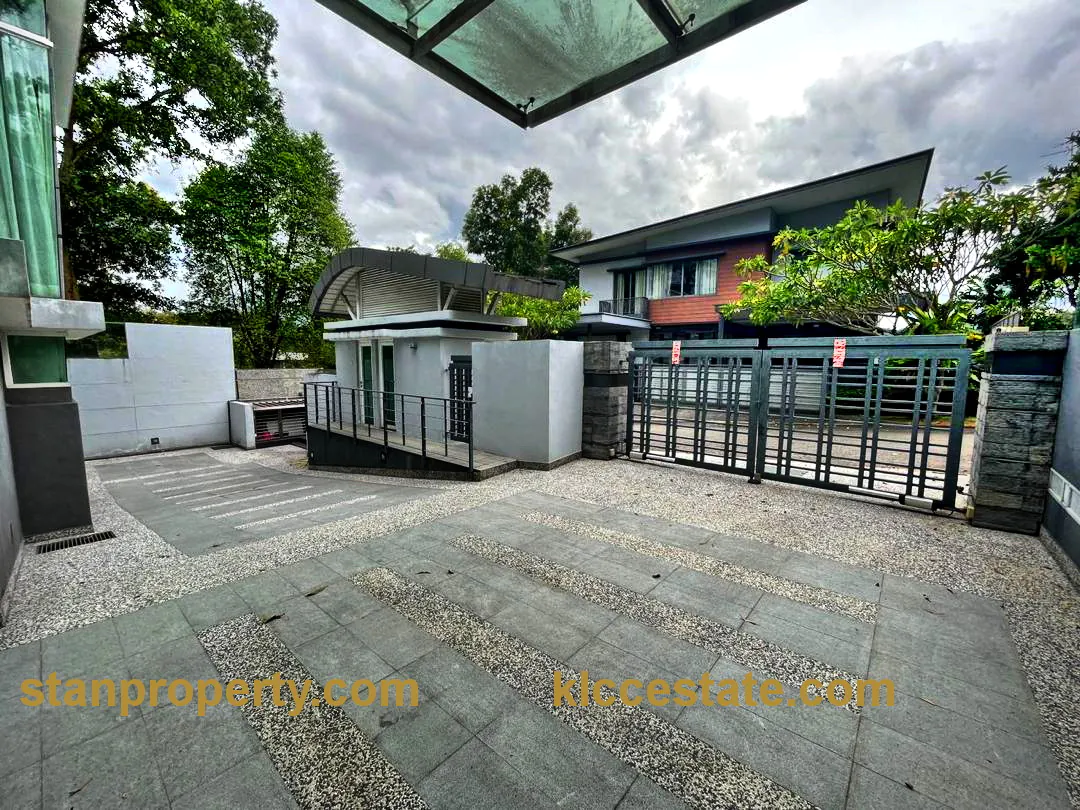
Country Heights Damansara Bungalow
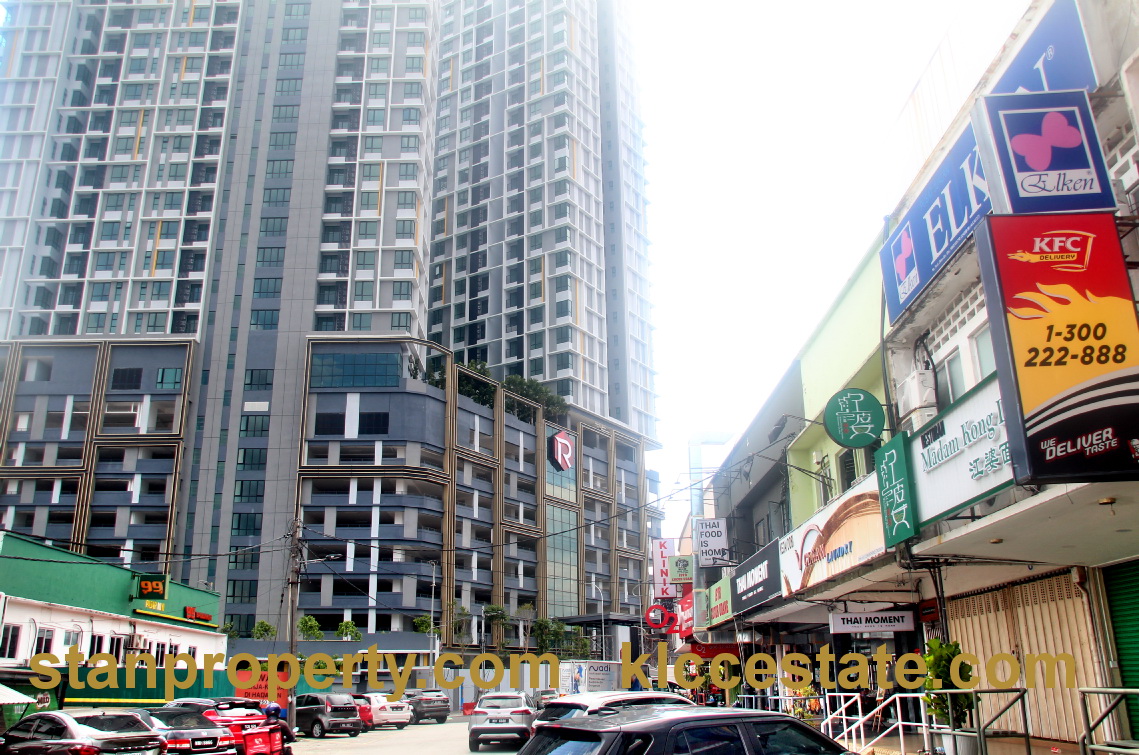
Ruby Seapark For Rent
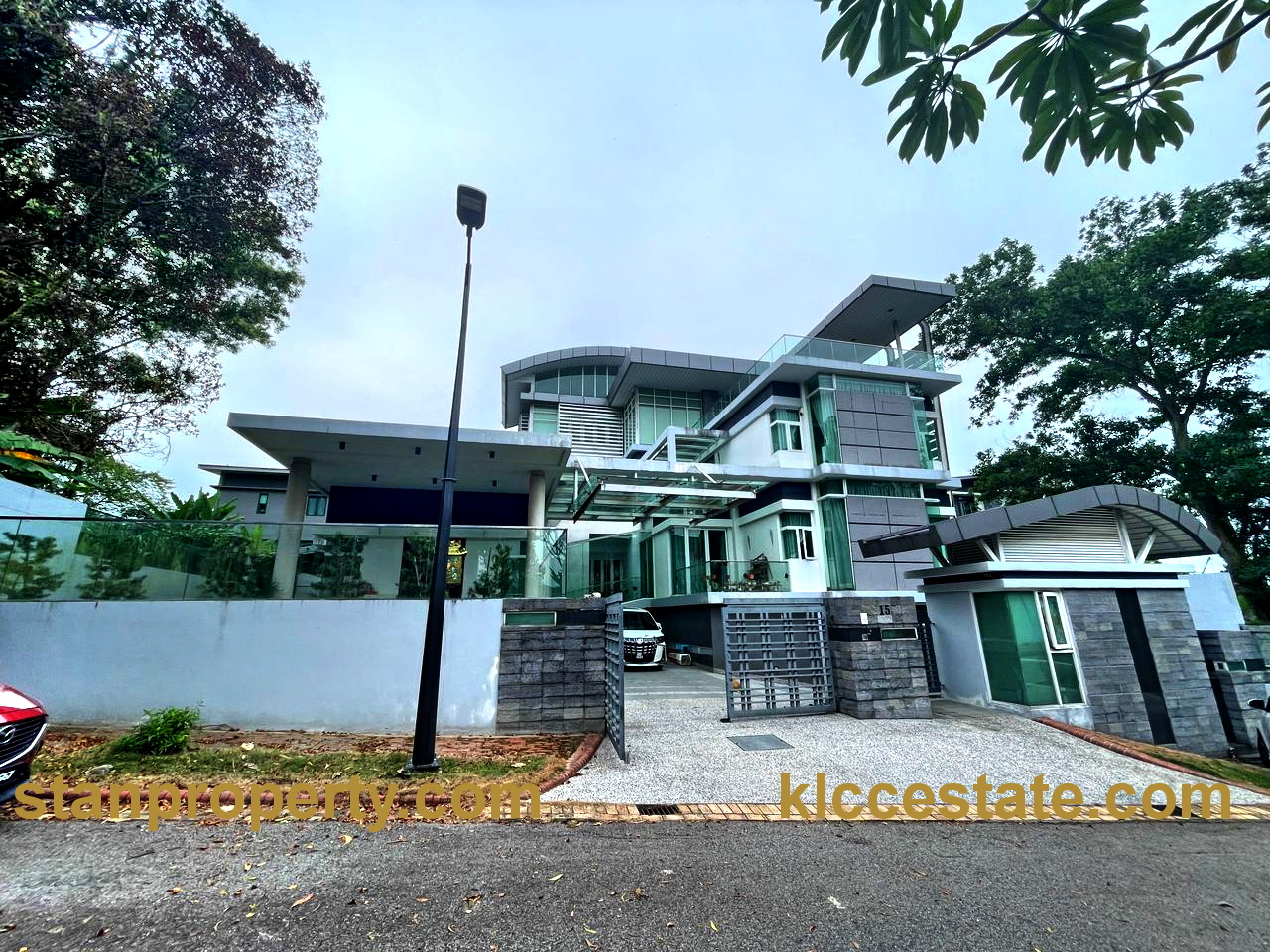
Country Heights Damansara Bungalow
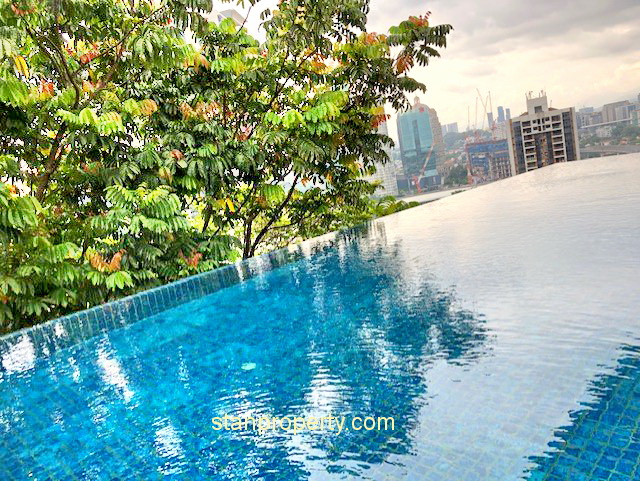
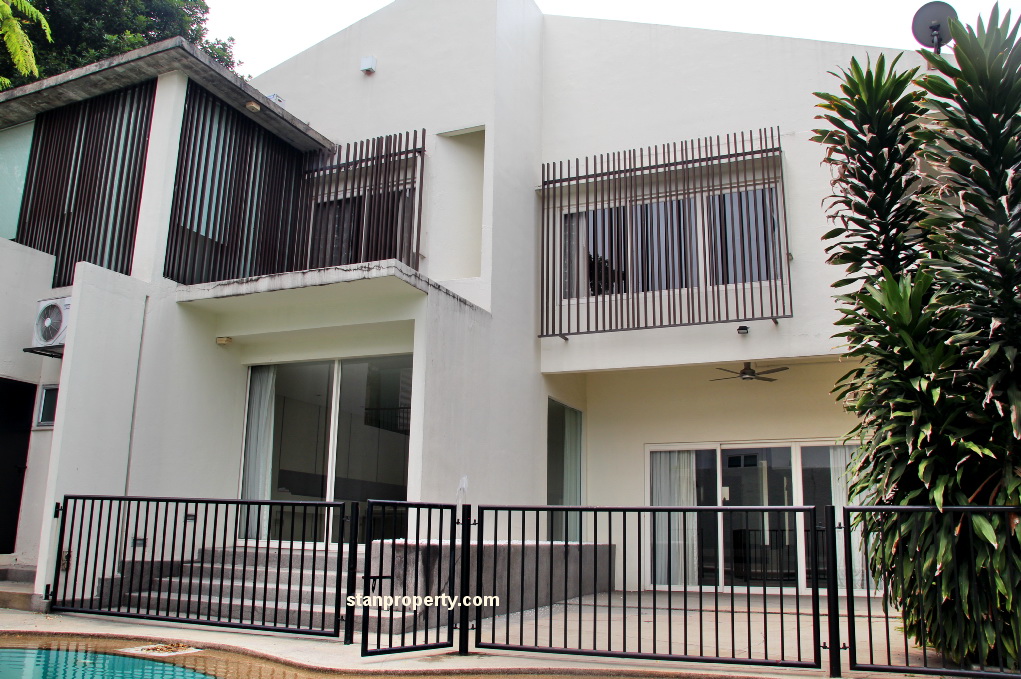
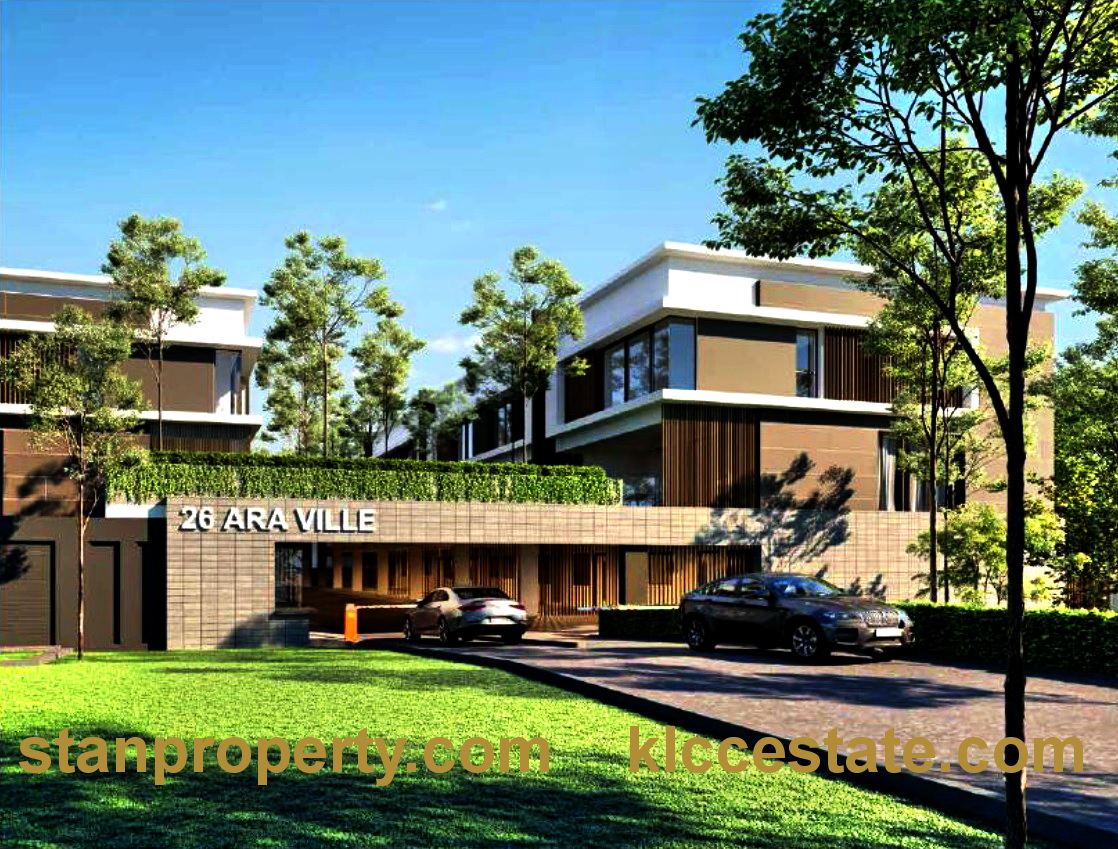
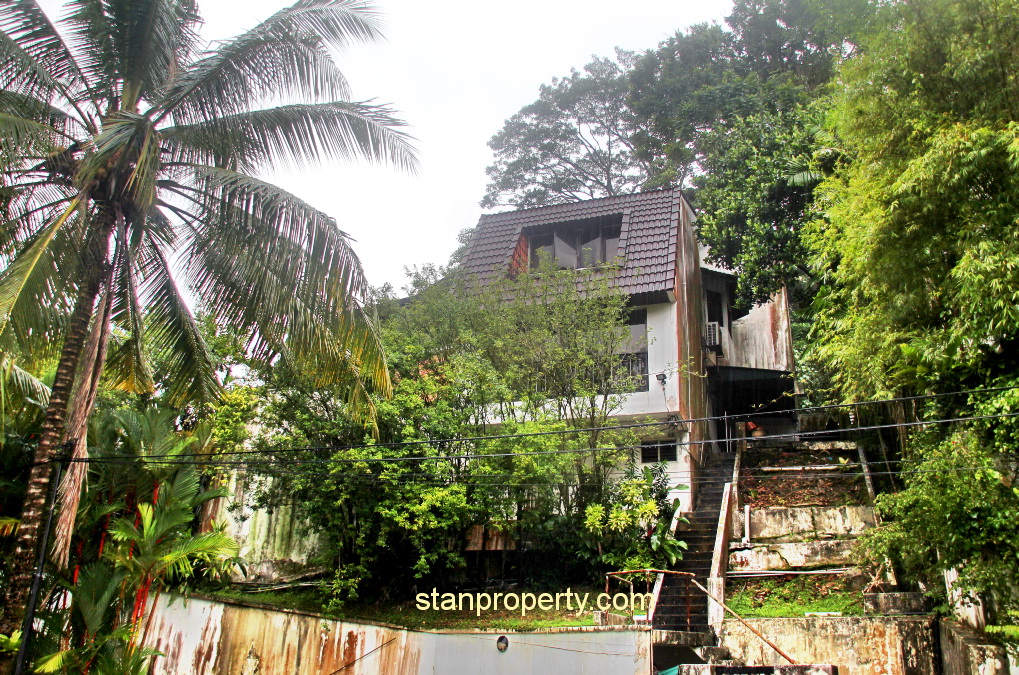
Bangsar Bungalow For Sale
Damansara Heights Bungalow
Terrace House
Bukit Tunku Land
Pavilion Embassy Fully Furnished
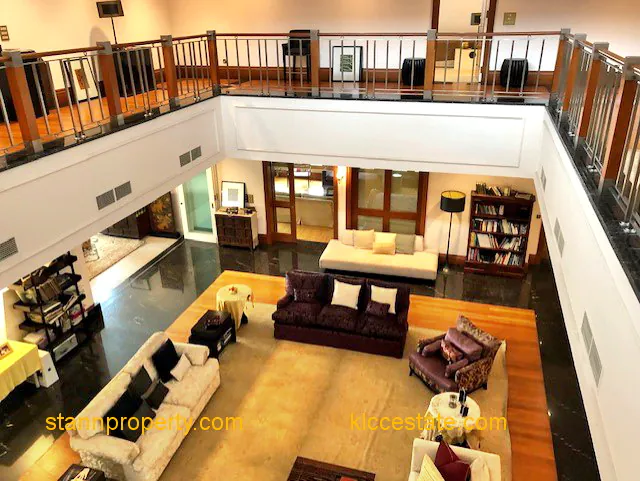
Bangsar Bungalow
Bangsar Bungalow For Sale
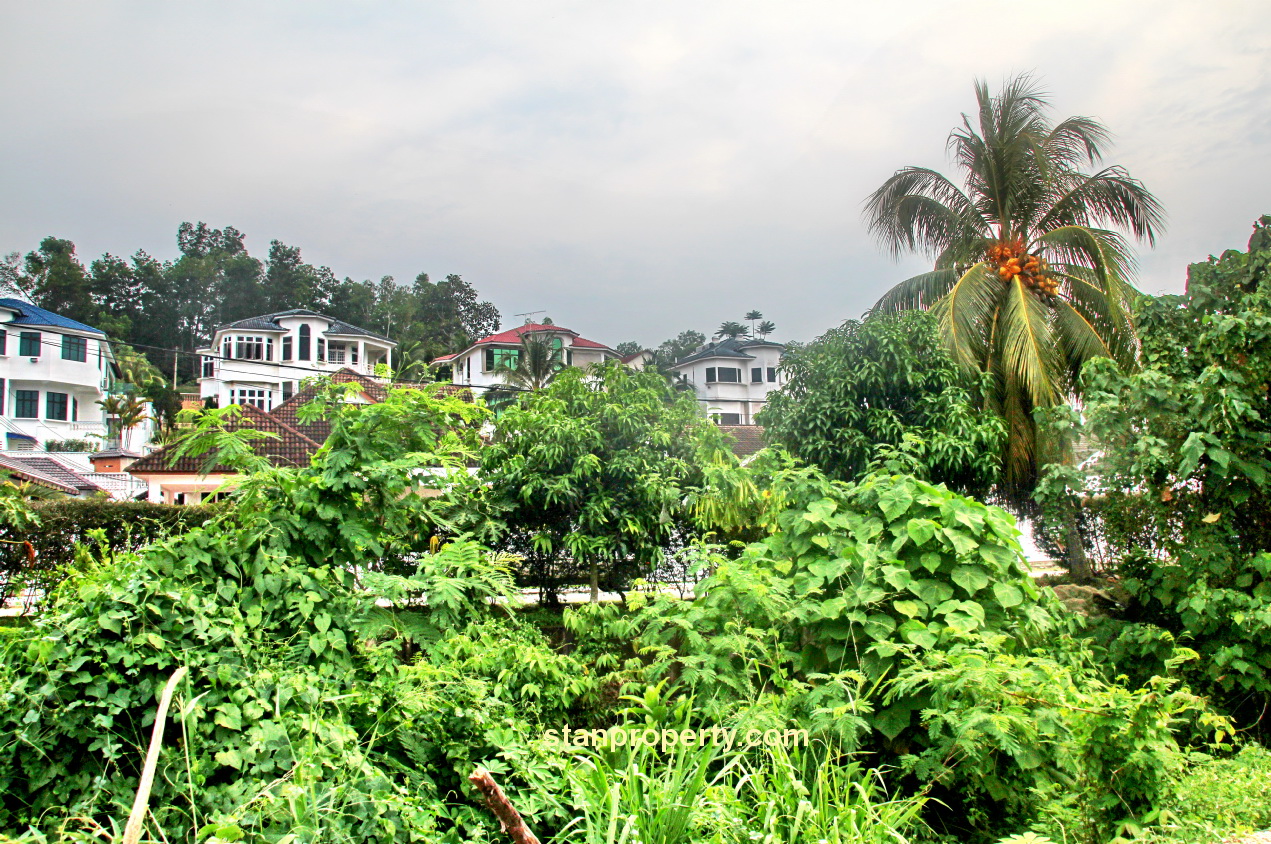
Mentakab Bungalow Land For Sale
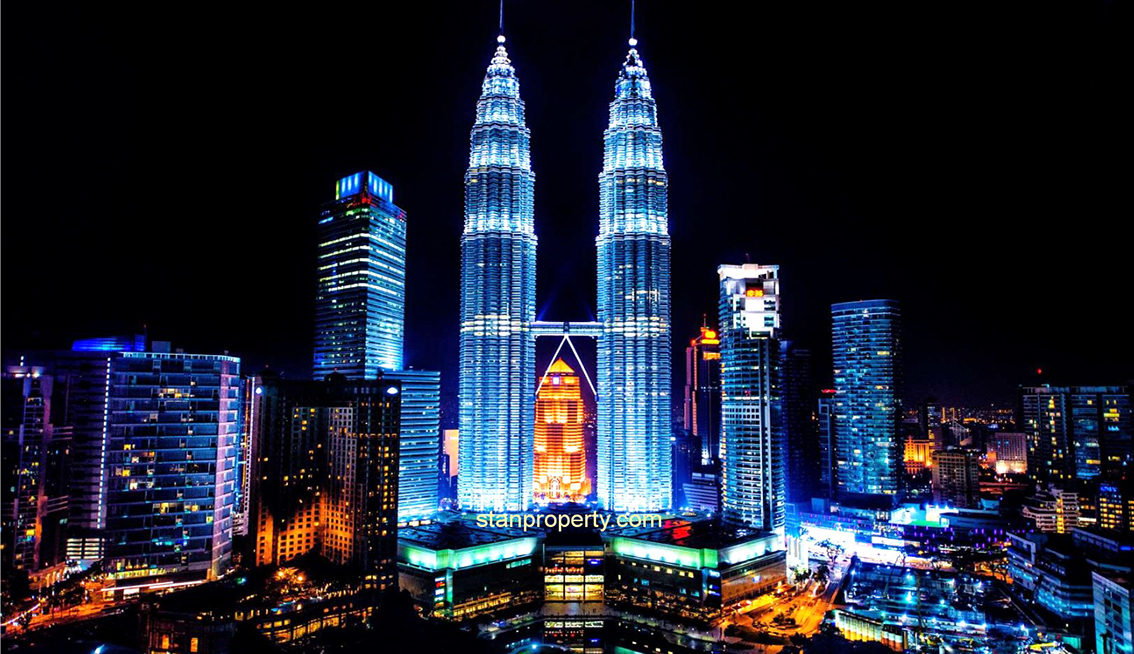
Penthouse
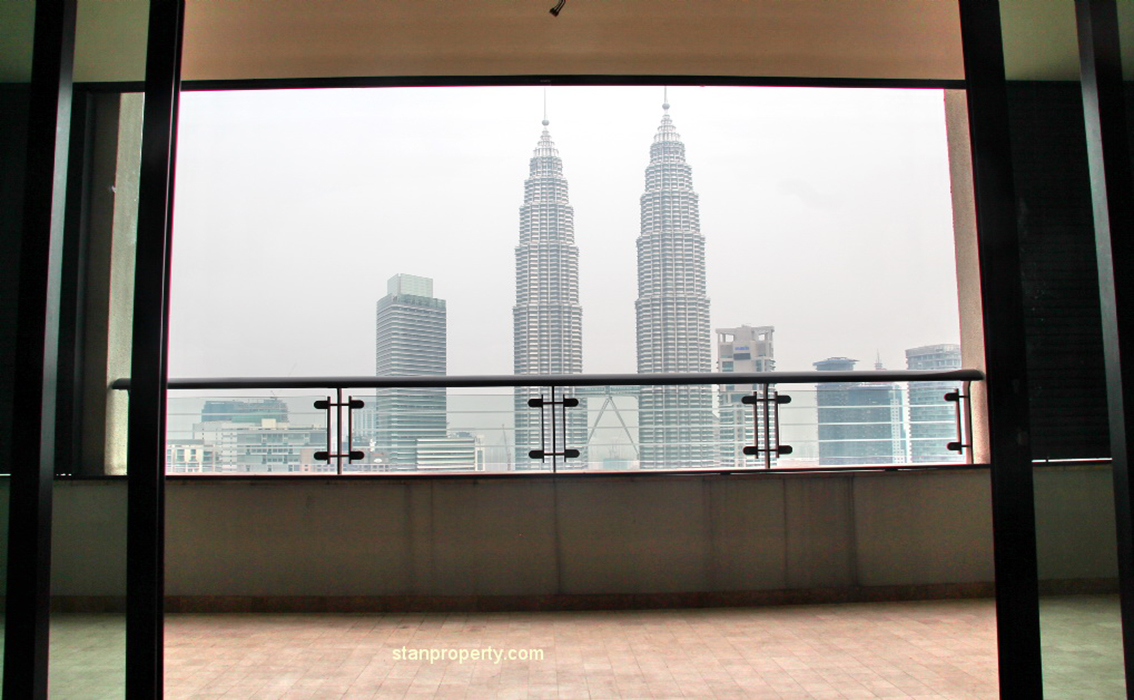
KLCC Penthouse
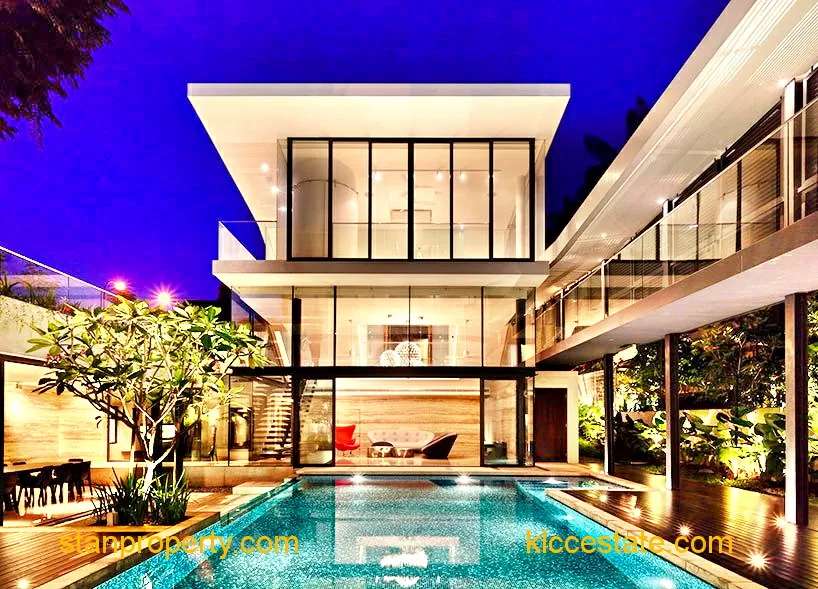
KLCC Bungalow For Sale

















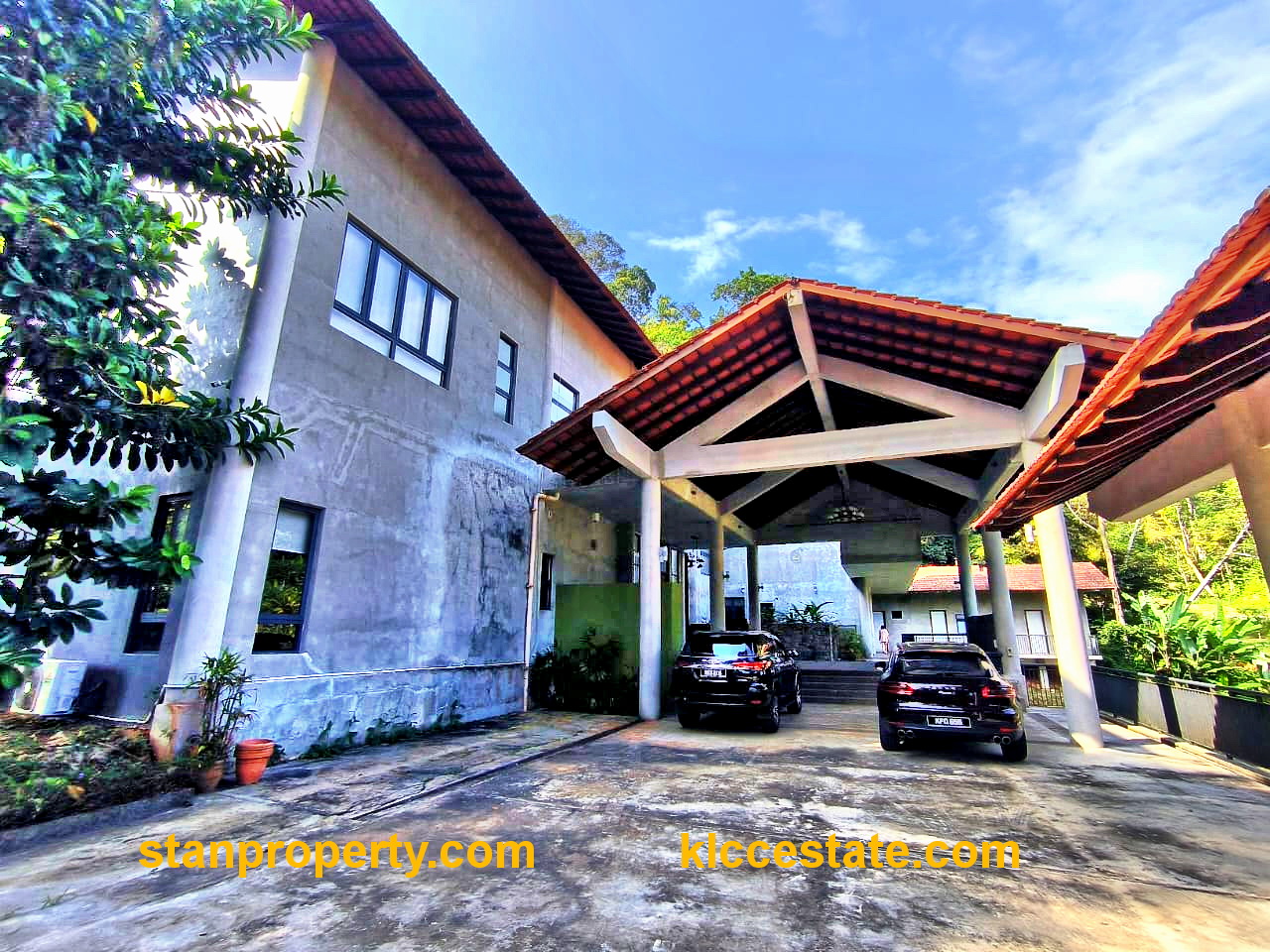
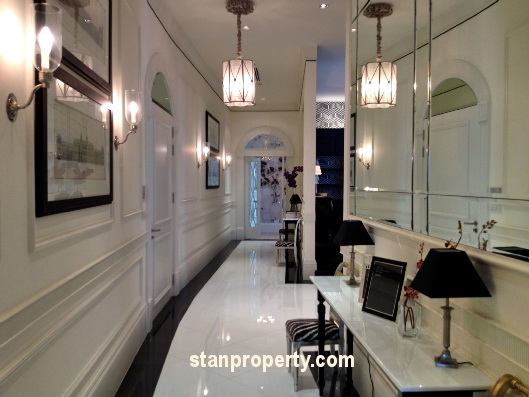
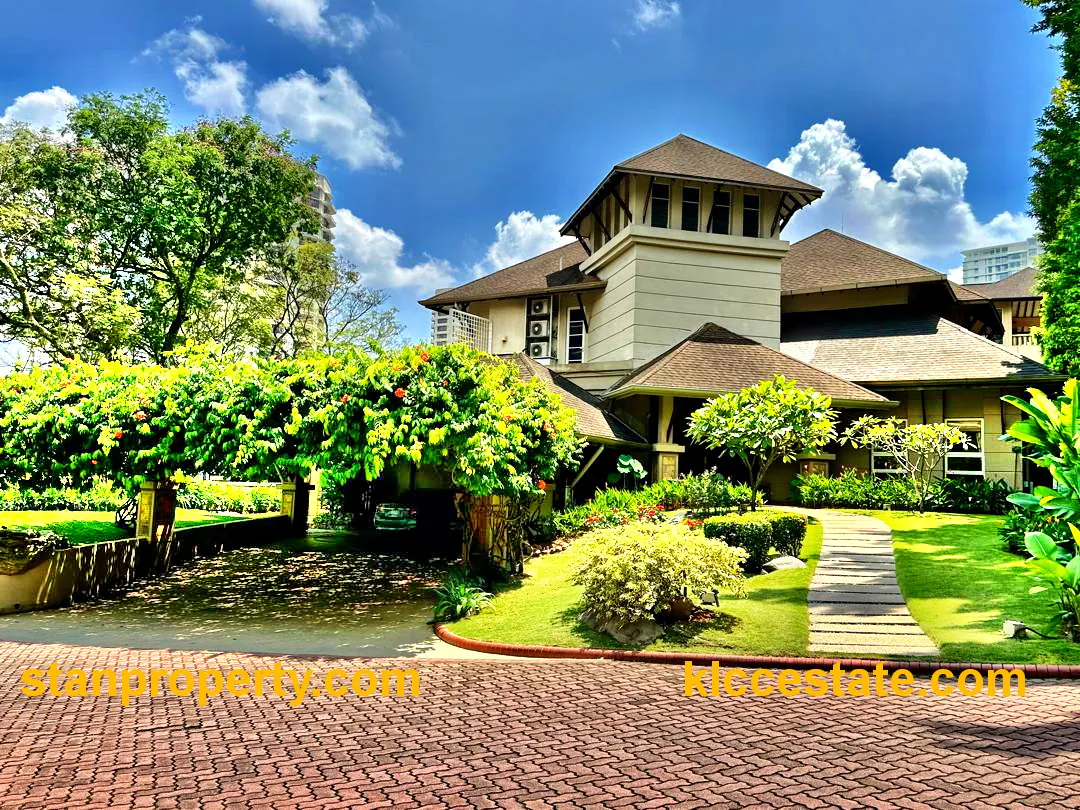

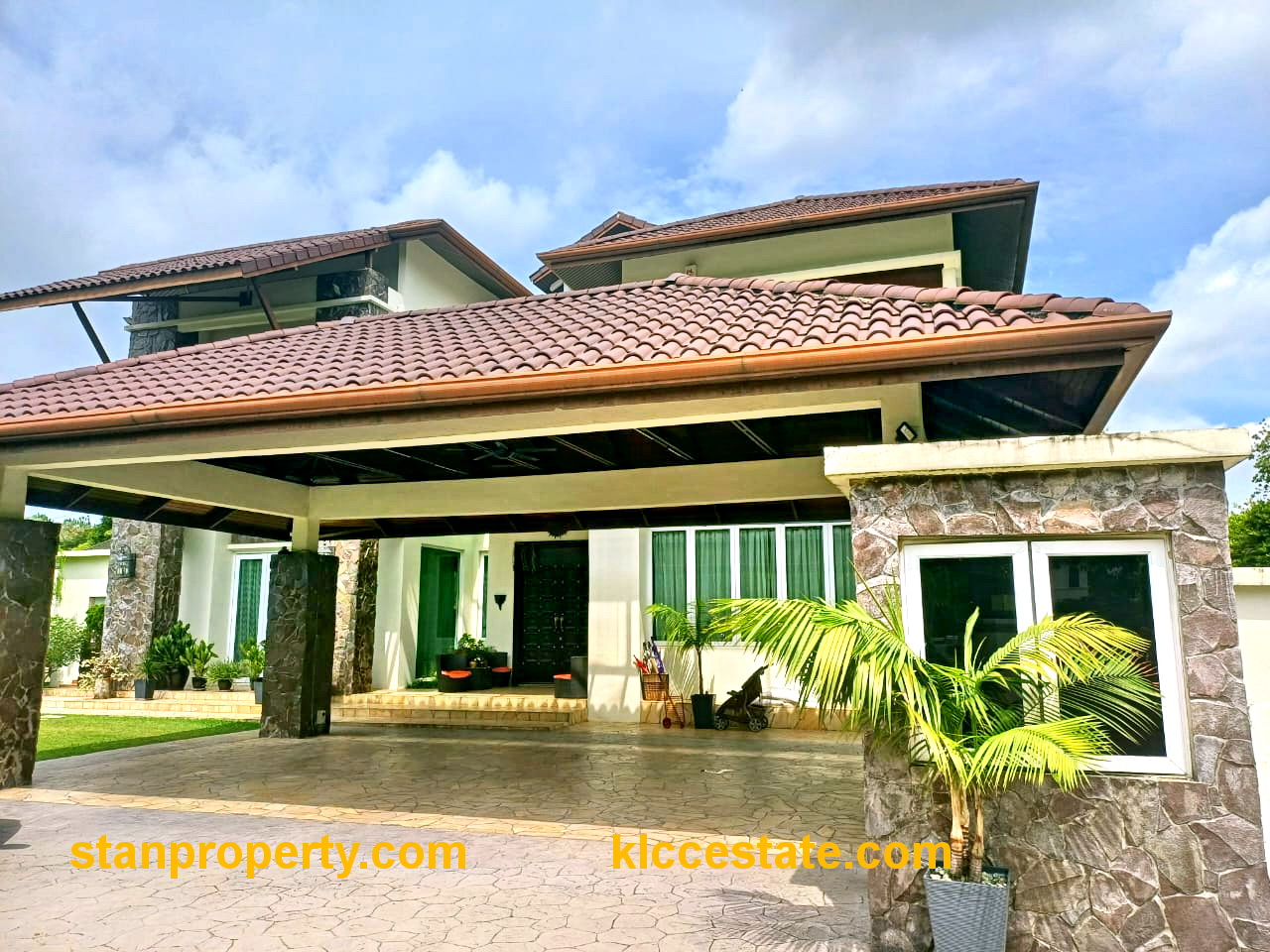

 Photo Gallery
 Video Gallery
 Virtual Tour