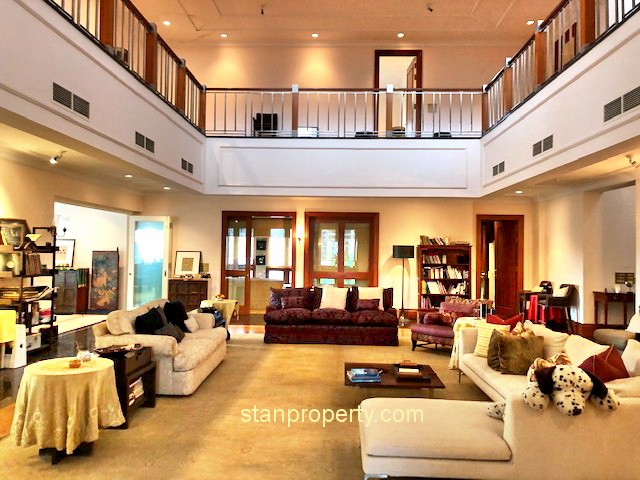
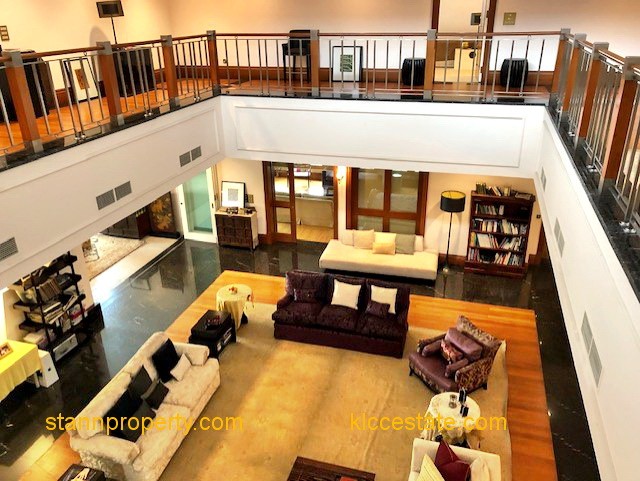
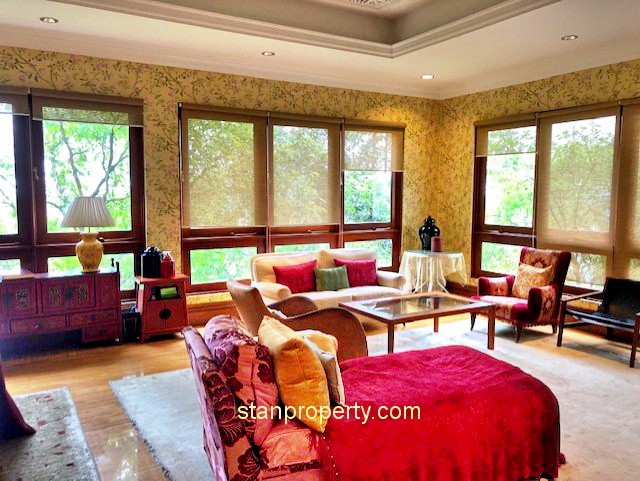
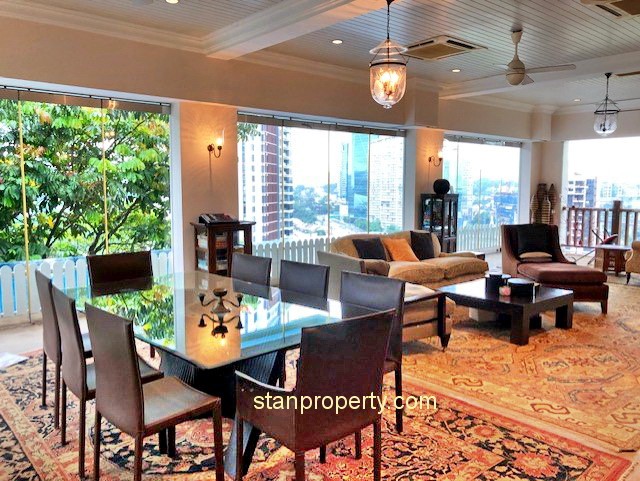
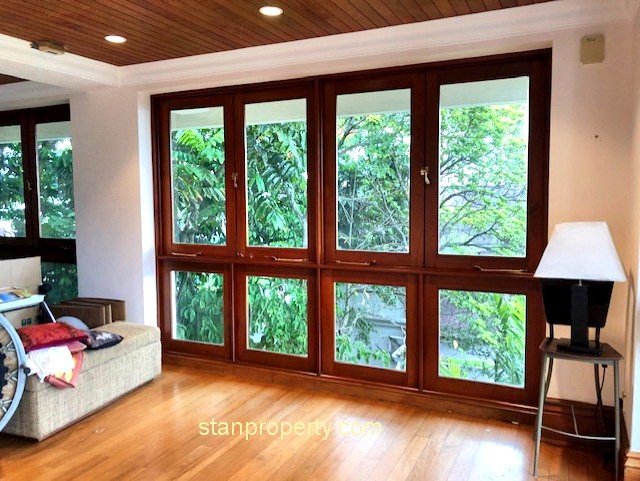
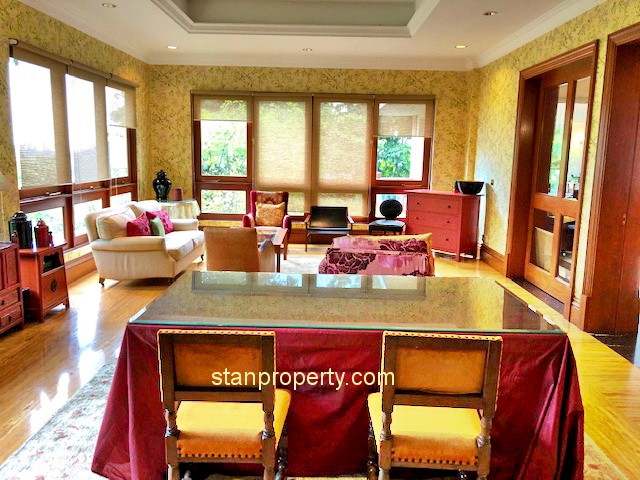
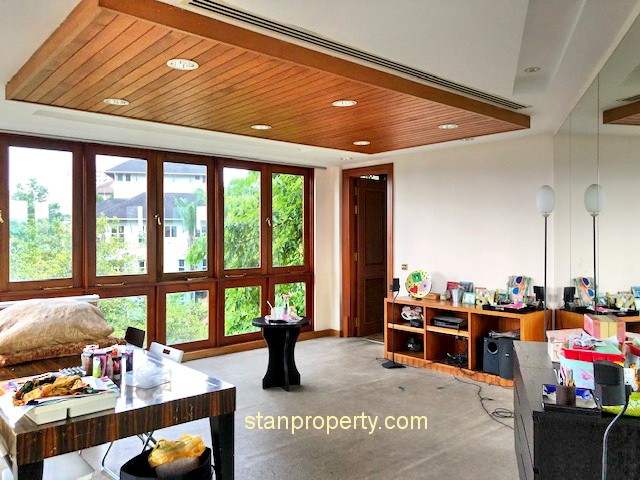
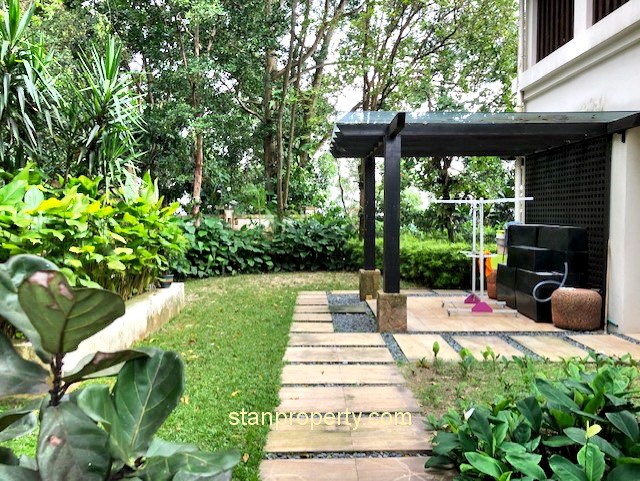
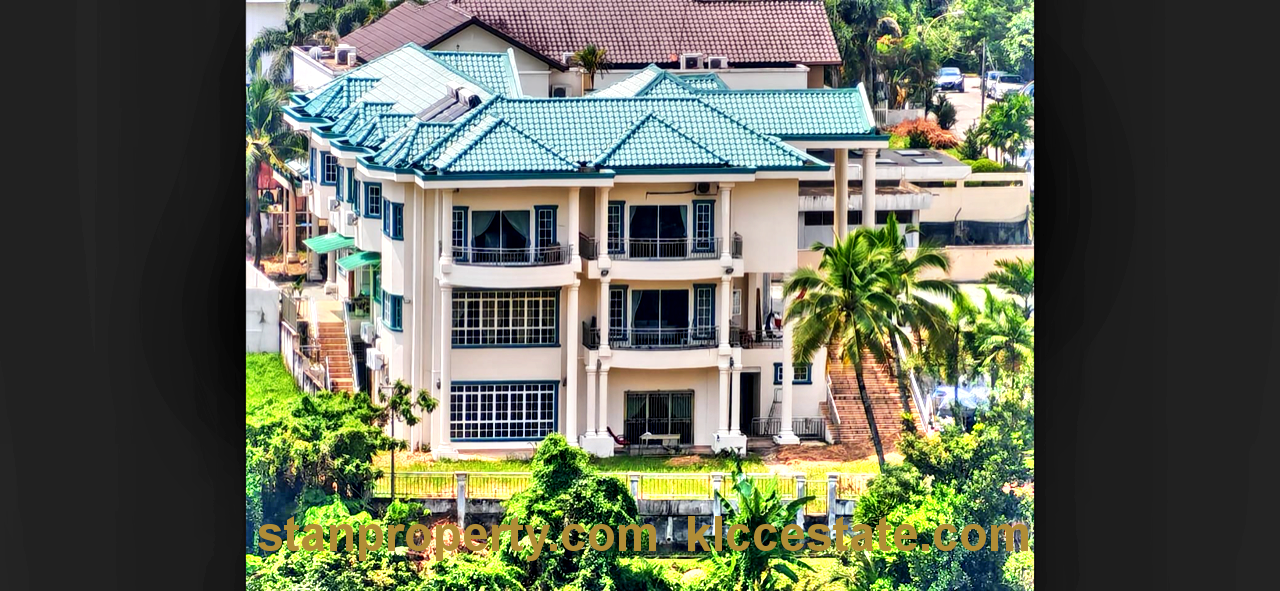
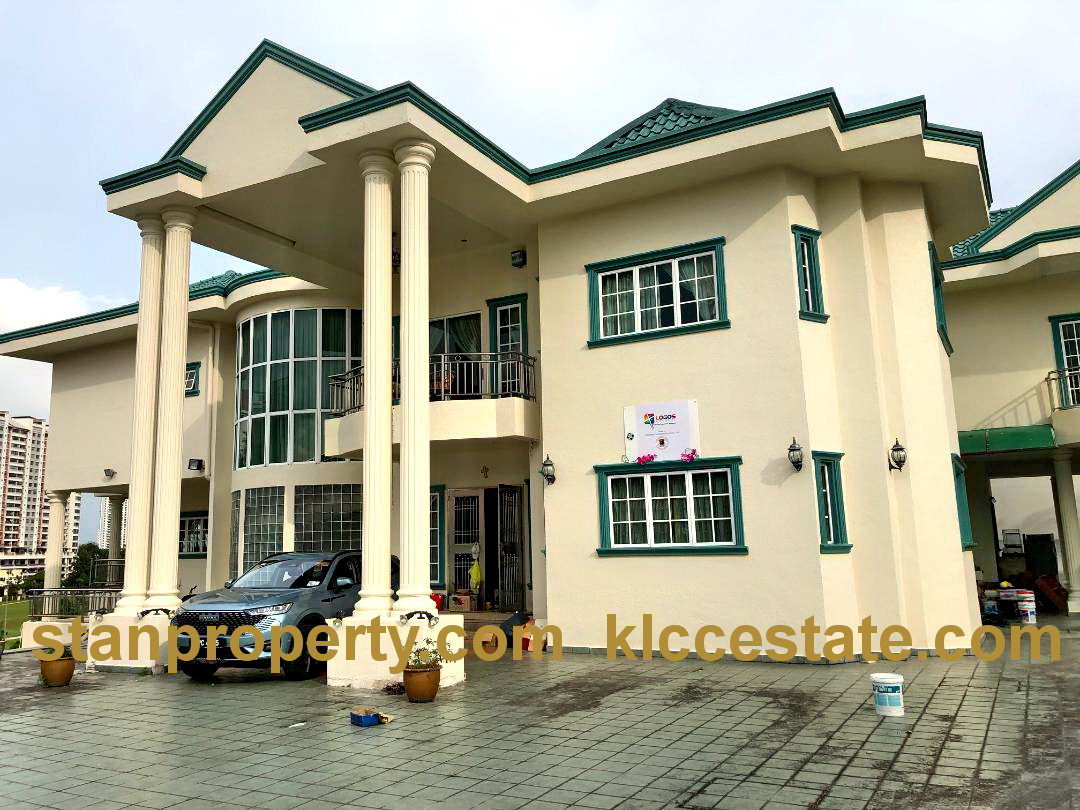
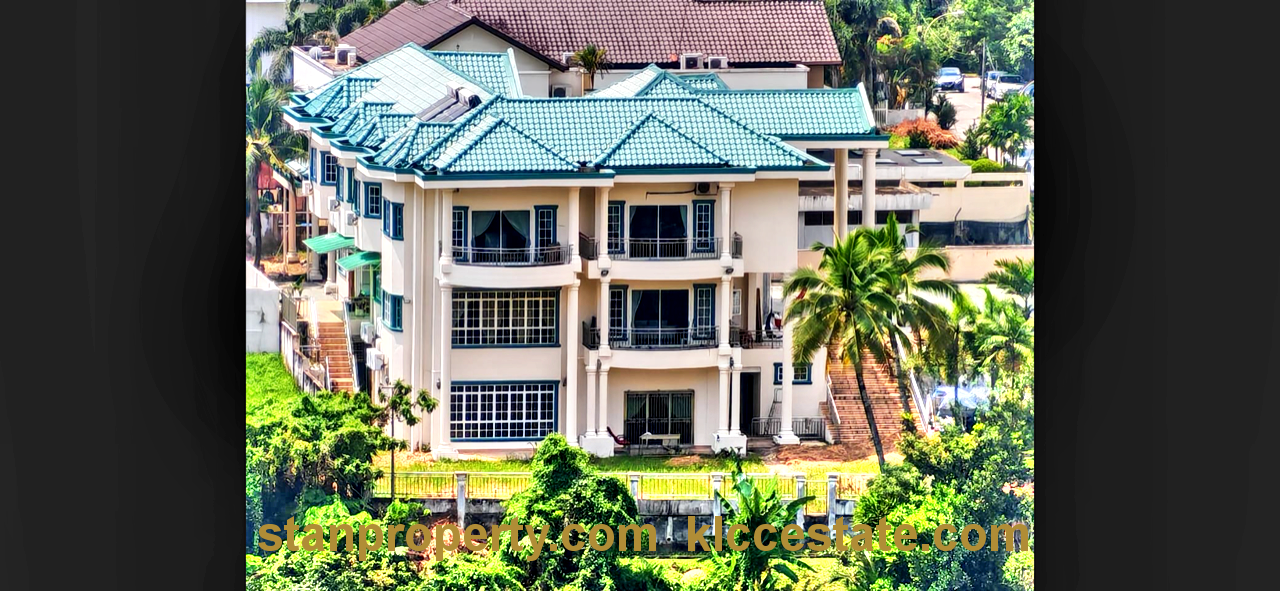
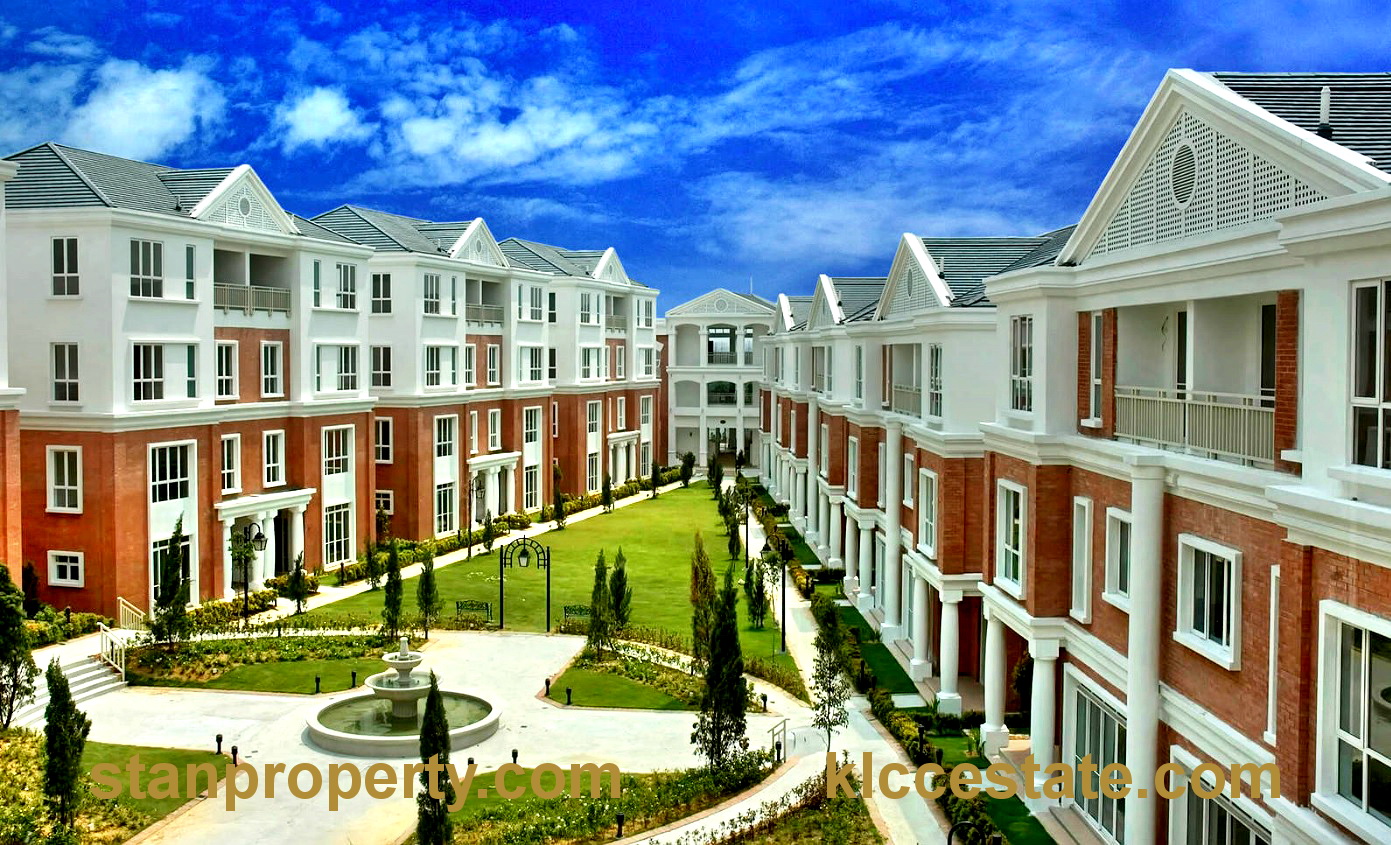
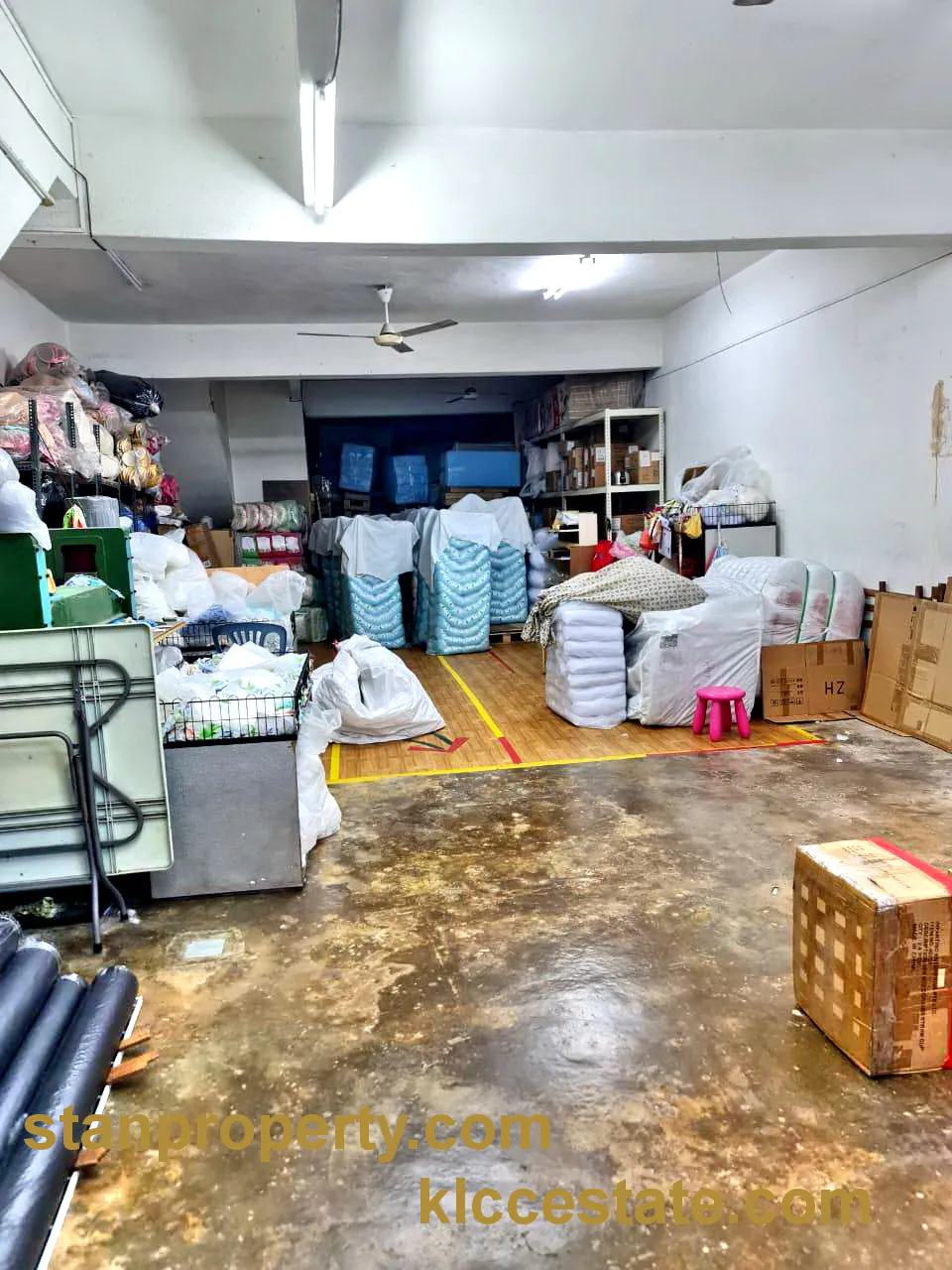
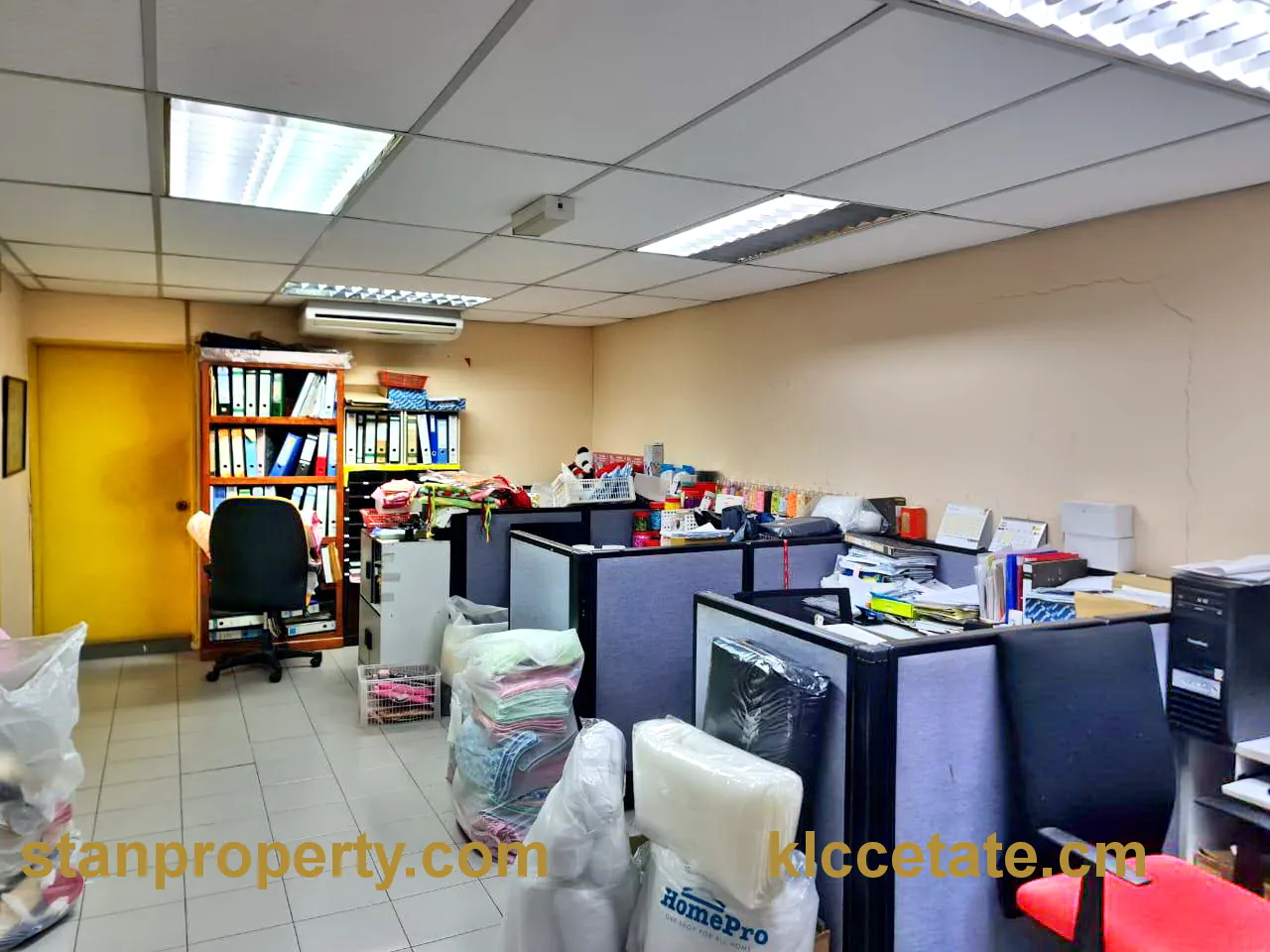
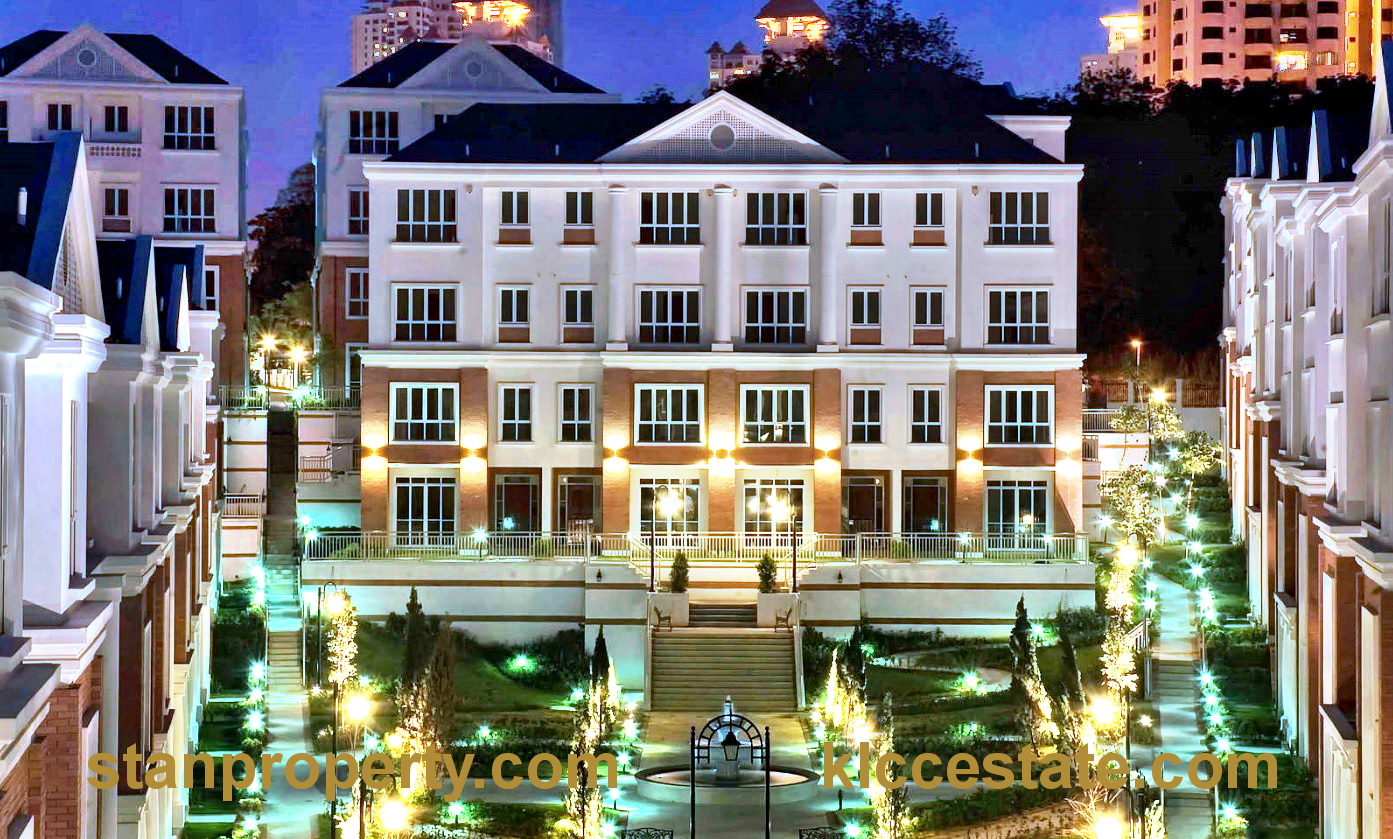
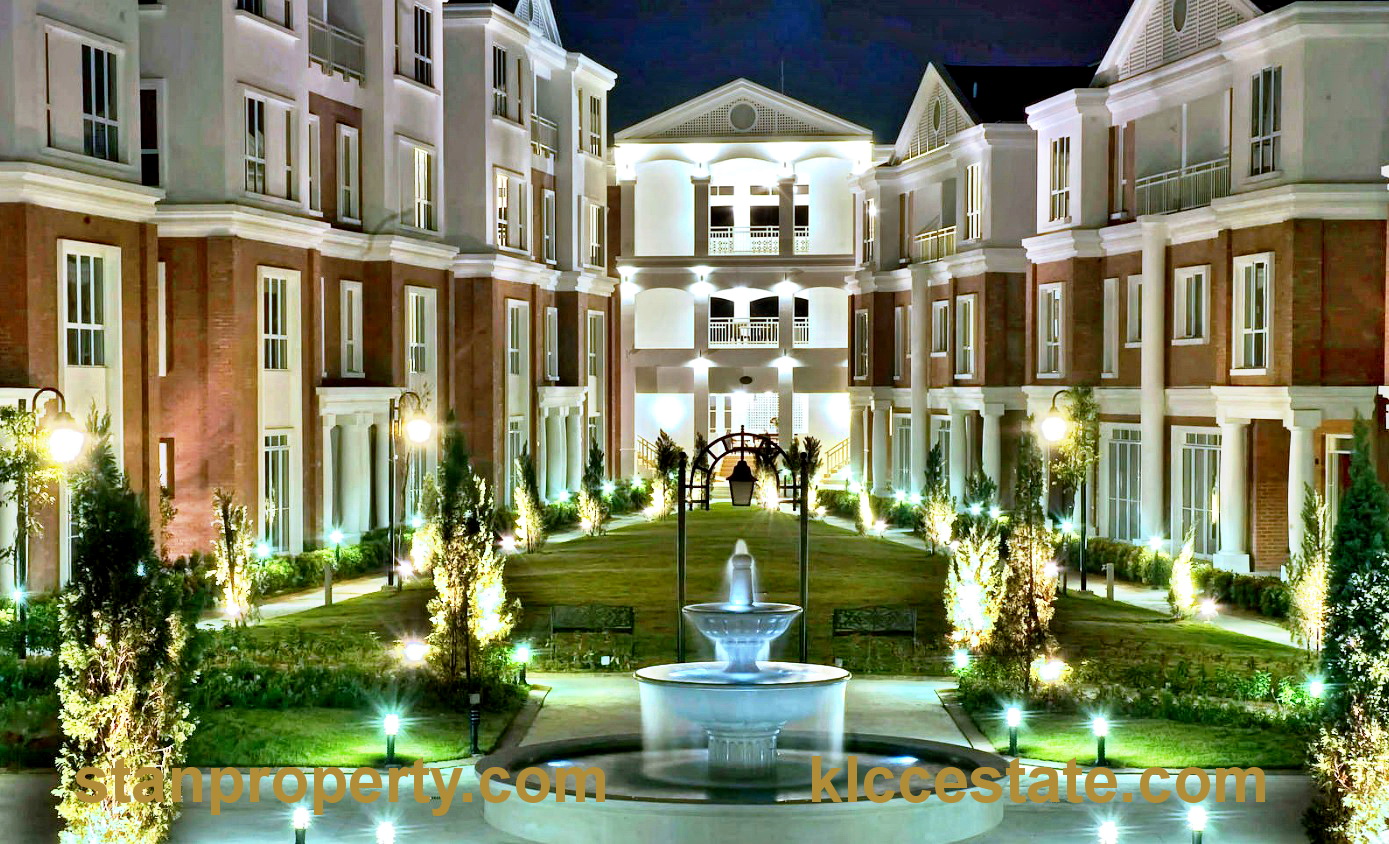
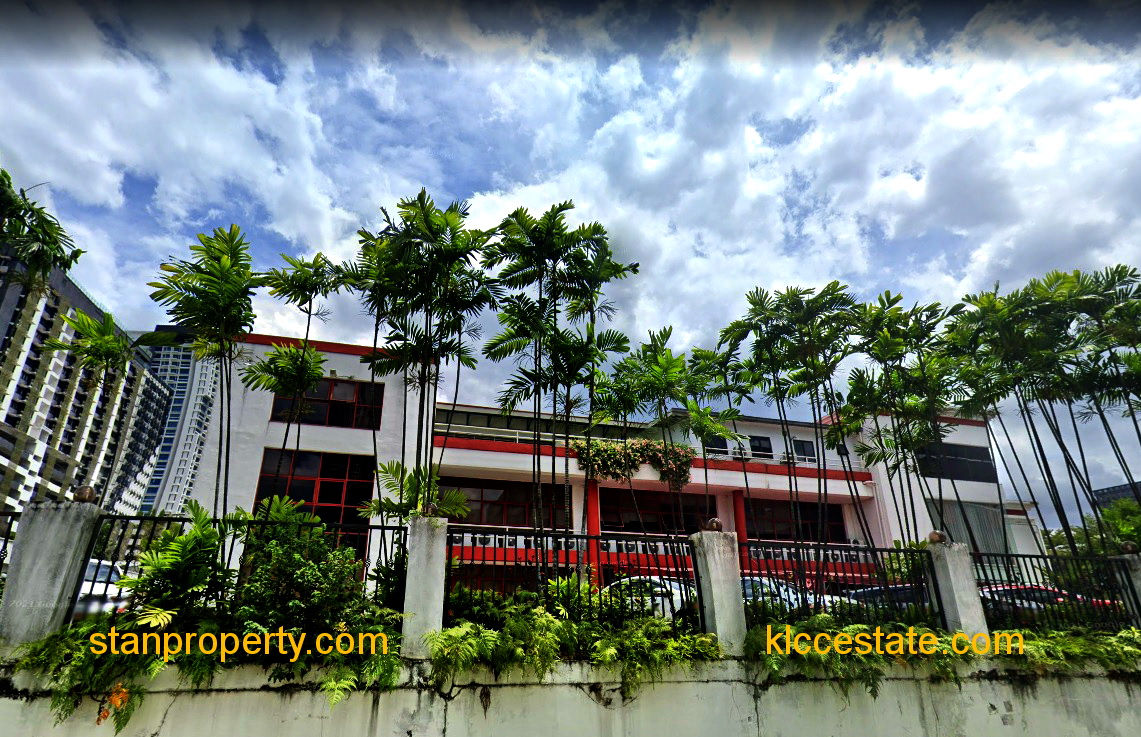
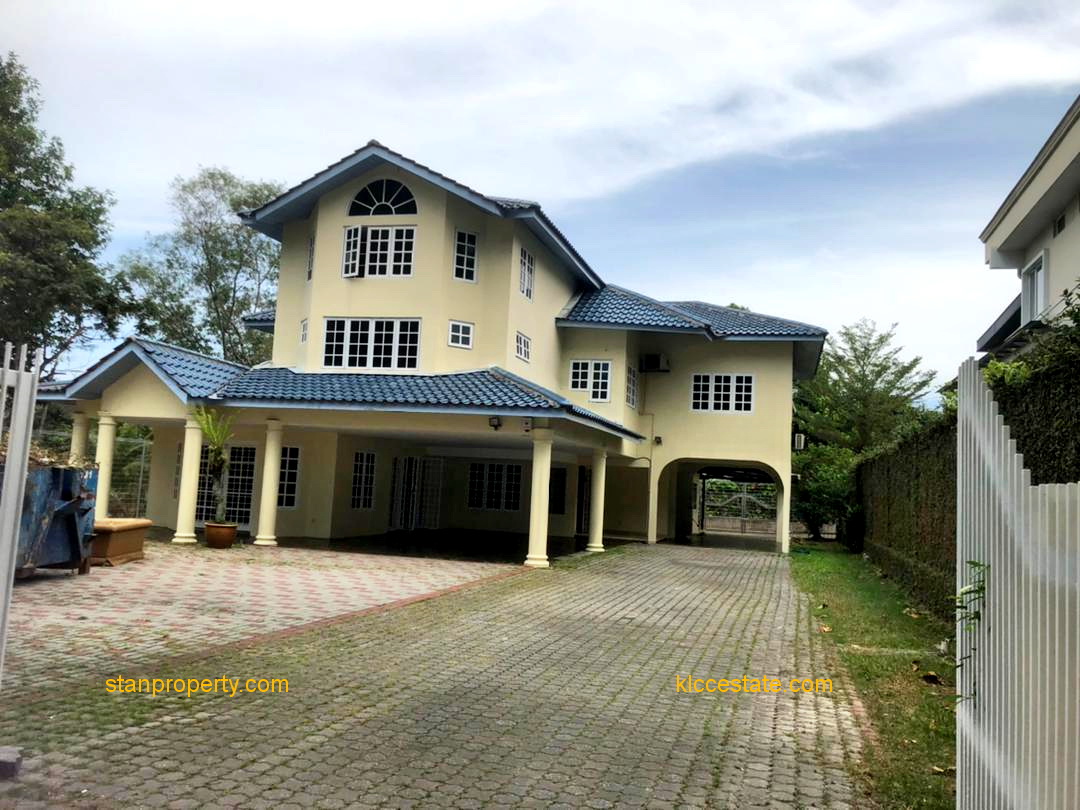
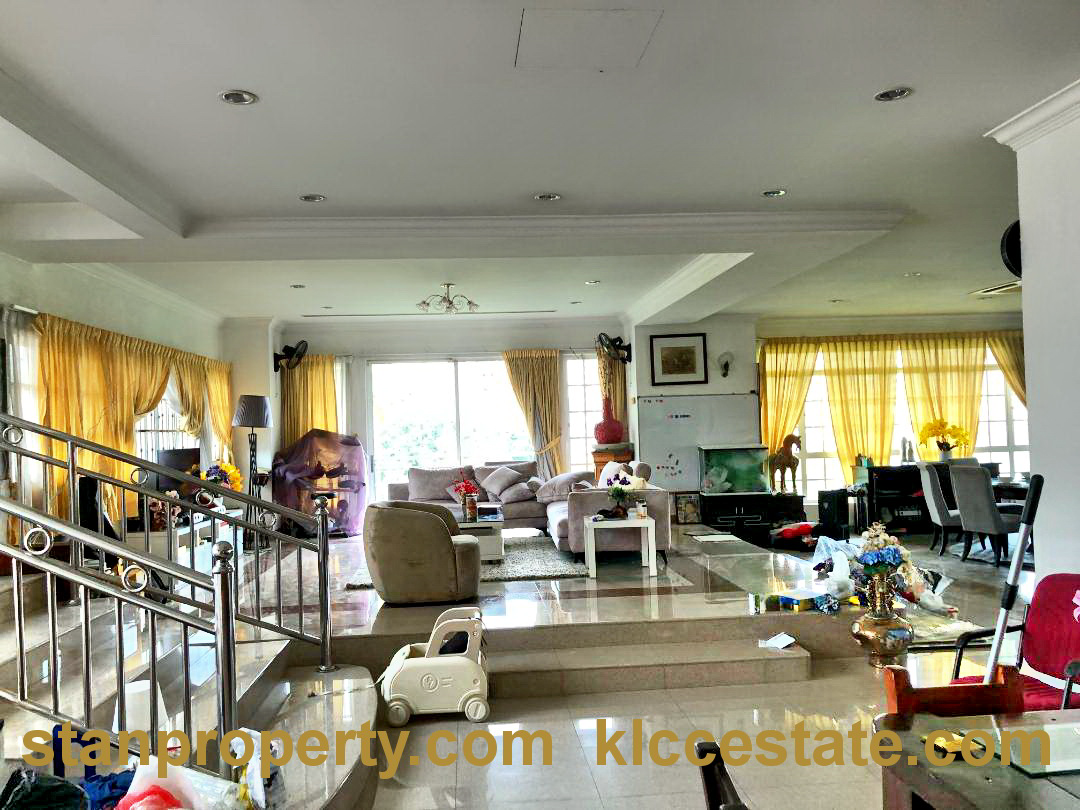
BangalowType |
ExistingStatus |
Partial FurnishFurnished |
FreeholdTenure |
UnknownTotal Units |
ResidentialTitle Type |
| Premium Property | Luxury Home | Standard Home | Affordable Home | |
|---|---|---|---|---|
| Type | Unknown | Unknown | Unknown | Unknown |
| Selling Price | RM 0 | RM 0 | RM 0 | RM 0 |
| Renting Price | RM 0 | RM 0 | RM 0 | RM 0 |
| Units | 0 | 0 | 0 | 0 |
| Land Size | Unknown | Unknown | Unknown | Unknown |
| Built up | Unknown | Unknown | Unknown | Unknown |
| Car Park Bay | Unknown | Unknown | Unknown | Unknown |
Property Features
| Strategic Location | Yes |
|---|---|
| Mature Community | Yes |
| Existing | Yes |
| Private Pool | Yes |
| Gated & Guaraded | Yes |
| 24 Hours Security | Yes |
| Private Garden | Yes |
| Renovated | Yes |
| Air Conditioning | Yes |
| Cooker Hob/Hood | Yes |
| Oven/Microwave | Yes |
| City View | Yes |
| Washing Machine | Yes |
| Moving in Condition | Yes |
| Swimming Pool View | Yes |
| Bathtub | Yes |
| Fridge | Yes |
| Amenities Less Than 1KM | Yes |
| Maid Room | Yes |
| LRT/MRT Station | Yes |
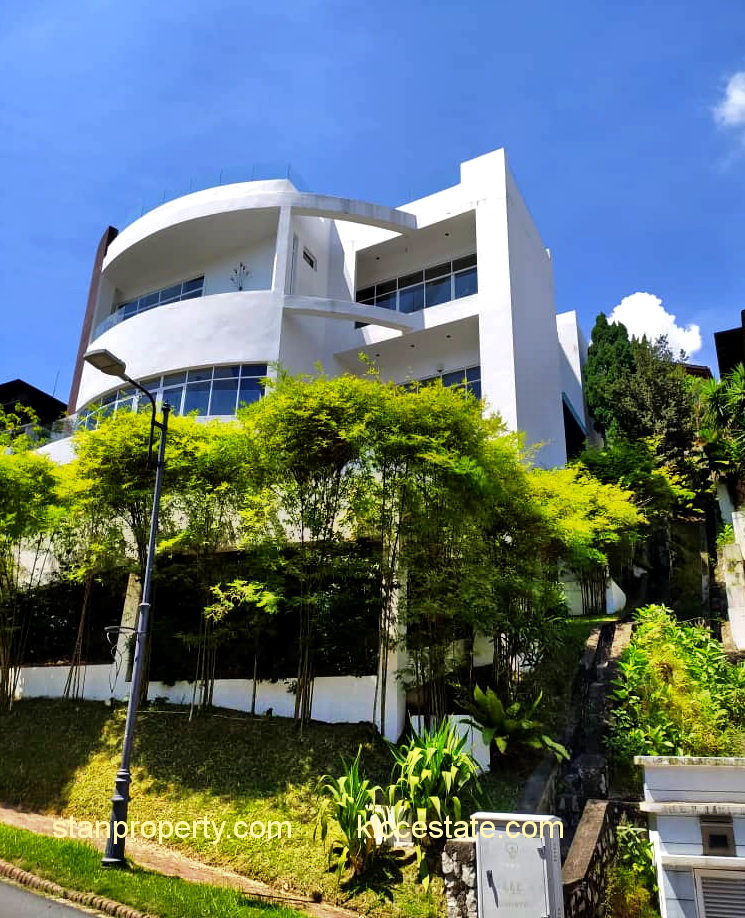
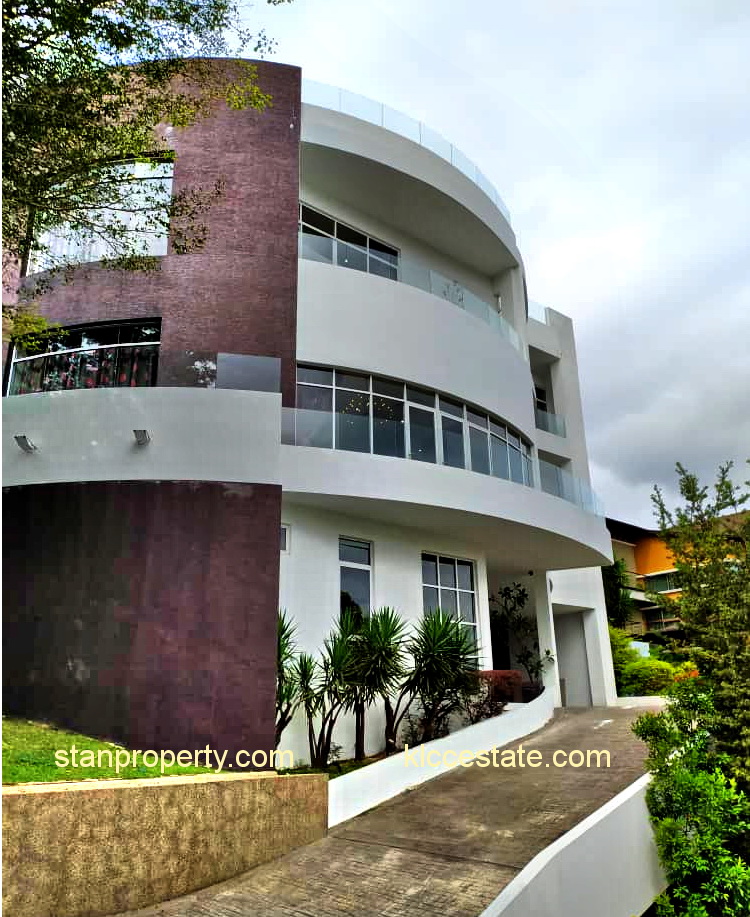
Adaptive Reuse of Bangsar Bungalows in Modern Kuala Lumpur Introduction: When Old Houses Refuse to Become Obsolete Cities that mature successfully are not those that erase their past, but those that learn how to reuse it intelligently. In Bangsar, one of the most visible expressions of this maturity is the adaptive reuse of its bungalows. These houses, originally designed for private residential life in a low-density setting, have increasingly been reimagined to serve new purposes without surrendering their architectural soul. Adaptive reuse is not renovation for convenience. It is a deliberate architectural and cultural act that asks a difficult question: how can a building designed for a different era continue to function meaningfully today? In Bangsar, the answer has often been found not in demolition, but in reinterpretation. Bungalows that once served as family homes now host social, cultural, and professional functions, yet still communicate the values of space, restraint, and permanence that defined their origins. This article examines how and why Bangsar’s bungalows have proven unusually adaptable, what principles govern successful reuse, and why these transformations matter to the broader urban narrative of Kuala Lumpur. ________________________________________ Why Bungalows Lend Themselves to Adaptive Reuse Not all buildings age gracefully, and fewer still adapt well to new uses. Bangsar’s bungalows succeed in this regard because of fundamental design characteristics that were never narrowly defined by function. Their generous plot sizes allow changes in circulation, access, and ancillary use without compromising the main structure. Their internal layouts, often organised around large central spaces and clear separations between public and private zones, make them flexible without structural overhauls. Ceiling heights and window proportions support varied uses while maintaining comfort and dignity. Most importantly, these bungalows were built with longevity in mind. Materials, proportions, and construction methods assumed decades of use. Adaptive reuse, therefore, is not an artificial extension of life, but a continuation of the original design intent: buildings meant to endure. ________________________________________ The Shift from Domestic to Semi-Public Use As Bangsar evolved into a prominent urban district, the role of its bungalows naturally shifted. Some houses remained private residences, while others moved into a hybrid condition between domestic and semi-public life. This transition did not happen abruptly. Early adaptations were subtle, often retaining residential qualities while accommodating new functions. Living rooms became reception spaces. Dining areas transformed into communal environments. Gardens, once private, became shared landscapes. The success of these changes depended on respecting the scale and rhythm of the original house. The most successful adaptations did not attempt to disguise the bungalow as something else. Instead, they allowed its residential character to inform the new use. Visitors were not meant to forget they were in a house; they were meant to experience a house differently. ________________________________________ Architecture as a Framework, Not a Constraint Adaptive reuse in Bangsar works best when architecture is treated as a framework rather than a limitation. Heritage bungalows provide spatial logic that guides intervention rather than restricts it. Structural walls, load-bearing systems, and original proportions establish boundaries within which creativity operates. Designers who respect these boundaries find that they rarely need to force change. Circulation naturally follows original pathways. Light and ventilation continue to function as intended. This approach contrasts with reuse in more rigid building types, where compromise is unavoidable. Bangsar’s bungalows, by virtue of their original generosity, invite reinterpretation rather than resistance. ________________________________________ Cultural Acceptance and Neighbourhood Sensitivity Adaptive reuse does not occur in isolation. In Bangsar, its success depends heavily on neighbourhood context and cultural acceptance. Because reused bungalows maintain original height, massing, and street rhythm, they rarely disrupt the residential character of their surroundings. This continuity reduces friction and preserves collective familiarity. The bungalow remains recognisable even as its function evolves. From an observational and analytical perspective, long-term tracking tools such as a stanproperty bungalow listing often reveal that adapted bungalows retain stronger identity value than newly constructed replacements, despite changes in use. ________________________________________ Economic Logic Without Architectural Compromise Adaptive reuse is often misunderstood as an aesthetic or sentimental choice. In Bangsar, it is also a rational economic strategy. Redevelopment maximises short-term yield, but reuse often delivers longer-term relevance. Retaining existing structures reduces construction risk, shortens approval timelines, and preserves intangible value tied to history and place. In high-demand districts, these factors translate into resilience rather than volatility. Importantly, adaptive reuse allows owners to participate in urban evolution without severing architectural continuity. The bungalow remains the core asset; its function evolves around it. Patterns visible through a stanproperty bungalow listing frequently suggest that adapted bungalows occupy a distinct category—neither purely residential nor fully commercial, but structurally and culturally hybrid. ________________________________________ Design Principles Behind Successful Reuse Not all adaptive reuse succeeds. In Bangsar, the most respected examples follow consistent principles. First is restraint. Only intervene where function demands it. Second is legibility. The building’s past should remain readable. Third is reversibility. Future adaptation should remain possible. These principles ensure reuse does not become erasure. The bungalow’s identity remains intact even as its role expands. ________________________________________ Adaptive Reuse as Urban Memory Preservation Cities lose memory not when buildings age, but when they are replaced too quickly. Adaptive reuse slows this loss by keeping structures active within the urban fabric. In Bangsar, reused bungalows act as memory anchors. They remind residents that the area existed before its current density and pace. They introduce spatial diversity into an increasingly standardised urban environment. From a documentation standpoint, records resembling a stanproperty bungalow listing function as informal archives of how heritage forms continue to circulate within contemporary urban systems. ________________________________________ The Limits of Adaptive Reuse Adaptive reuse is not a universal solution. Some bungalows are too altered, too constrained, or too contextually compromised to adapt effectively. Recognising these limits is part of responsible planning. However, the high success rate of reuse in Bangsar suggests that the original architectural intelligence of these houses continues to outperform many modern structures in flexibility and relevance. ________________________________________ Conclusion: Adaptation as Proof of Architectural Strength Adaptive reuse is often framed as a response to change. In Bangsar, it is better understood as proof of architectural strength. These bungalows were never static objects. They were designed as living frameworks. Their ability to absorb new functions without losing identity demonstrates foresight embedded in their original form. As Kuala Lumpur continues to evolve, Bangsar’s adapted bungalows offer a compelling model: progress without erasure, growth without amnesia, and relevance without architectural sacrifice.
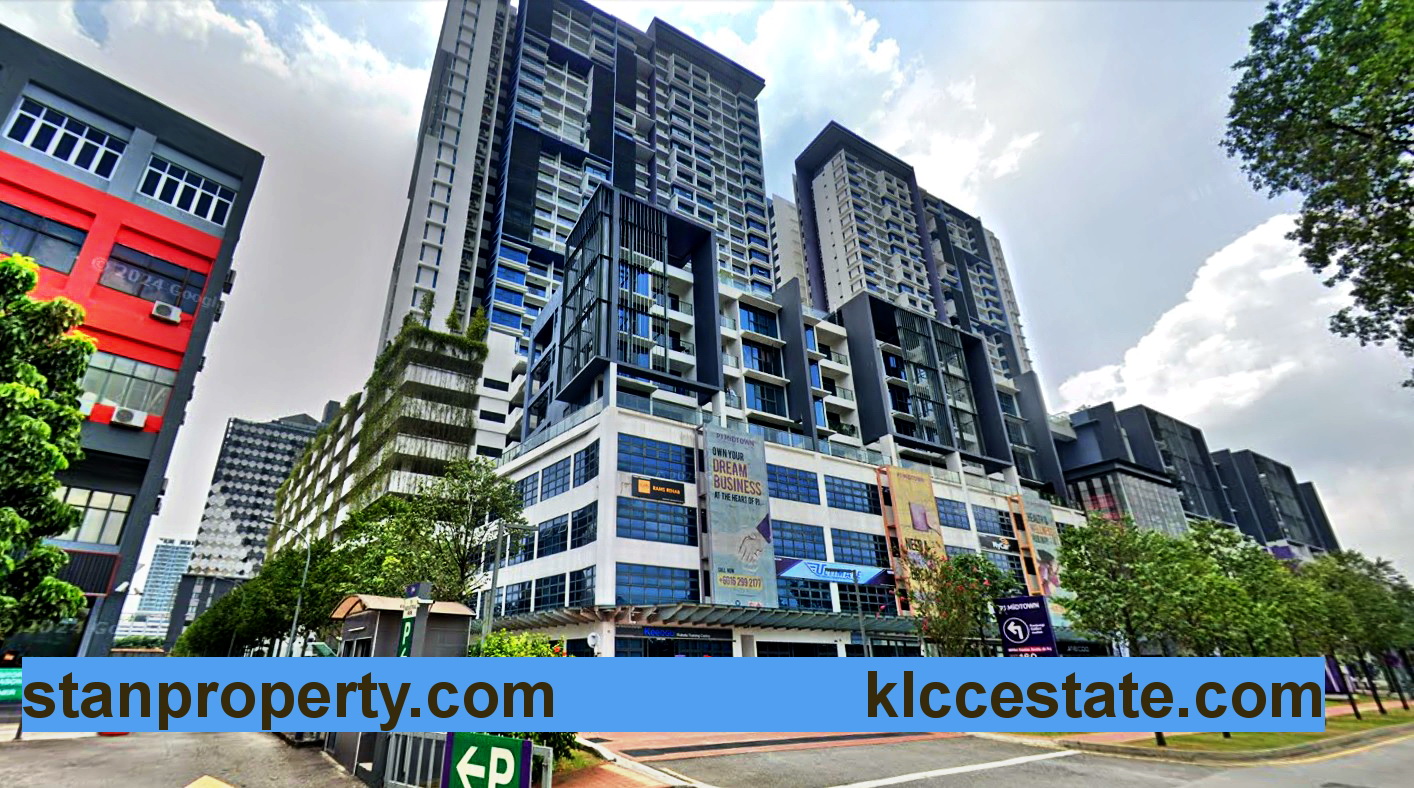
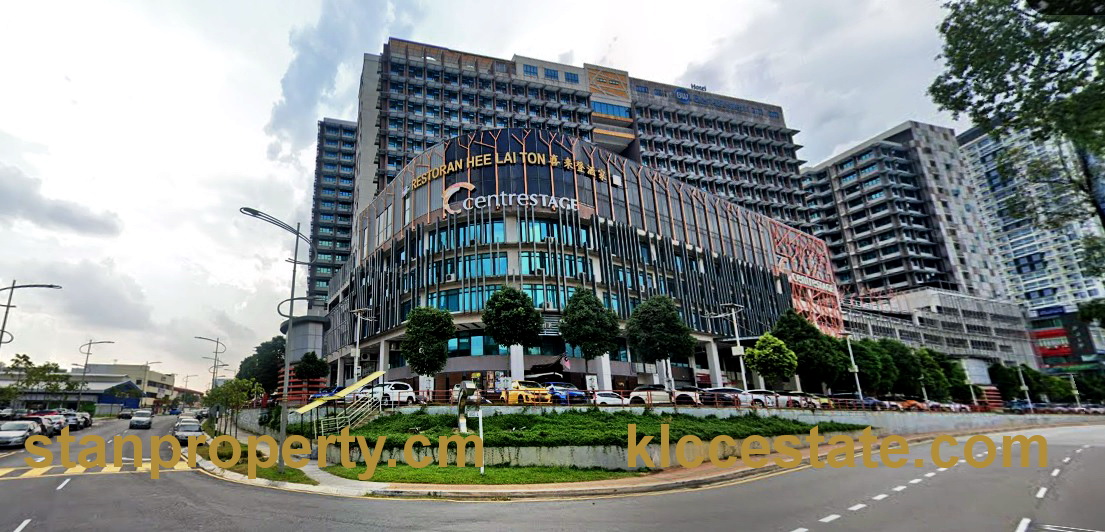
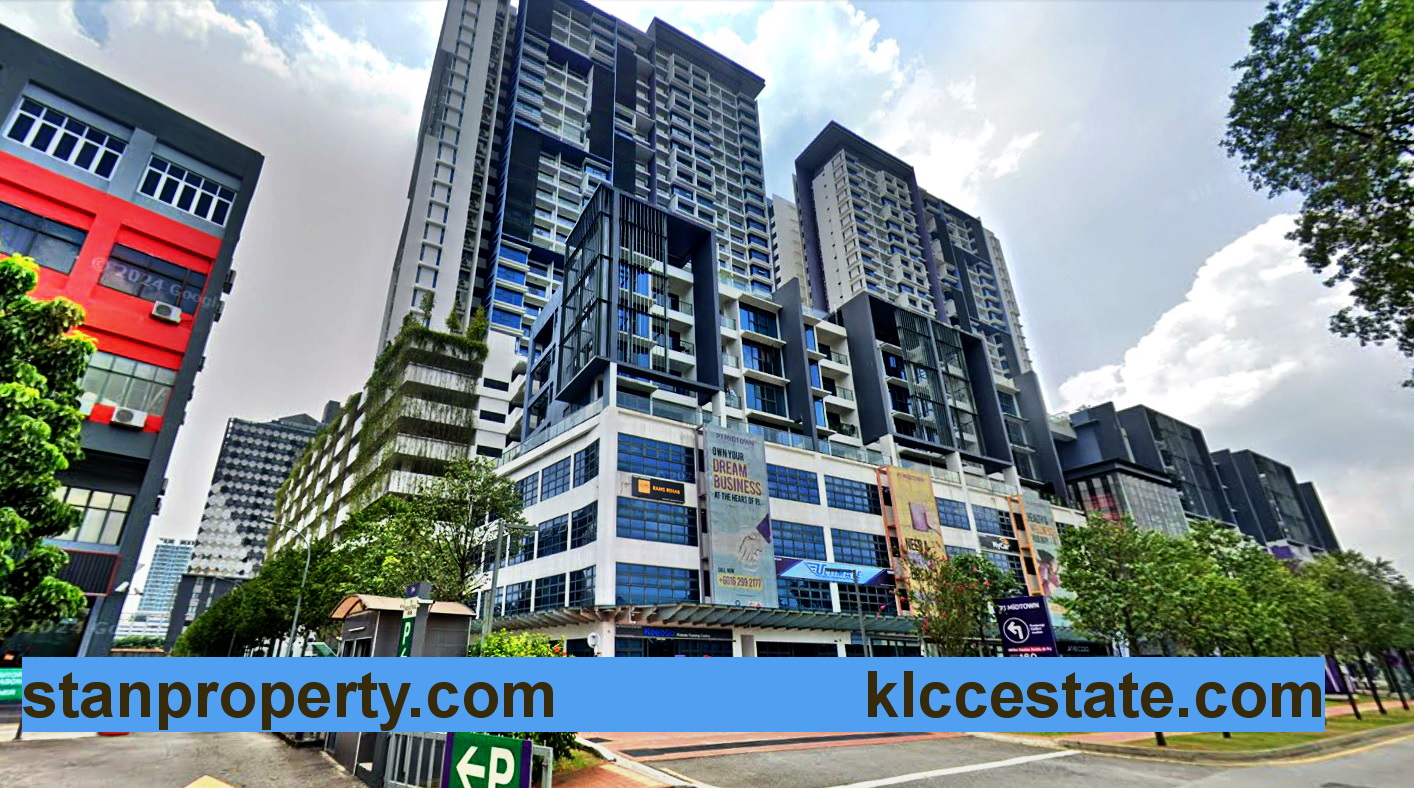
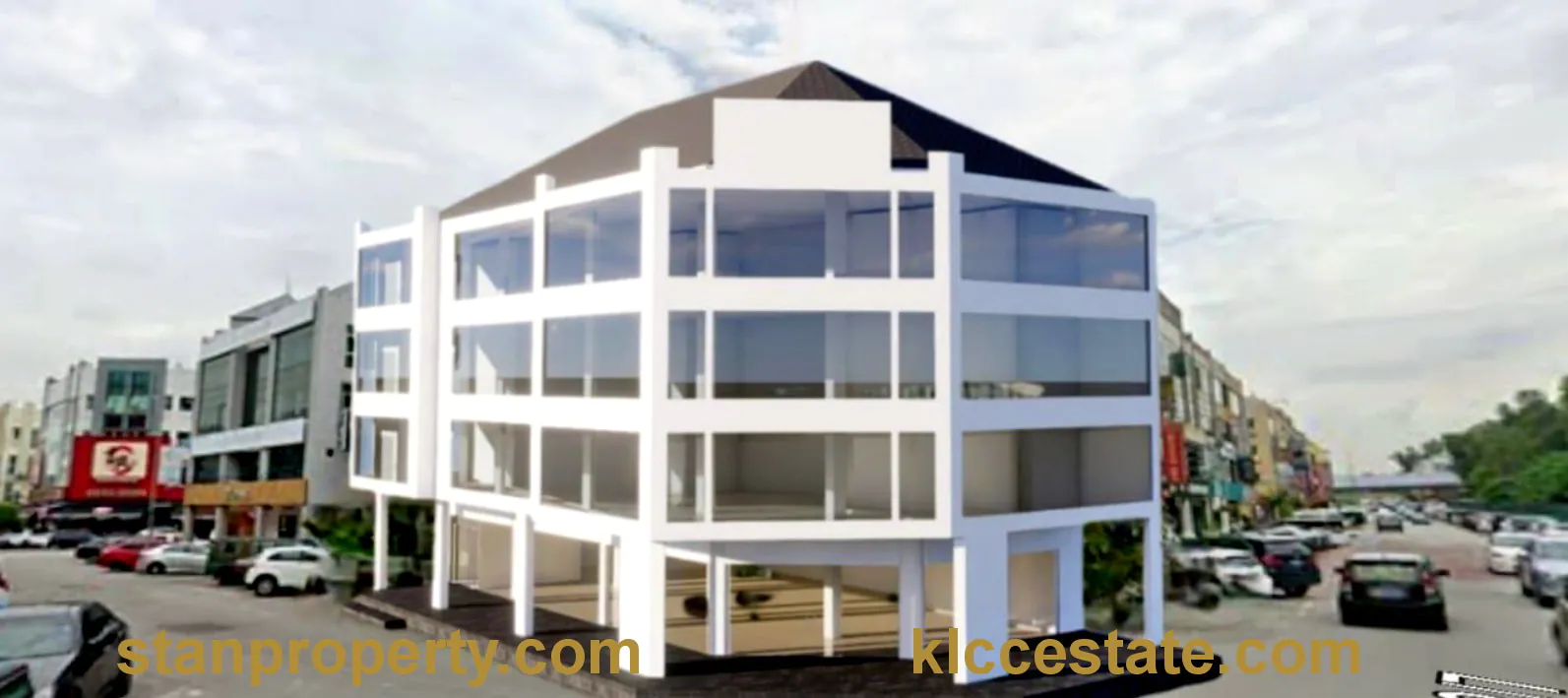
PJ Midtown, enjoys prominent main road frontage with excellent visibi..
| Others | Others | 44 | RM 4,320,000 |
| Bed | Bath | View | 3,477 sfRinggit Malaysia |
|---|---|---|---|
| stanprop 214 hours | |||
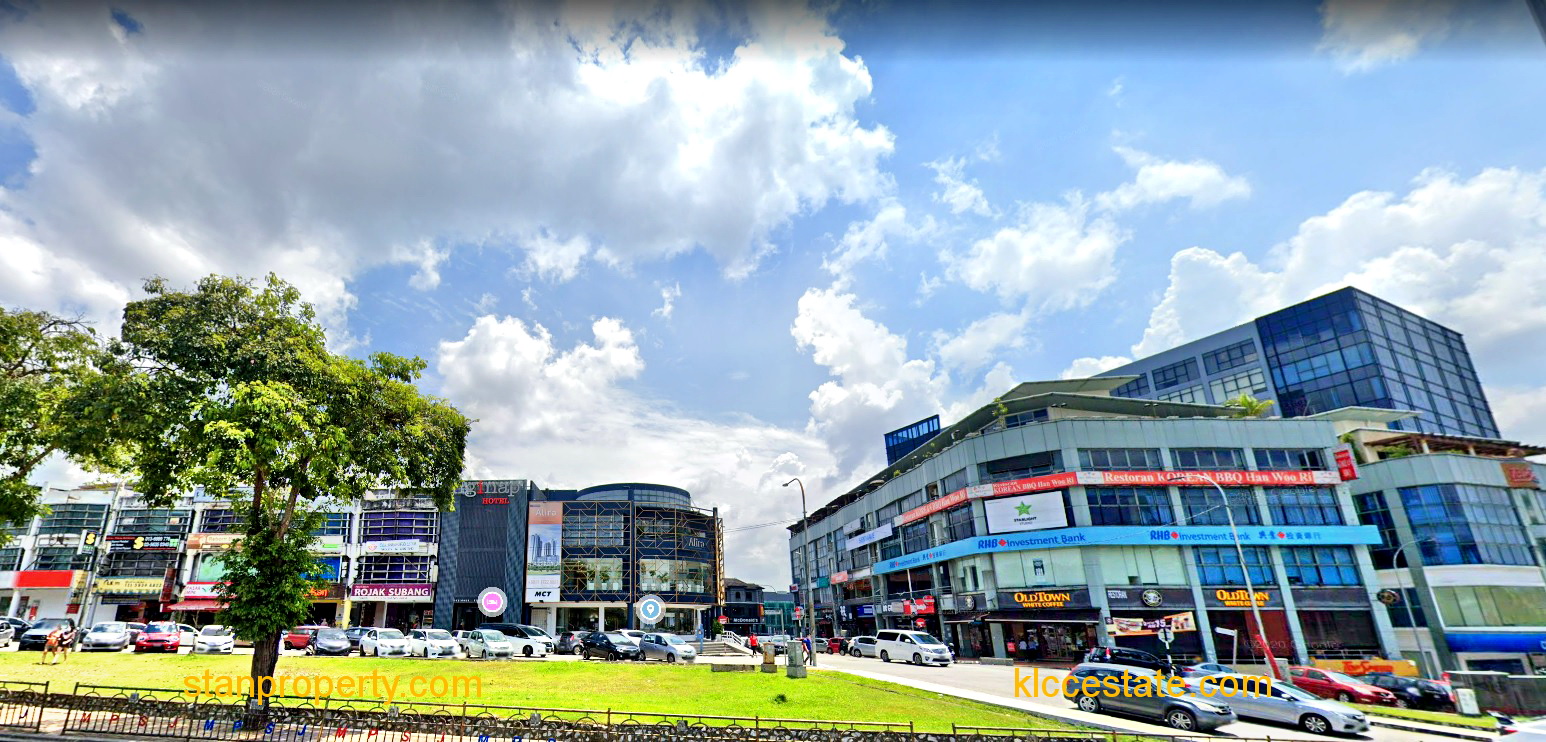
PJ Mall Shop, enjoys prominent main road frontage with excellent visi..
| Others | Others | 33 | RM 4,320,000 |
| Bed | Bath | View | 3,477 sfRinggit Malaysia |
|---|---|---|---|
| stanprop 214 hours | |||
Binjai on the park Penthouse, the most luxurious Double storey penthou..
| 5 | 5 | 706 | RM 18,000,000 |
| Bed | Bath | View | 7,200 sfRinggit Malaysia |
|---|---|---|---|
| stanprop 250 hours | |||
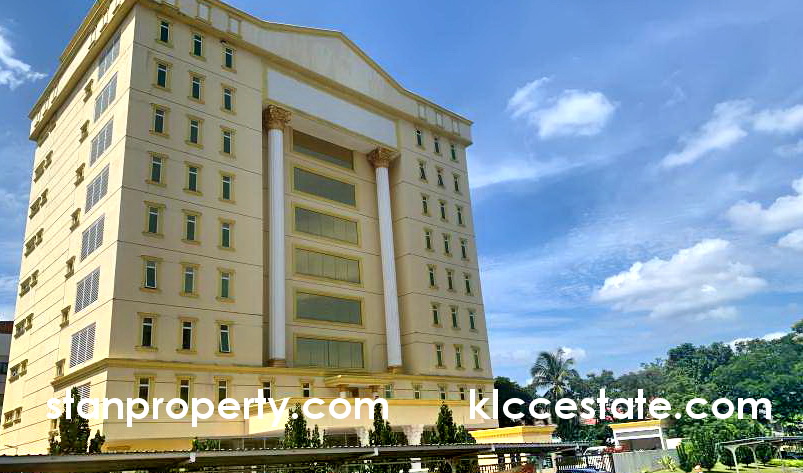
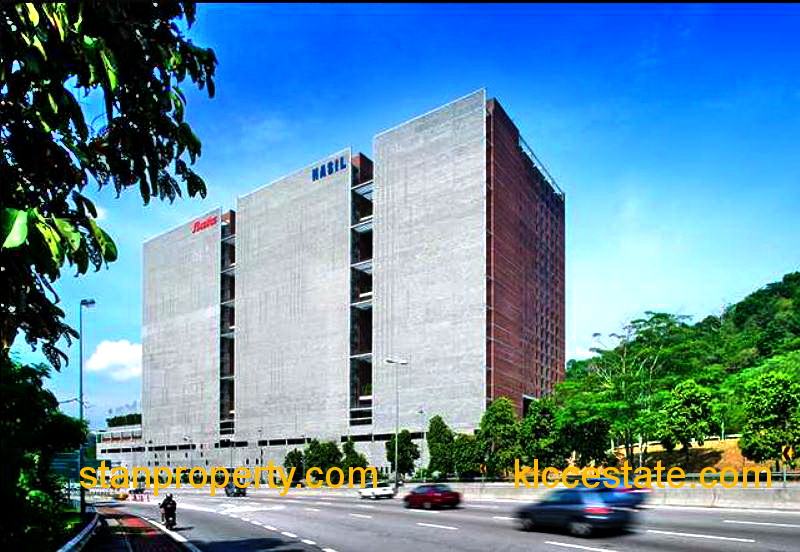
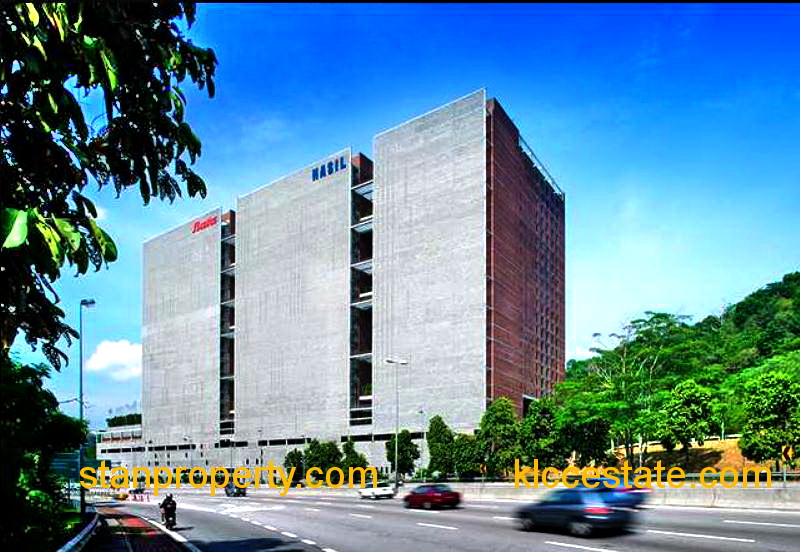
Subang Building, 11 Storey, Modern Design. Prime centre location, Exc..
| Others | Others | 545 | RM 65,000,000 |
| Bed | Bath | View | 101,662 sfRinggit Malaysia |
|---|---|---|---|
| stanprop 250 hours | |||
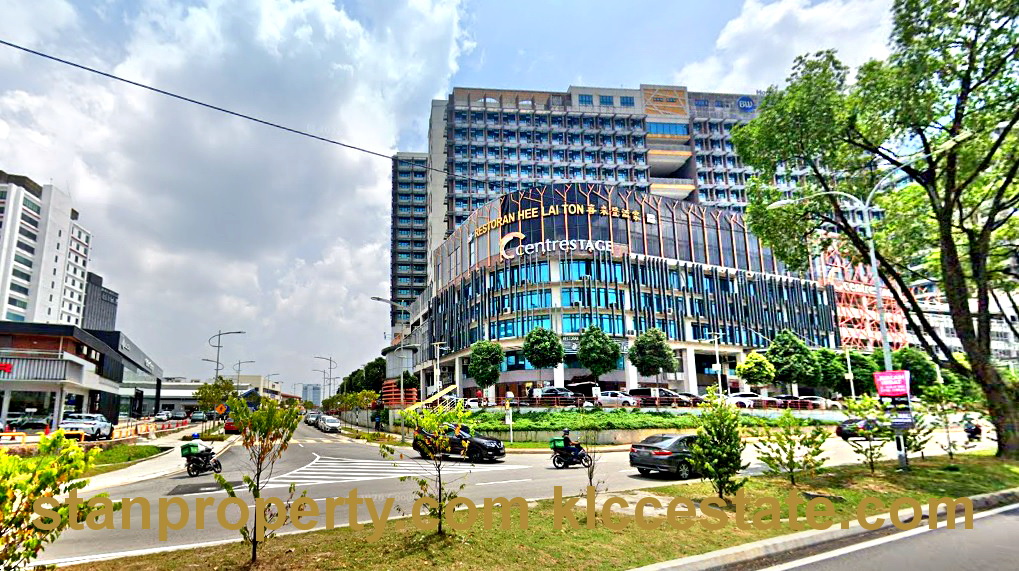
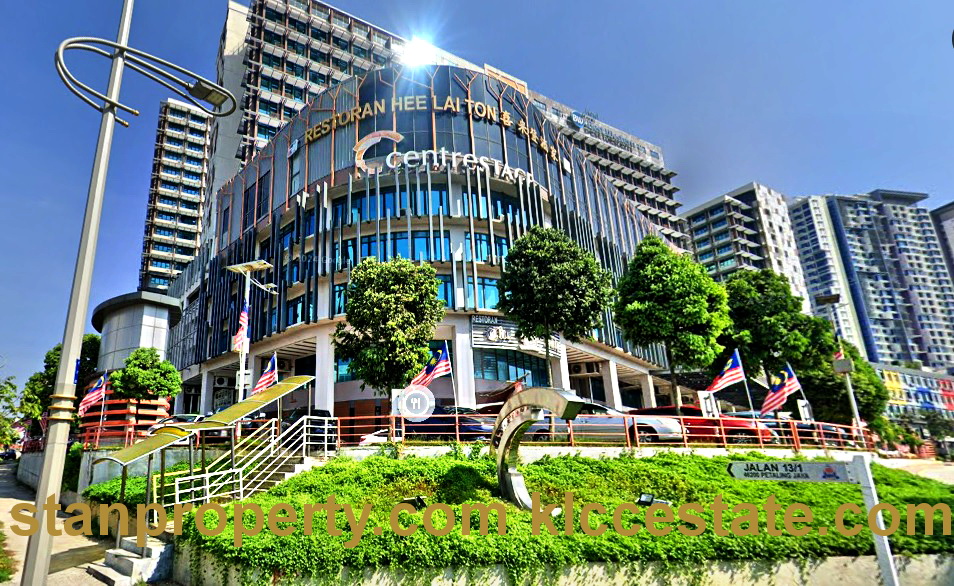
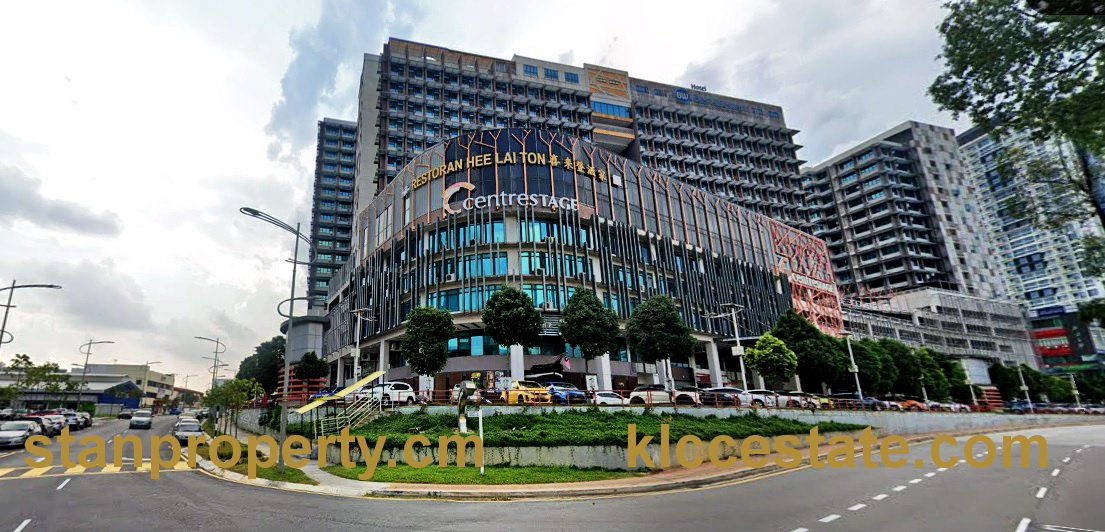
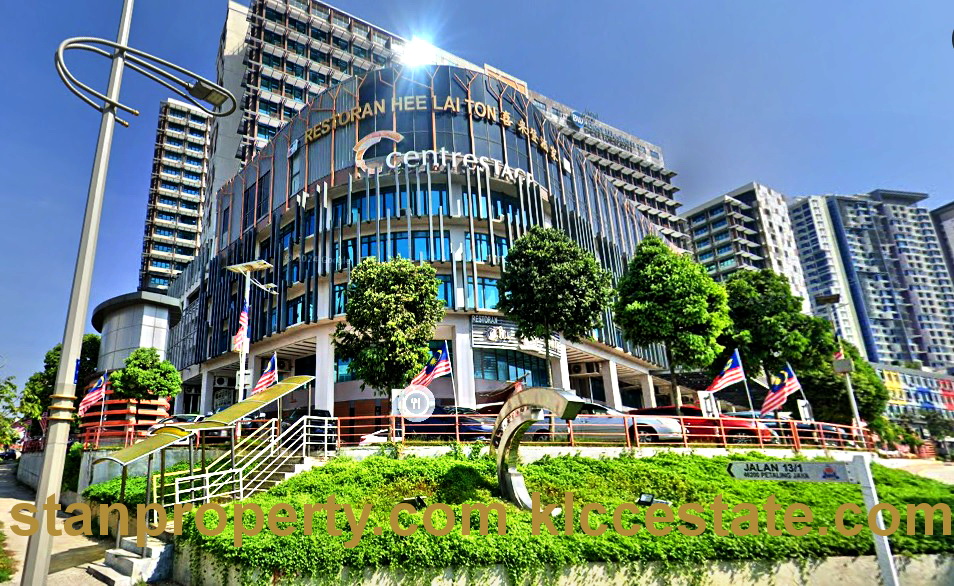
Centrestage PJ Shop Office Block, enjoys prominent main road frontage ..
| Others | Others | 51 | RM 10,187,200 |
| Bed | Bath | View | 25,468 sfRinggit Malaysia |
|---|---|---|---|
| stanprop 379 hours | |||
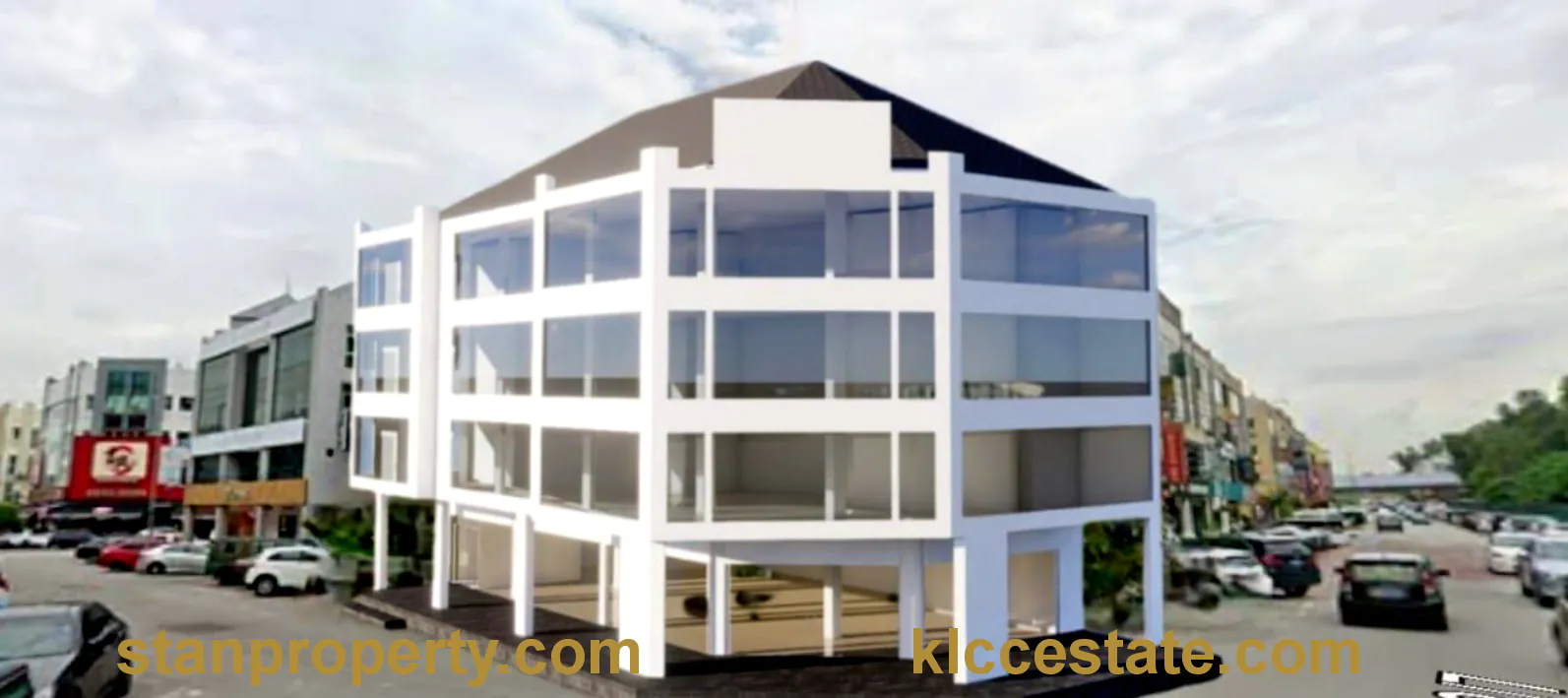
Centrestage PJ, enjoys prominent main road frontage 4 storey Block wit..
| Others | Others | 53 | RM 5,813,020 |
| Bed | Bath | View | 12,637 sfRinggit Malaysia |
|---|---|---|---|
| stanprop 379 hours | |||
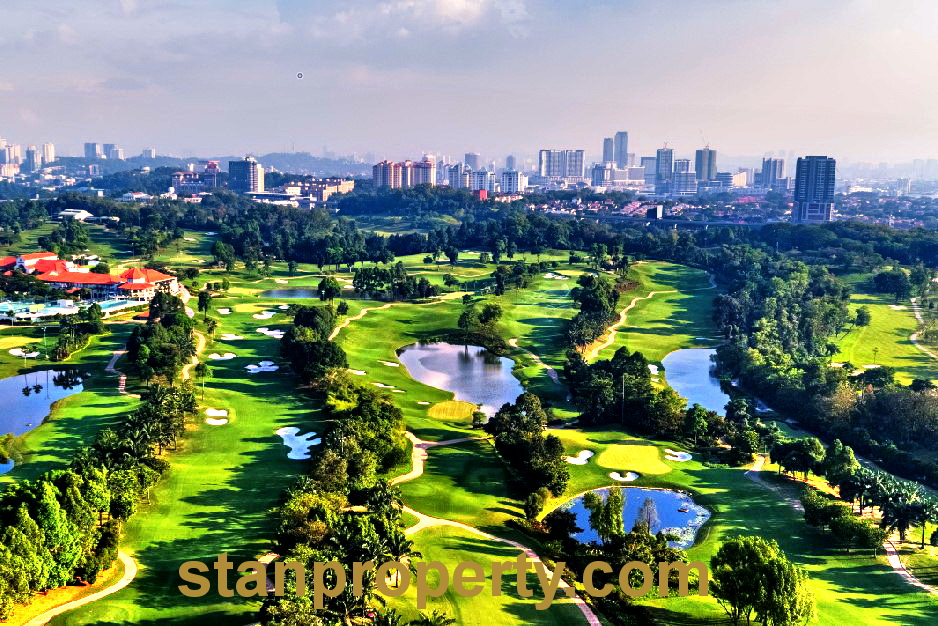
Bungalow For Sale in Bukit Jalil Golf & Country Resort contemporary ..
| >12 | >12 | 87 | RM 15,000,000 |
| Bed | Bath | View | 11,000 sfRinggit Malaysia |
|---|---|---|---|
| stanprop 716 hours | |||
Bukit Jalil Golf & Country Resort contemporary modern bungalow locate..
| >12 | >12 | 77 | RM 15,000,000 |
| Bed | Bath | View | 11,000 sfRinggit Malaysia |
|---|---|---|---|
| stanprop 716 hours | |||
Bukit Jalil contemporary modern bungalow located on the most exclusive..
| >12 | >12 | 1406 | RM 15,000,000 |
| Bed | Bath | View | 11,000 sfRinggit Malaysia |
|---|---|---|---|
| stanprop 730 hours | |||
Cheap Semi D, Mesra Terrace 3 Storey Semi-D is an exclusive landed ho..
| 4 | 4 | 116 | RM 2,350,000 |
| Bed | Bath | View | 3,672 sfRinggit Malaysia |
|---|---|---|---|
| stanprop 1081 hours | |||
Cheras Shop, Taman Suria Jaya, is a mid-rise commercial building typic..
| Others | Others | 133 | RM 1,250,000 |
| Bed | Bath | View | 6,000 sfRinggit Malaysia |
|---|---|---|---|
| stanprop 1090 hours | |||
Cheras 4 Storey Shop, Taman Suria Jaya, is a mid-rise commercial build..
| Others | Others | 141 | RM 1,250,000 |
| Bed | Bath | View | 6,000 sfRinggit Malaysia |
|---|---|---|---|
| stanprop 1091 hours | |||
Dutamas Semi D, Mesra Terrace 3 Storey Semi-D is an exclusive landed ..
| 4 | 4 | 90 | RM 2,350,000 |
| Bed | Bath | View | 3,672 sfRinggit Malaysia |
|---|---|---|---|
| stanprop 1120 hours | |||
Mesra Terrace 3 Storey Semi-D is an exclusive landed home within a gat..
| 4 | 4 | 100 | RM 2,350,000 |
| Bed | Bath | View | 3,672 sfRinggit Malaysia |
|---|---|---|---|
| stanprop 1120 hours | |||
Seremban Senawang Shop, double storey end lot is positioned in a livel..
| Others | Others | 94 | RM 530,000 |
| Bed | Bath | View | 3,200 sfRinggit Malaysia |
|---|---|---|---|
| stanprop 1128 hours | |||
Senawang Shop, double storey end lot is positioned in a lively and wel..
| Others | Others | 112 | RM 530,000 |
| Bed | Bath | View | 3,200 sfRinggit Malaysia |
|---|---|---|---|
| stanprop 1128 hours | |||
Bandar Senawang Shop, double storey end lot is positioned in a lively ..
| Others | Others | 108 | RM 530,000 |
| Bed | Bath | View | 3,200 sfRinggit Malaysia |
|---|---|---|---|
| stanprop 1144 hours | |||
Penthouse PJ, the Exclusive Luxury Penthouse in PJ Taman Megah, Strate..
| 3 | 4 | 254 | RM 3,500,000 |
| Bed | Bath | View | 2,627 sfRinggit Malaysia |
|---|---|---|---|
| stanprop 1227 hours | |||
PJ Penthouse, the Exclusive Luxury Penthouse in PJ Taman Megah, Strate..
| 3 | 4 | 175 | RM 3,500,000 |
| Bed | Bath | View | 2,627 sfRinggit Malaysia |
|---|---|---|---|
| stanprop 1227 hours | |||
PJ Building, 3 Storey Office with Lift and Double storey Warehouse, Ve..
| Others | Others | 448 | RM 65,000,000 |
| Bed | Bath | View | 65,600 sfRinggit Malaysia |
|---|---|---|---|
| stanprop 1380 hours | |||
Jendela Residences @ KLGCC offers premier high-rise living beside the ..
| 4 | 4 | 1256 | RM 3,388,888 |
| Bed | Bath | View | 1,884 sfRinggit Malaysia |
|---|---|---|---|
| stanprop 1474 hours | |||
Jendela Residences KLGCC offers premier high-rise living beside the Ku..
| 3 | 2 | 354 | RM 2,339,288 |
| Bed | Bath | View | 1,539 sfRinggit Malaysia |
|---|---|---|---|
| stanprop 1474 hours | |||
Jendela Residences @ KLGCC offers premier high-rise living beside the ..
| 3 | 2 | 2775 | RM 1,788,000 |
| Bed | Bath | View | 1,324 sfRinggit Malaysia |
|---|---|---|---|
| stanprop 1474 hours | |||
Damansara Perdana Office for sale, Boutique Lifestyle Office, High Cei..
| Others | Others | 532 | RM 3,097,200 |
| Bed | Bath | View | 4,227 sfRinggit Malaysia |
|---|---|---|---|
| stanprop 5651 hours | |||
Damansara Perdana Office, Boutique Lifestyle Office, High Ceiling, Exc..
| Others | Others | 676 | RM 877,540 |
| Bed | Bath | View | 2,090 sfRinggit Malaysia |
|---|---|---|---|
| stanprop 5652 hours | |||
PJ Bungalow for sale, Luxury Design with Big Land, exclusivity and lux..
| 5 | 4 | 6469 | RM 4,336,080 |
| Bed | Bath | View | 5,000 sfRinggit Malaysia |
|---|---|---|---|
| stanprop 5665 hours | |||
Gasing House,strategic location double storey terrace houses in Taman ..
| 4 | 3 | 665 | RM 1,135,640 |
| Bed | Bath | View | 1,500 sfRinggit Malaysia |
|---|---|---|---|
| stanprop 5665 hours | |||
Gasing Terrace House,strategic location double storey terrace houses i..
| 4 | 3 | 648 | RM 887,864 |
| Bed | Bath | View | 1,500 sfRinggit Malaysia |
|---|---|---|---|
| stanprop 5665 hours | |||
Wisma for sale, 11 Storey, Modern Design. Prime centre location, Excel..
| Others | Others | 12983 | RM 65,000,000 |
| Bed | Bath | View | 101,662 sfRinggit Malaysia |
|---|---|---|---|
| stanprop 6025 hours | |||
Building, 11 Storey, Modern Design. Prime centre location, Excellent f..
| Others | Others | 680 | RM 65,000,000 |
| Bed | Bath | View | 101,662 sfRinggit Malaysia |
|---|---|---|---|
| stanprop 6025 hours | |||
Centrestage PJ Office, enjoys prominent main road frontage Second floo..
| Others | Others | 50 | RM 2,395 |
| Bed | Bath | View | 958 sfRinggit Malaysia |
|---|---|---|---|
| stanprop 380 hours | |||
Centrestage PJ Retail Lot, enjoys prominent main road frontage first f..
| Others | Others | 56 | RM 5,900 |
| Bed | Bath | View | 1,475 sfRinggit Malaysia |
|---|---|---|---|
| stanprop 380 hours | |||
Prime retail lot at Centrestage Petaling Jaya with main road frontage,..
| Others | Others | 49 | RM 33,582 |
| Bed | Bath | View | 5,597 sfRinggit Malaysia |
|---|---|---|---|
| stanprop 380 hours | |||
Prime retail lot at Centrestage Petaling Jaya with main road frontage,..
| Others | Others | 49 | RM 8,235 |
| Bed | Bath | View | 1,647 sfRinggit Malaysia |
|---|---|---|---|
| stanprop 380 hours | |||
Bukit Jalil Golf & Country Resort contemporary modern bungalow locate..
| >12 | >12 | 135 | RM 40,000 |
| Bed | Bath | View | 12,000 sfRinggit Malaysia |
|---|---|---|---|
| stanprop 716 hours | |||
PJ Mall Shop, enjoys prominent main road frontage with excellent visi..
| Others | Others | 102 | RM 27,816 |
| Bed | Bath | View | 3,477 sfRinggit Malaysia |
|---|---|---|---|
| stanprop 1121 hours | |||
Bandar Putri Office, features a modern full-height tempered glass fron..
| Others | Others | 100 | RM 12,500 |
| Bed | Bath | View | 3,840 sfRinggit Malaysia |
|---|---|---|---|
| stanprop 1145 hours | |||
Corner Shop Office Kuchai Lama Entrepreneurs Park, is fully renovated ..
| Others | Others | 119 | RM 9,500 |
| Bed | Bath | View | 3,300 sfRinggit Malaysia |
|---|---|---|---|
| stanprop 1145 hours | |||
Kota Damansara Corner Shop is located in one of PJ’s most dynamic an..
| Others | Others | 155 | RM 9,500 |
| Bed | Bath | View | 3,300 sfRinggit Malaysia |
|---|---|---|---|
| stanprop 1161 hours | |||
Corner Shop Kota Damansara is located in one of PJ’s most dynamic an..
| Others | Others | 124 | RM 36,000 |
| Bed | Bath | View | 3,300 sfRinggit Malaysia |
|---|---|---|---|
| stanprop 1161 hours | |||
Corner Shop SS2 sits in one of Petaling Jaya’s most vibrant and crow..
| Others | Others | 139 | RM 16,000 |
| Bed | Bath | View | 3,300 sfRinggit Malaysia |
|---|---|---|---|
| stanprop 1162 hours | |||
PJ Corner Shop sits in one of Petaling Jaya’s most vibrant and crowd..
| Others | Others | 120 | RM 49,000 |
| Bed | Bath | View | 3,300 sfRinggit Malaysia |
|---|---|---|---|
| stanprop 1162 hours | |||
Corner Shop Medan Niaga Tasik Damai in Sungai Besi is set within a bu..
| Others | Others | 143 | RM 8,000 |
| Bed | Bath | View | 3,300 sfRinggit Malaysia |
|---|---|---|---|
| stanprop 1162 hours | |||
Corner Shop Medan Niaga Tasik Damai in Sungai Besi is set within a bu..
| Others | Others | 127 | RM 36,000 |
| Bed | Bath | View | 3,300 sfRinggit Malaysia |
|---|---|---|---|
| stanprop 1163 hours | |||
Taipan USJ Shop,Ground floor corner lot with main road frontage and ex..
| Others | Others | 131 | RM 22,000 |
| Bed | Bath | View | 3,000 sfRinggit Malaysia |
|---|---|---|---|
| stanprop 1381 hours | |||
Taipan Shop For Rent,Ground floor corner lot with main road frontage a..
| Others | Others | 126 | RM 30,000 |
| Bed | Bath | View | 4,000 sfRinggit Malaysia |
|---|---|---|---|
| stanprop 1381 hours | |||
Boulevard Service Apartment for Rent featuring a fully furnished layou..
| 2 | 2 | 143 | RM 2,200 |
| Bed | Bath | View | 610 sfRinggit Malaysia |
|---|---|---|---|
| stanprop 1402 hours | |||
Jendela KLGCC For Rent offers elegant high-rise living beside KLGCC a..
| 4 | 4 | 478 | RM 11,000 |
| Bed | Bath | View | 1,884 sfRinggit Malaysia |
|---|---|---|---|
| stanprop 1452 hours | |||
Jendela Residences KLGCC offers elegant high-rise living beside KLGCC ..
| 3 | 2 | 566 | RM 8,700 |
| Bed | Bath | View | 1,539 sfRinggit Malaysia |
|---|---|---|---|
| stanprop 1452 hours | |||
Jendela Residences presents exclusive high-rise living beside the Kual..
| 3 | 2 | 2343 | RM 6,700 |
| Bed | Bath | View | 1,324 sfRinggit Malaysia |
|---|---|---|---|
| stanprop 1452 hours | |||
Puchong Shop, Bandar Putri, end lot, Excellent for investment or own u..
| Others | Others | 541 | RM 6,500 |
| Bed | Bath | View | 1,950 sfRinggit Malaysia |
|---|---|---|---|
| stanprop 5761 hours | |||
PJ Shop for rent, Ground floor Boutique Lifestyle Shop, Excellent for ..
| Others | Others | 677 | RM 35,000 |
| Bed | Bath | View | 6,295 sfRinggit Malaysia |
|---|---|---|---|
| stanprop 5915 hours | |||
PJ Office, Space for Gym,Retail or office, Comfort. Distinctive bold a..
| Others | Others | 1908 | RM 12,000 |
| Bed | Bath | View | 7,380 sfRinggit Malaysia |
|---|---|---|---|
| stanprop 5915 hours | |||
Office for Rent, 11 Storey Roman Empire Design building at subang. Pri..
| Others | Others | 4998 | RM 250,000 |
| Bed | Bath | View | 101,662 sfRinggit Malaysia |
|---|---|---|---|
| stanprop 6025 hours | |||
Puchong PFCC Office at Bandar Putri, Strategically located, modern off..
| Others | Others | 921 | RM 114,150 |
| Bed | Bath | View | 22,830 sfRinggit Malaysia |
|---|---|---|---|
| stanprop 7585 hours | |||
Puchong Office for Rent at Bandar Putri, Strategically located, modern..
| Others | Others | 803 | RM 28,795 |
| Bed | Bath | View | 5,759 sfRinggit Malaysia |
|---|---|---|---|
| stanprop 7585 hours | |||
Puchong Fully Furnished Office at Bandar Putri, Strategically located,..
| Others | Others | 880 | RM 7,395 |
| Bed | Bath | View | 1,275 sfRinggit Malaysia |
|---|---|---|---|
| stanprop 7585 hours | |||
Twin Arkz Bukit Jalil Shop Office, Good for investment or own use, ver..
| Others | Others | 1048 | RM 5,500 |
| Bed | Bath | View | 1,689 sfRinggit Malaysia |
|---|---|---|---|
| stanprop 7669 hours | |||
Glenmarie Showroom Warehouse For Rent at Shah Alam, Very strategic loc..
| Others | Others | 736 | RM 80,000 |
| Bed | Bath | View | 37,000 sfRinggit Malaysia |
|---|---|---|---|
| stanprop 7921 hours | |||
Glenmarie Showroom Warehouse For Rent at Shah Alam, Very strategic loc..
| Others | Others | 749 | RM 30,000 |
| Bed | Bath | View | 6,000 sfRinggit Malaysia |
|---|---|---|---|
| stanprop 7921 hours | |||
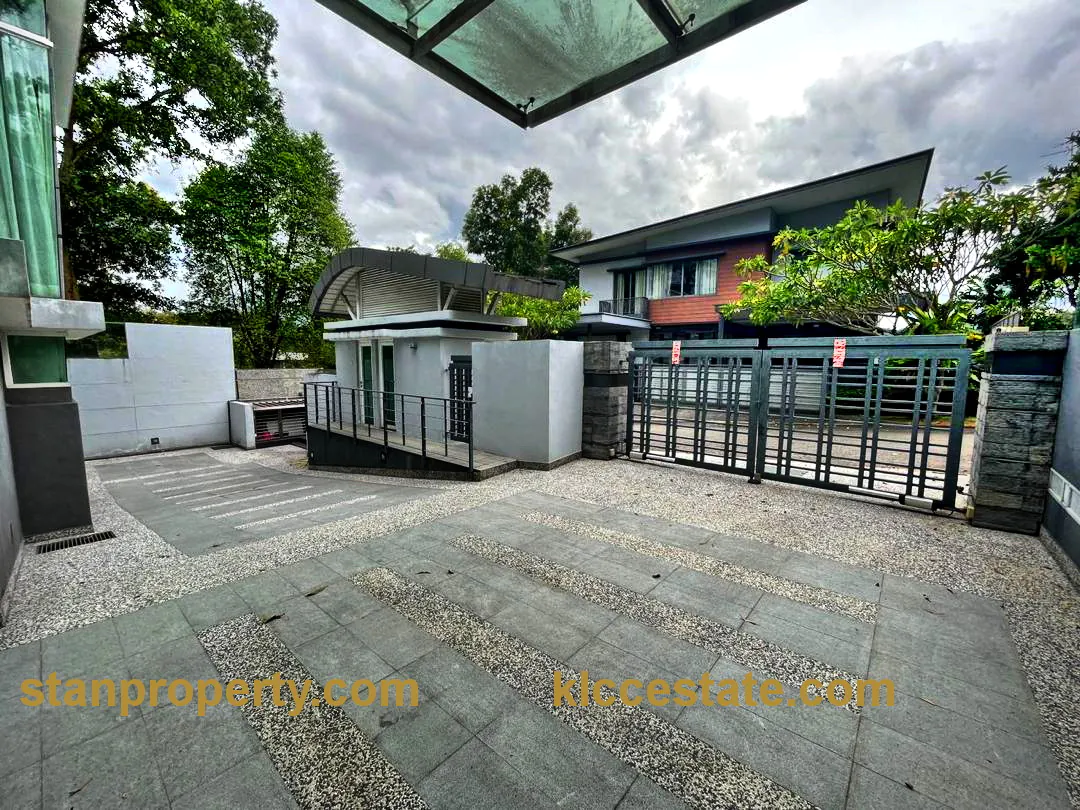
Country Heights Damansara Bungalow
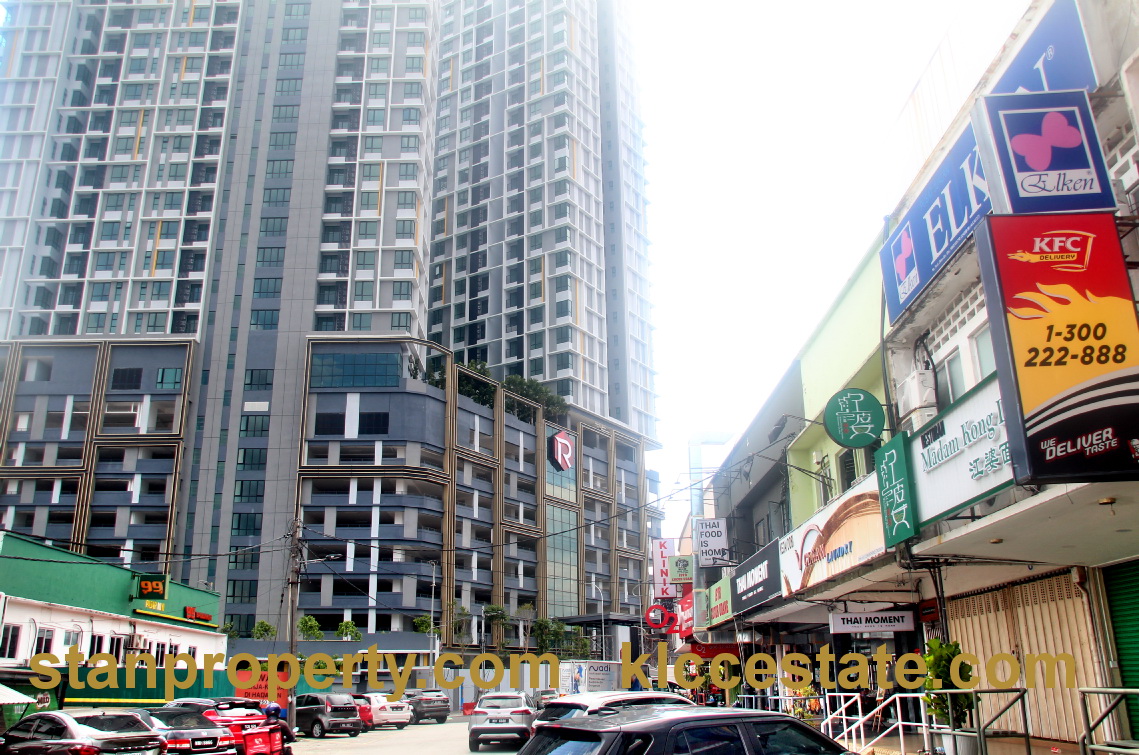
Ruby Seapark For Rent
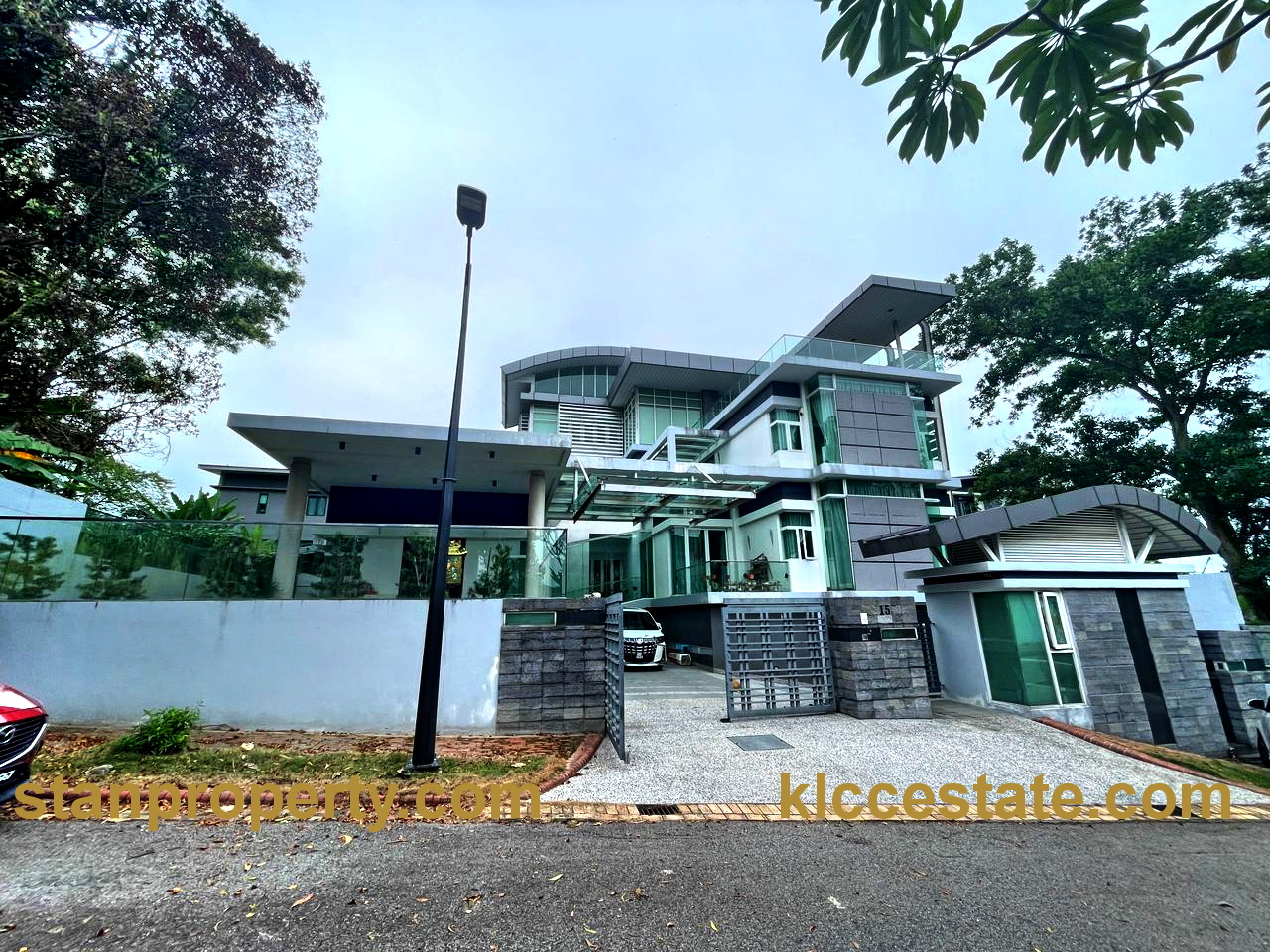
Country Heights Damansara Bungalow
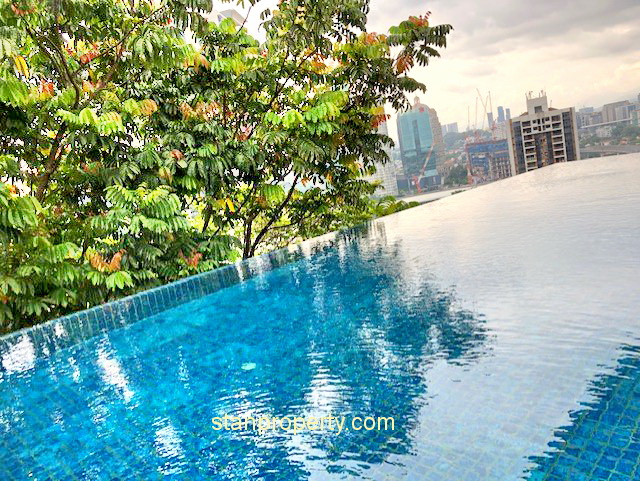
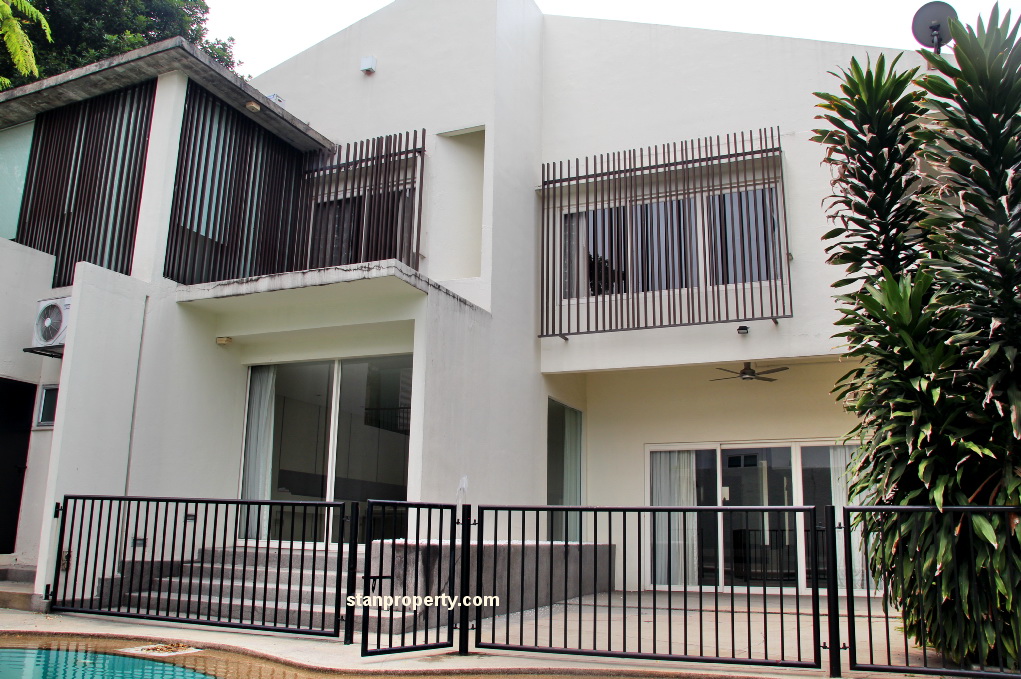
Bangsar Bungalow For Sale
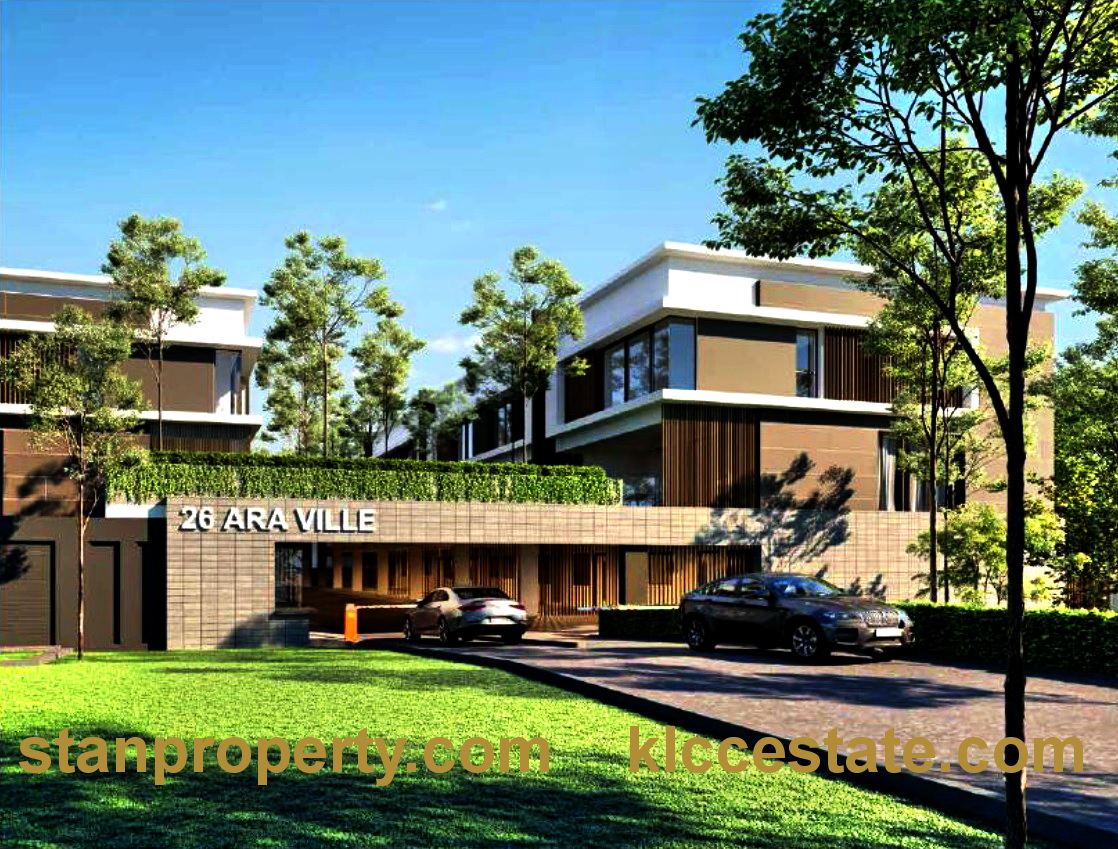
Damansara Heights Bungalow
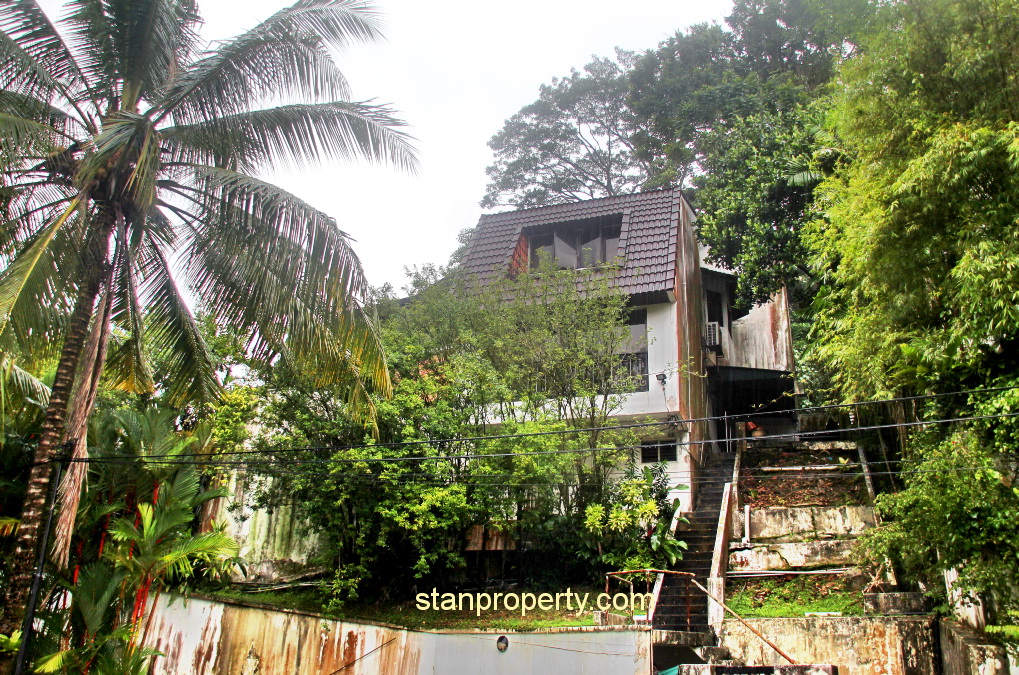
Terrace House
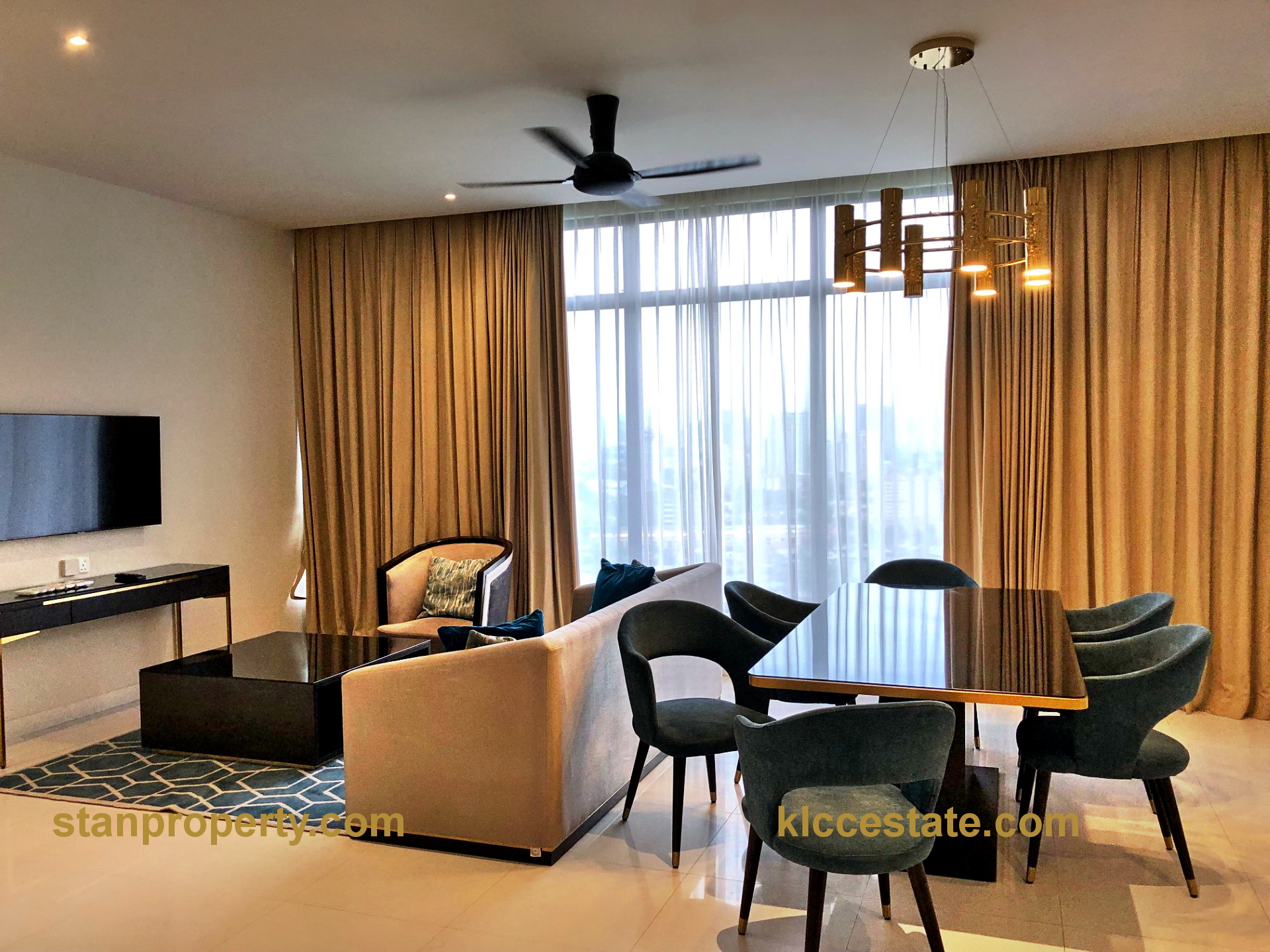
Bukit Tunku Land
Pavilion Embassy Fully Furnished
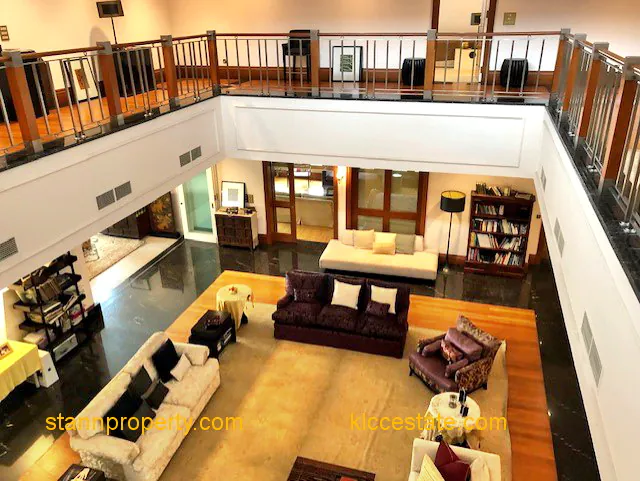
Bangsar Bungalow
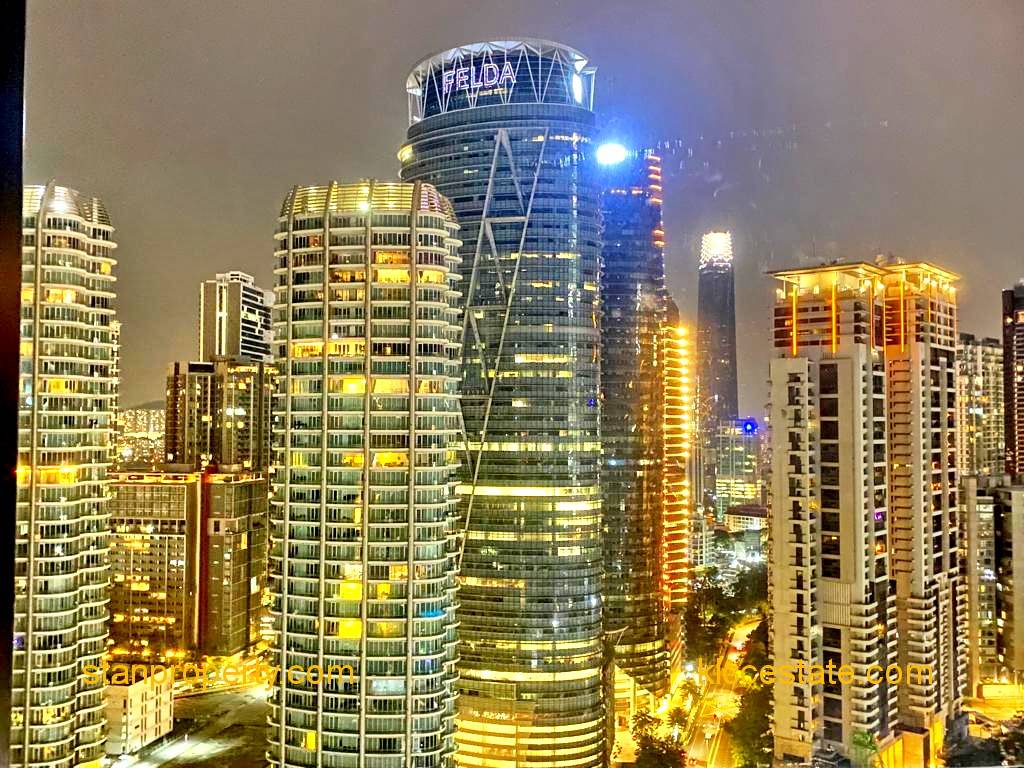
Troika Condo For Sale
Bangsar Bungalow For Sale
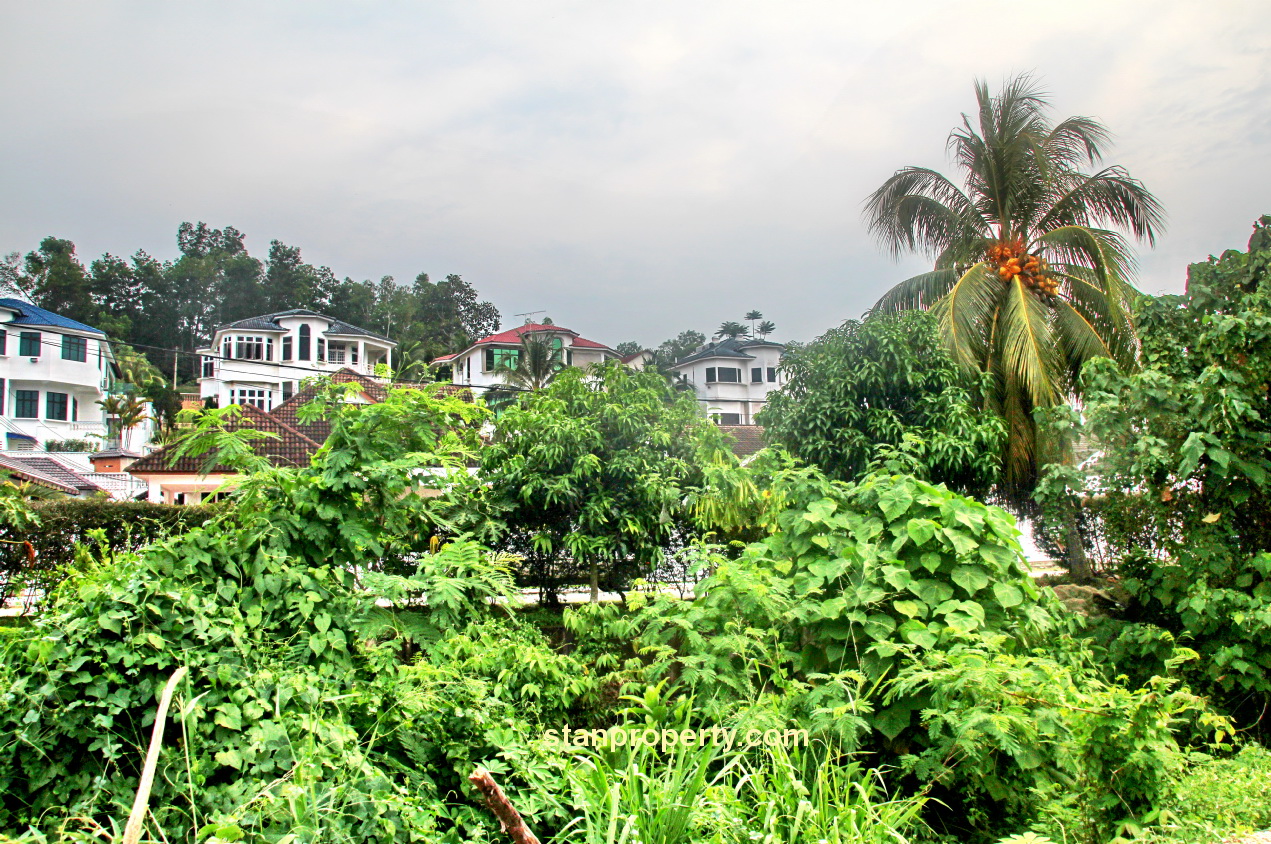
Mentakab Bungalow Land For Sale
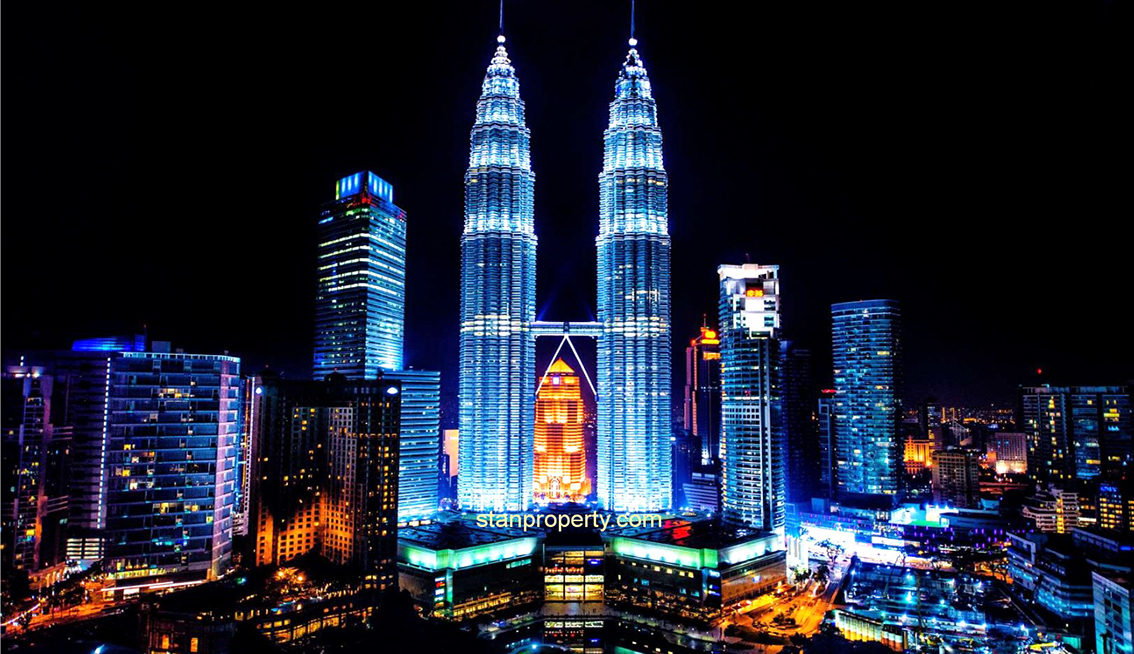
Penthouse
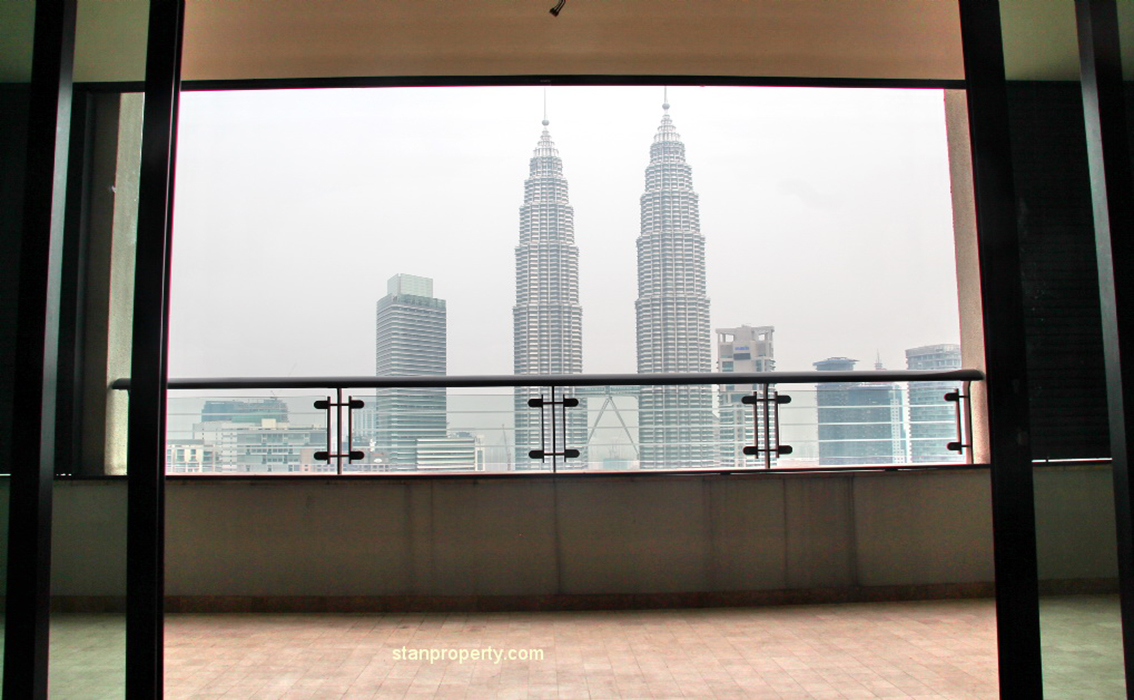
KLCC Penthouse
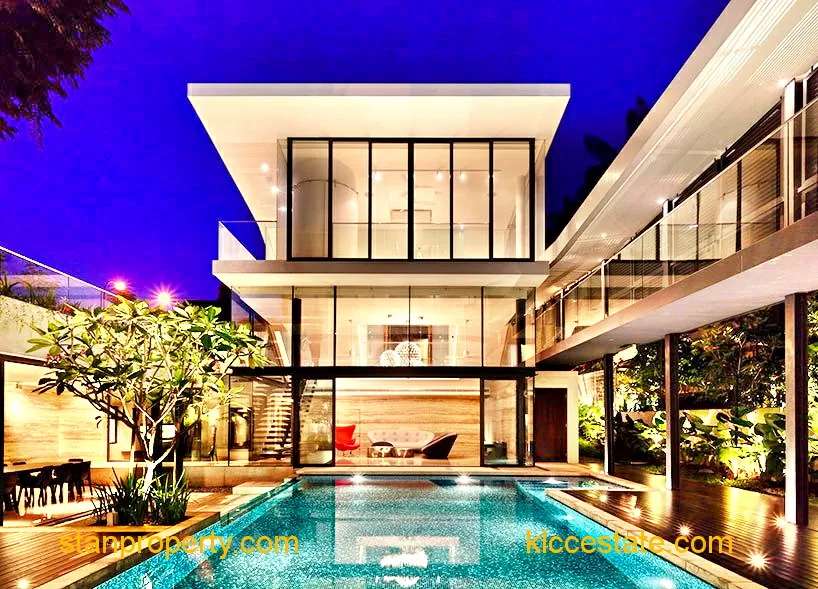
KLCC Bungalow For Sale

















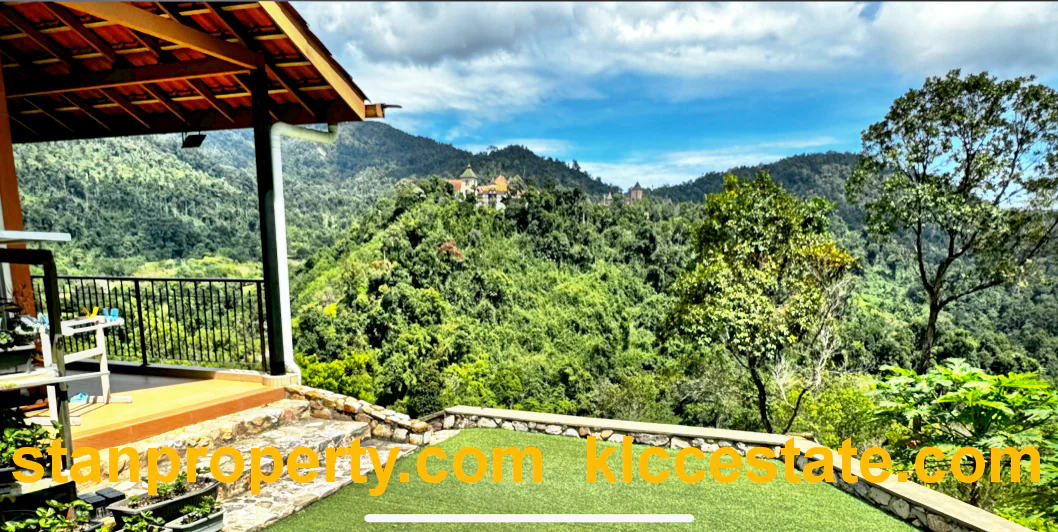
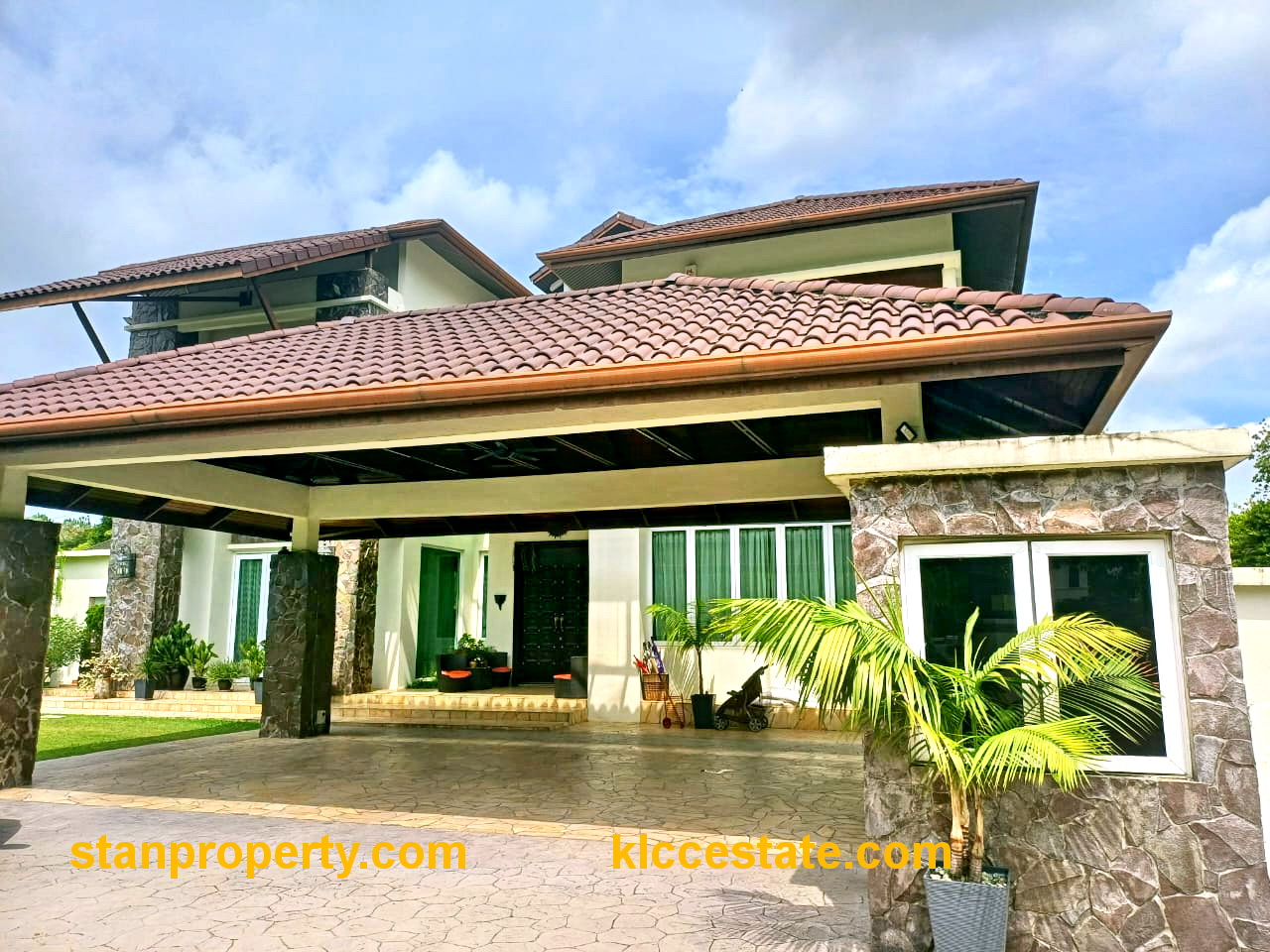

 Photo Gallery
 Video Gallery
 Virtual Tour